Euro hits 17-month low as French debt fears unsettle markets
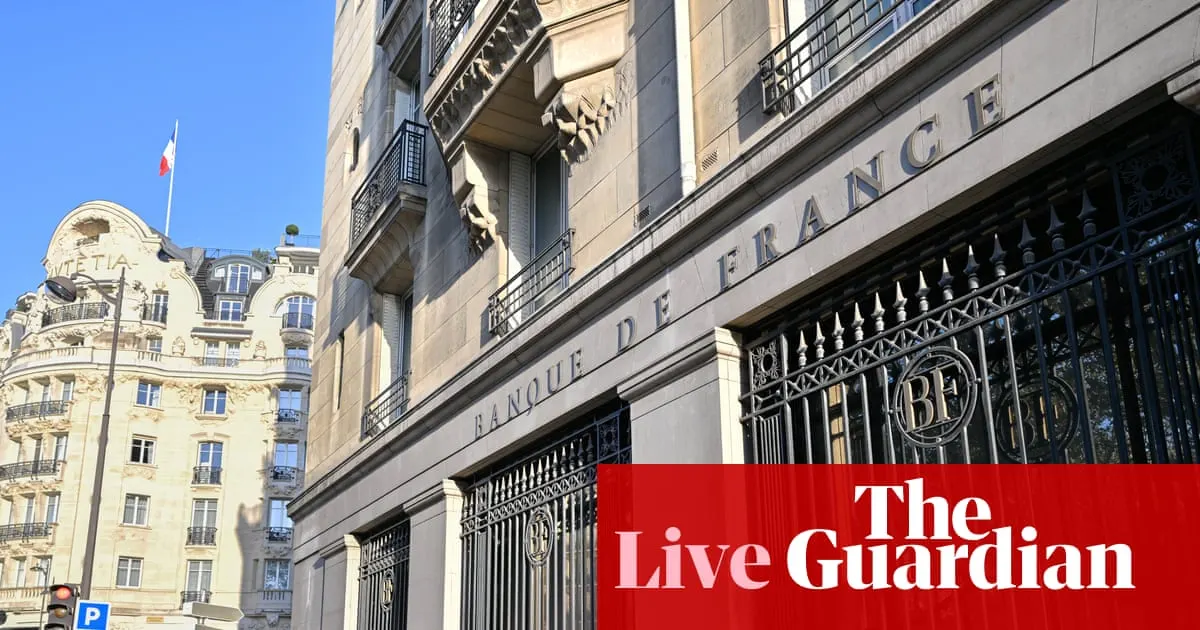
The euro has slipped to a 17-month low against the dollar amid mounting concerns over France's debt crisis and political instability across Europe. The head of France's central bank has warned that the country risks being "strangled by interest rates" if it fails to tackle its deficit, whilst investors worry that French economic difficulties could threaten the stability of the entire eurozone. Though French government officials insist the situation differs from Greece's crisis, the sell-off in French bonds has rattled markets and prompted concerns about contagion risks to other European economies.
France's debt burden has become critical as the government battles to control public finances before next year's presidential election, facing protests from teachers, students, nurses and civil servants over austerity measures. The euro has fallen more than 4% this year to trade at $1.1206, whilst French bond yields soared and spreads against German debt widened before moderating to 136 basis points. Emmanuel Moulin, governor of the Banque de France, warned that without swift action, the country risks being strangled by rising interest rates, though he suggested a concrete budget plan could restore investor confidence. Asian stock markets rose on technology gains and weaker-than-expected US jobs figures, which eased expectations of an imminent Federal Reserve rate hike.
- Euro hits 17-month low as French debt crisis deepens amid political uncertainty.
- French central bank warns of interest rate strangulation if deficit not tackled.
- Asian markets rise on tech stocks and weaker US employment figures.
New here? Start with this
The euro, the currency used by 20 European countries including France and Germany, has fallen to its weakest level in 17 months against the dollar. This decline reflects investor concerns about France's growing debt problems and the political uncertainty affecting European financial markets.
France is struggling with high levels of government debt and facing pressure to reduce public spending. Investors worry that if France cannot control its budget deficit, the cost of borrowing could rise sharply, potentially spreading economic problems to other countries that use the euro.
The concern for financial markets extends beyond France itself to the stability of the entire eurozone. Officials maintain that France's situation differs from previous economic crises, though recent market turbulence has raised questions about the economic resilience of the region as a whole.
Both sides, in good faith
The strongest fair case each way — we don't pick a winner.
The case for
France's debt situation has reached critical levels where market confidence is evaporating, signalling that fiscal consolidation cannot be delayed. The rising bond yields and currency depreciation reflect justified investor concerns that without decisive deficit reduction, interest costs will spiral in a self-reinforcing crisis, potentially destabilising the eurozone as it did in Greece. Swift, credible austerity measures and structural reforms are economically necessary to restore confidence and prevent even more severe adjustments being forced upon France later.
The case against
Whilst debt concerns are legitimate, prioritising austerity risks deepening France's economic stagnation and social hardship without actually solving the underlying problem, since spending cuts reduce growth and tax revenue whilst increasing welfare costs, worsening debt ratios. The government should instead pursue growth-oriented investment and gradual fiscal consolidation as the economy expands, which historical evidence suggests delivers both lower debt and better living standards. A credible growth-focused plan would restore investor confidence more effectively than austerity-driven contraction.
Business Economy Europe Markets World
Read the full article at the source →
Originally published by The Guardian as “Euro dips further as French central bank chief warns the country risks being ‘strangled by interest rates’ – business live”.