British Museum apologises for Bayeux Tapestry queues and rushed visits
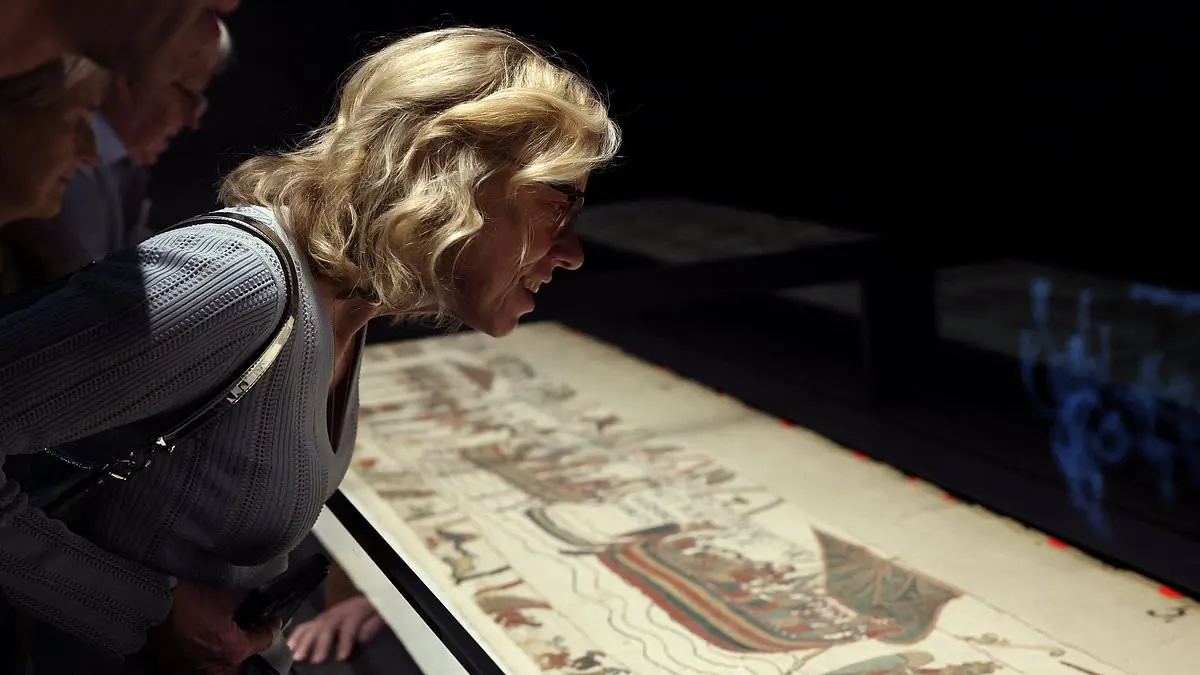
British Museum director Nicholas Cullinan has apologised after visitors reported long queues, being hurried through or turned away from the Bayeux Tapestry exhibition. The complaints have raised concerns about how the museum is managing demand for a rare opportunity to see the nearly 1,000-year-old work in Britain.
The tapestry is on loan from Bayeux, France, for a year, and the exhibition has been open since September. The museum expects its 100,000th visitor soon; it says people are spending longer viewing the 68.3-metre embroidery than the planned 40-minute slots allow. It is extending opening hours, adding seating and clearer signs, and has launched an audio guide after criticism over its absence and accessibility problems. Hundreds of ticket holders were also turned away during an early closure for a private event.
- Museum director apologises over visitor complaints.
- Ticket holders faced queues, rushed visits and denied entry.
- Longer hours, clearer signs and an audio guide are being introduced.
New here? Start with this
The Bayeux Tapestry is a nearly 1,000-year-old embroidered cloth that normally resides in Normandy, France. It depicts the events leading to the Norman Conquest of England in 1066 and is considered one of the most important surviving artefacts from medieval Europe.
The tapestry is currently on loan to the British Museum for a year-long exhibition that opened in September 2026, offering British visitors a rare opportunity to see this famous work. The exceptional public demand to view this significant historical piece has created considerable strain on the museum's visitor facilities and arrangements.
The situation reflects a challenge commonly faced by major cultural institutions: how to manage access to exhibitions of particular historical significance whilst maintaining quality visitor experience. Such tensions often arise when demand to see a rare or seemingly unrepeatable attraction far exceeds what was anticipated.
Both sides, in good faith
The strongest fair case each way — we don't pick a winner.
The case for
The British Museum should have anticipated and prepared adequately for what was always certain to be an exceptionally popular exhibition. Visitors paid for tickets expecting a reasonable experience, not long queues, rushed 40-minute viewings, or being turned away altogether. This represents a significant management failure at a world-leading institution that had months to prepare for a world-famous artefact visiting Britain for the first time in decades.
The case against
Managing demand for such an extraordinary artefact presents unprecedented operational and conservation challenges beyond what reasonable planning can fully overcome. The museum has dual responsibilities to preserve the delicate 68-metre tapestry and serve the public, creating genuine tensions that require difficult compromises. The museum's prompt response—extending hours, improving facilities, adding accessibility features, and apologising publicly—demonstrates serious engagement with legitimate concerns rather than indifference.
Read the full article at the source →
Originally published by Daily Mail as “British Museum boss says ‘sorry’ and vows to learn ‘lessons’ from Bayeux Tapestry visitor issues after complaints about lack of audio guide and overcrowding”.