Emily Lordi’s biography reconsiders Whitney Houston’s life and musical genius
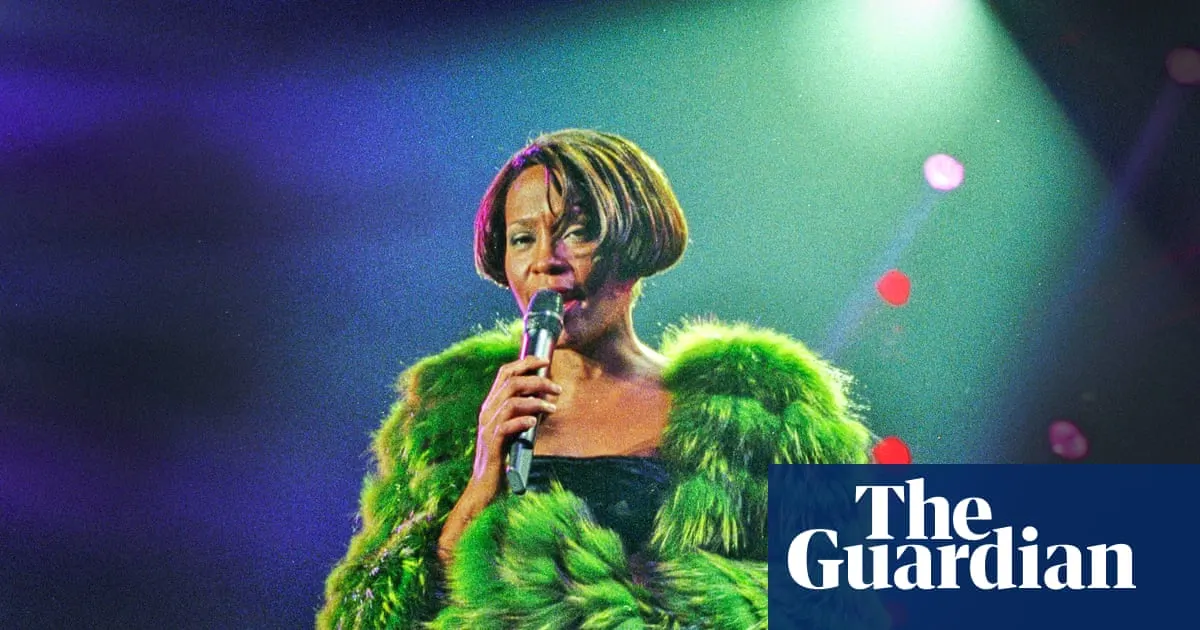
Emily Lordi's new biography "Holding Lightning" offers a radically different take on Whitney Houston's life than previous accounts, rejecting the "cautionary tale" framing that has dominated since her death in 2012. Rather than treating Houston's queerness, drug use and eccentricities as aberrations, Lordi contextualises them within her unique talent and the pressures placed on her to embody black excellence.
The book traces Houston's family history, including her mother Cissy's work with artists like Elvis and Dusty Springfield, and examines formative relationships, particularly her connection with a friend from summer camp. Lordi controversially designates Houston as a musical genius, arguing that her choices in phrasing, tone and inflection were acts of creation comparable to songwriters, and her melismatic style influenced everyone from Ariana Grande to Taylor Swift. Most significantly, Lordi reframes Houston's post-Bodyguard years not as decline but as a period when her "blackest, queerest, most feminist work" emerged, including her mentorship of younger black talent.
- New Houston biography rejects cautionary tale narrative, contextualising her queerness and drug use.
- Lordi argues Houston was a musical genius whose vocal innovations influenced modern artists.
- Book portrays her later career as a period of groundbreaking black feminist artistic expression.
New here? Start with this
Whitney Houston was one of the world's biggest recording artists, known for her powerful voice and hit songs including The Bodyguard soundtrack. She died in 2012, and accounts of her life since have typically focused on her personal struggles and regarded her final years as a decline.
A new biography by scholar Emily Lordi offers a different perspective, arguing that Houston's personal circumstances and distinctive vocal style were inseparable from her creative genius. Rather than treating these aspects as detrimental to her work, Lordi contextualises them within the immense expectations placed on her as a black artist to embody perfection.
Lordi contends that Houston's vocal techniques—her distinctive use of phrasing and inflection—amounted to genuine musical genius that influenced countless contemporary artists from Ariana Grande to Taylor Swift. She further argues that Houston's post-Bodyguard work should not be seen as decline but as a period when Houston produced some of her most politically powerful and artistically experimental music.
Both sides, in good faith
The strongest fair case each way — we don't pick a winner.
The case for
Lordi's recontextualisation centres Houston's extraordinary artistry and cultural influence, treating her as an active creative force rather than primarily through a lens of personal struggle. By understanding her complexity—her queerness, artistic innovation, and later creative work—as integral to her genius, this approach offers a more dignified and complete account that recognises her agency and vision. Previous interpretations may have underestimated the artistic intention and cultural significance of her work across her entire career.
The case against
Whilst Houston's artistic genius is unquestionable, the documented struggles with substance abuse and declining health that characterised her later years were genuine hardships, not merely narrative frames to be reinterpreted. A complete understanding of her life can simultaneously honour her extraordinary talent and acknowledge her real suffering without collapsing the distinction between them. Reframing documented difficulties as simply artistic evolution risks minimising the material toll and genuine tragedy that these struggles represented in her lived experience.
Read the full article at the source →
Originally published by The Guardian as “Holding Lightning by Emily Lordi review – an intimate portrait of Whitney Houston”.