Oscar-nominated composer George Fenton dies unexpectedly at 76
Developed over time first seen 13 hours ago
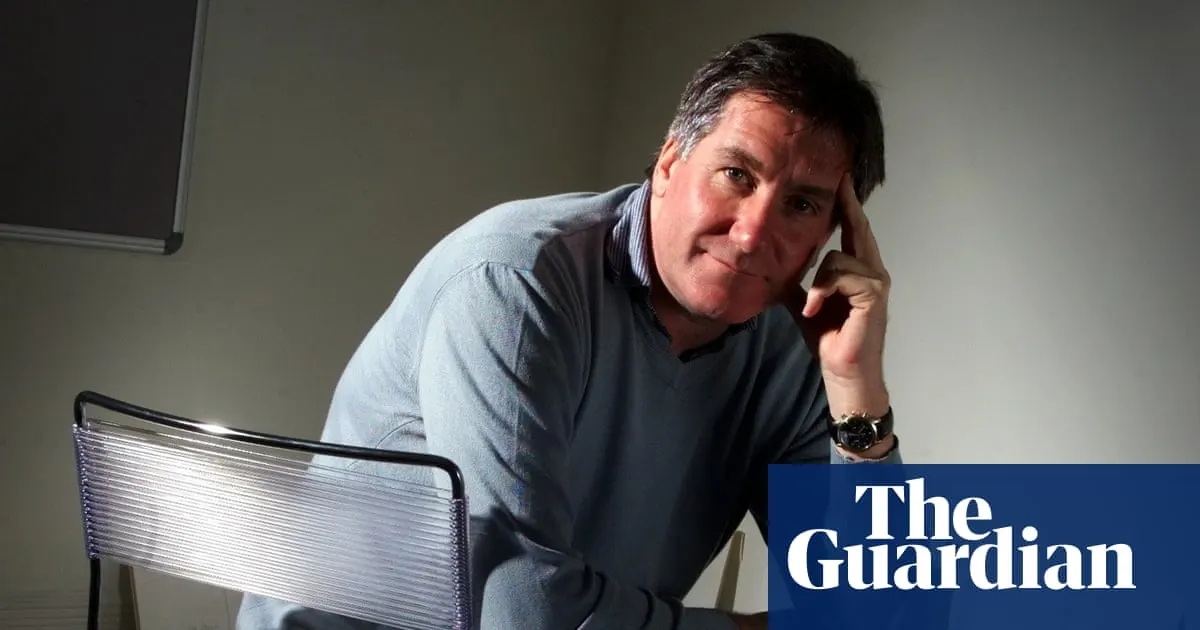
George Fenton, the British composer who earned five Oscar nominations for film scores including Gandhi, Dangerous Liaisons and Cry Freedom, has died unexpectedly at the age of 76. His death, announced by his family, came without a stated cause. Over a career spanning decades, Fenton composed music for more than 100 feature films and became known for sustained creative partnerships with some of cinema's most significant directors.
Fenton's work extended far beyond Hollywood, encompassing television documentaries including Blue Planet, Planet Earth and Frozen Planet, BBC news themes, theatre productions and more. He collaborated repeatedly with directors including Ken Loach (scoring 18 of his films, including the Palme d'Or winner The Wind That Shakes the Barley), Stephen Frears, Richard Attenborough, Nora Ephron, Nicholas Hytner and Neil Jordan. Born George Howe in Bromley, Kent in 1949, Fenton initially pursued acting and stage work before turning to composition in the mid-1970s, beginning with the Royal Shakespeare Company.
- Oscar-nominated British composer George Fenton dies unexpectedly at 76
- Scored more than 100 films including Gandhi and Dangerous Liaisons
- Also composed for landmark nature documentaries and BBC television
New here? Start with this
George Fenton was a British composer whose work shaped cinema and television for more than four decades. His scores accompanied celebrated films including Gandhi and Groundhog Day, as well as numerous dramas by filmmakers such as Ken Loach.
His influence extended far beyond film. Fenton composed music for several BBC nature documentaries that reached audiences worldwide, including The Blue Planet, Planet Earth and Frozen Planet. He also created scores for television news and theatre productions throughout his long career.
His work earned industry recognition with five Oscar nominations, including for films such as Gandhi, Dangerous Liaisons and Cry Freedom. Over his career, he created music for more than 100 films, television programmes and theatre productions.
Full account
George Fenton, a prolific British composer whose orchestral work permeated British cinema, television and theatre for over four decades, died unexpectedly at the age of 76. The death was announced on 5 October by his family, who did not disclose a cause. Fenton's five Oscar nominations spanned films including Gandhi, Cry Freedom, Dangerous Liaisons and The Fisher King, but his influence extended far beyond awards recognition into the cultural consciousness of millions through television themes, documentaries and theatrical scores.
Born George Howe in Bromley, southeast England in 1949, Fenton grew up in a household saturated with music. His father, a mechanical engineer, played drums whilst his mother, formerly a dancer before a nursing career during wartime, performed on piano. Fenton took up electric guitar in childhood and studied organ, initially pursuing stage performance as his career path. In 1968, he appeared in Alan Bennett's inaugural West End production, Forty Years On, adopting his professional name at this juncture. A recurring television role in Emmerdale Farm and a minor chart success in Sweden with a Maxwell's Silver Hammer cover followed during the mid-1970s, yet composition would ultimately become his life's work.
The transition to professional composition began in 1974 when Fenton was commissioned to score the Royal Shakespeare Company's production of Twelfth Night. He expanded into television two years later and embarked on an 11-production partnership with director Stephen Frears commencing in 1978, which included the feature films Dangerous Liaisons, Hero, Mary Reilly and Mrs Henderson Presents. His collaborations with Sir Richard Attenborough brought his greatest critical acclaim. Beginning with Gandhi in 1983—earning an Oscar nomination shared with Ravi Shankar—Fenton went on to score Cry Freedom (earning two nominations, shared with Jonas Gwangwa), Shadowlands, In Love and War and Grey Owl. The Cry Freedom title song performance at the Academy Awards proved particularly demanding; Fenton later reflected that he was 'virtually rigid with fear' whilst singing lyrics containing names of ANC leaders to a global audience of over one billion.
Beyond his work with Attenborough, Fenton demonstrated remarkable versatility across genres and formats. He contributed scores to nearly every feature film directed by Ken Loach, including I, Daniel Blake, Sorry We Missed You and Land and Freedom. His filmography encompassed comedies such as Groundhog Day and psychological dramas, whilst his collaboration with David Attenborough on the landmark natural history documentary The Blue Planet resulted in Bafta, Primetime Emmy and Ivor Novello awards. He also worked on the recent Bergerac reboot. Across his career, Fenton accumulated over 160 film and television credits, maintaining long-standing partnerships with directors including Nora Ephron, Nicholas Hytner and Neil Jordan. His BBC television news themes became immediately recognisable to generations of British viewers. Following his death, director Nicholas Hytner paid tribute via BBC Radio, describing Fenton as 'an astonishing musician' whose stylistic breadth was matched by an equal talent for friendship, noting that much of his music had 'absolutely lodged itself in the public consciousness' and declaring him 'irreplaceable.'
Fenton is survived by his wife Amanda, his former wife Jane, and three children—Gemma, Grace and Bridget—as well as six grandchildren: Lola, Audrey, Alfred, George, Frank and Beatrice.
Where outlets differ
Source 1 does not mention The Fisher King as an Oscar-nominated film, whilst Source 2 explicitly lists it as the fourth of his five nominations
Source 1 emphasises Fenton's early entertainment career (acting and recording artist), whereas Source 2 concentrates primarily on his established film work
Source 1 includes Fenton's own vivid account of his emotional experience performing Cry Freedom at the Academy Awards ceremony; Source 2 omits this personal reflection
Source 1 references his work for David Attenborough's documentaries but the text is incomplete; Source 2 specifically details The Blue Planet's awards haul (Bafta, Primetime Emmy, Ivor Novello)
Source 1 quantifies his work as 'over 100 feature films' whilst Source 2 states 'more than 160 film and TV credits,' a significant difference reflecting distinct categorisation
Source 1 refers vaguely to 'various family members' whilst Source 2 provides comprehensive details including wife Amanda, ex-wife Jane, and all six grandchildren named individually
Source 2 features a substantial tribute from director Nicholas Hytner via BBC Radio, which does not appear in Source 1
Source 2 specifies his first film composer credit as Private Road in 1971; Source 1 does not supply this information
More coverage
Read the full article at the source →
Originally published by The Guardian as “George Fenton, Oscar-nominated British composer for more than 100 films, dies aged 76”.