Healey meets bank chiefs as Budget tax rises face scrutiny
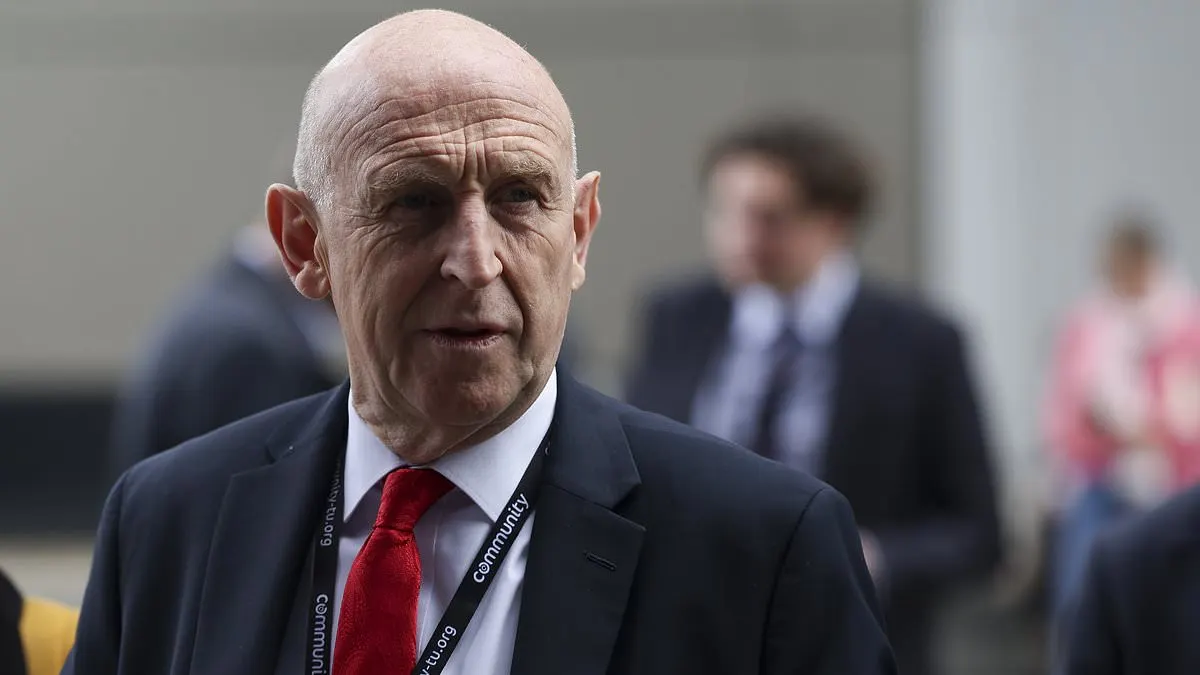
Chancellor John Healey held talks with banking sector leaders today amid speculation that October's Budget could include a tax raid on the sector to raise additional revenue. The government needs to raise approximately £5 billion for its Defence Investment Plan, whilst its fiscal headroom has halved to around £12 billion due to international tensions and rising public borrowing costs. The meeting comes as trade unions press for substantially higher taxes on banks to fund energy bill support this winter.
Bank leaders from major institutions warned that further tax increases could damage the UK's competitiveness and drive investment abroad. Tax receipts from the banking sector rose 8.5 per cent to £39.1 billion in 2025-26, with surcharge revenues jumping by a fifth. The Trades Union Congress is pushing for the 3 per cent profits surcharge to rise to 8 per cent, which it says could raise £9 billion over four years, though government officials have not confirmed any proposals ahead of the 28 October Budget.
- Chancellor meets bank bosses amid fears of October tax raid.
- Banking sector warns of investment exodus if taxes increased further.
- Government seeks £5 billion for defence spending as revenues tighten.
New here? Start with this
The UK government is preparing its October Budget but faces limited financial flexibility due to international tensions and rising borrowing costs. It needs approximately £5 billion for its Defence Investment Plan, which means it is looking for ways to raise revenue from various sectors, including the financial industry. The banking sector is therefore likely to be closely scrutinised in the coming weeks.
Banks in the UK currently pay corporation tax alongside a profits surcharge, generating £39.1 billion in tax revenue for the government in 2025-26. Trade unions and some politicians have suggested that the profits surcharge, currently set at 3 per cent, could be increased significantly to help fund other government priorities such as energy bill support. The banking industry has warned that major tax increases could reduce the UK's attractiveness as a financial centre and encourage investment to move abroad.
This tension between the government's need for revenue and concerns about economic competitiveness is a longstanding policy challenge in British politics. How the government chooses to address these competing pressures will shape the Budget announcement later this month and beyond.
Both sides, in good faith
The strongest fair case each way — we don't pick a winner.
The case for
The government faces significant fiscal pressures, with defence requirements and halved fiscal headroom demanding additional revenue. Banks remain highly profitable, with tax receipts rising substantially and the surcharge already jumping by a fifth, demonstrating genuine capacity to contribute further. Progressive taxation principles suggest those with greater ability to pay should shoulder additional burdens during periods of public need, and the TUC's concrete proposal to raise the surcharge from 3 to 8 per cent could raise approximately £9 billion over four years for vital public services without creating unreasonable hardship.
The case against
The UK must preserve its standing as a competitive international financial centre, and further tax increases risk encouraging banking operations and investment to relocate overseas, ultimately damaging the broader economy and employment. Banks already face substantially increased levies, with surcharge revenues rising by a fifth, demonstrating significant recent contribution increases. Higher taxation may reduce banks' capacity to extend credit to businesses and households, potentially constraining economic growth and recovery. The sector's competitiveness concerns reflect genuine pressures from rival financial centres with lower tax burdens, making additional incremental rises particularly risky to the UK's long-term economic position.
Business Government Markets Politics World
Read the full article at the source →
Originally published by Daily Mail as “Chancellor holds showdown talks with banks amid fears of Budget tax raid to help fill black hole in nation’s finances”.