Liam Gallagher claims Oasis “put The Beatles back on the map” in rant at Liverpool FC fans
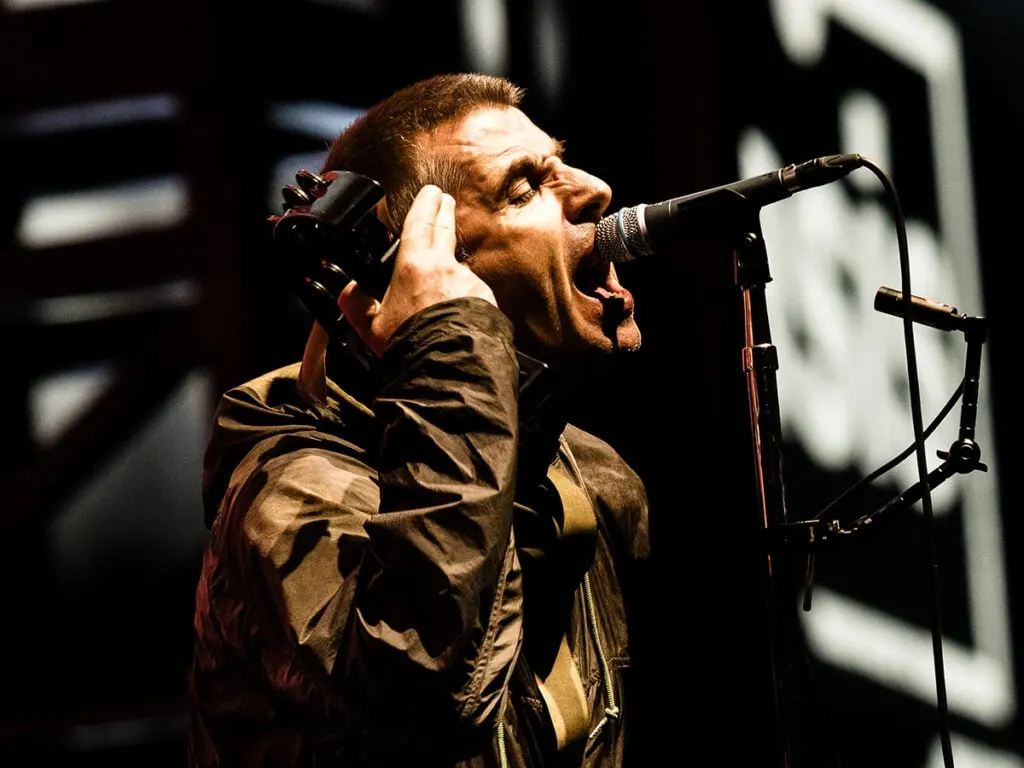
Liam Gallagher has angered Liverpool supporters by claiming Oasis did more for Liverpool than they had, including “put[ting] the Beatles back on the map”. The post came amid his online defence of Manchester City following the Premier League’s finding that the club breached financial rules over nine seasons, a period in which Liverpool missed out on titles.
The Beatles had remained popular in Liverpool long before Oasis emerged: the city’s International Beatles Week began in 1977, and The Beatles Story museum opened in 1990. Noel Gallagher later regretted saying Oasis were bigger than the Beatles, while George Harrison criticised the band in 1996. Liverpool are due to host Manchester City on 11 October; Oasis are also scheduled to play 11 sold-out shows at City’s Etihad Stadium next June.
- Liam Gallagher says Oasis helped revive interest in the Beatles.
- The claim has provoked Liverpool supporters.
- His remarks come amid a dispute over Manchester City’s financial breaches.
New here? Start with this
Manchester City have been found to have breached Premier League financial rules over nine seasons, the same period when Liverpool missed out on winning the league title. The findings have created considerable tension between the clubs' supporters online.
The Beatles emerged from Liverpool in the 1960s and became one of the world's most culturally significant musical acts. The city remains closely associated with the band's legacy, and The Beatles are central to Liverpool's global identity and cultural pride. The band had remained culturally significant in Liverpool long before Oasis emerged as a band in the 1990s.
Oasis was a hugely successful British rock band of the 1990s fronted by brothers Liam and Noel Gallagher. The band became known for bold claims about their importance and significance in music history. Noel Gallagher later expressed regret about the band's statements comparing themselves to other major musical acts.