British whistleblower linked Lutnick to Epstein before dying in Thailand
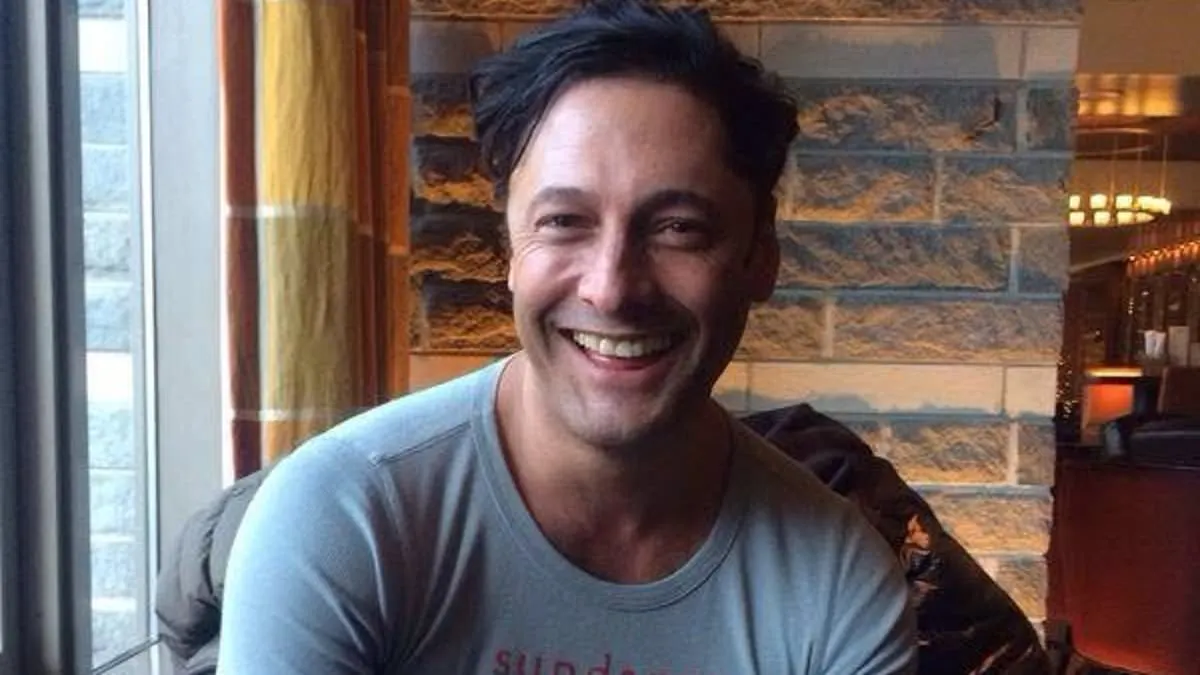
Simon Andriesz, a 57-year-old British banker, was found dead from hanging in Thailand on 23 September. The whistleblower had revealed emails suggesting that US Commerce Secretary Howard Lutnick had undisclosed business dealings with deceased financier Jeffrey Epstein, drawing attention to accountability in high-level politics. His death highlights the personal toll of whistleblowing and underscores the need for stronger protections for those who speak out.
Andriesz, who previously worked at BGC Group where Lutnick was chief executive, uncovered 2018 emails discussing a business venture between the two men and shared his findings with the US House Oversight Committee. Lutnick stated he only learned this year that Epstein had been an investor, with the US Commerce Department saying no evidence of wrongdoing was found. Andriesz's family emphasised his moral courage and noted the considerable toll his whistleblowing took on his career and personal relationships, whilst a friend has established a fundraising campaign targeting £35,000 for his son's education and welfare.
- British whistleblower found dead in Thailand after exposing Commerce Secretary's Epstein links.
- Andriesz uncovered 2018 emails between Howard Lutnick and deceased financier Jeffrey Epstein.
- His death highlights the personal cost of whistleblowing and need for better protections.
New here? Start with this
Simon Andriesz was a British banker who uncovered emails suggesting that Howard Lutnick, now US Commerce Secretary, had business dealings with Jeffrey Epstein, the financier who died in jail whilst facing sex trafficking charges. Andriesz had previously worked at BGC Group, where Lutnick was chief executive.
The emails, dated 2018, appeared to discuss a business venture between Lutnick and Epstein. Andriesz shared these findings with the US House Oversight Committee. Lutnick has stated he was unaware of Epstein's involvement until recently, and the Commerce Department has said it found no evidence of wrongdoing.
This case relates to broader questions about whistleblower protections and accountability. When people expose information about powerful figures, they often face personal and professional costs. The story raises questions about how institutions respond to such revelations and how whistleblowers are supported.
Both sides, in good faith
The strongest fair case each way — we don't pick a winner.
The case for
Supporters of transparency argue that senior government officials must disclose all substantial financial relationships, particularly with controversial figures like Epstein. The undisclosed business dealings exposed by Andriesz represent precisely the kind of opacity that undermines democratic accountability. His willingness to come forward despite significant personal and professional costs exemplifies why robust whistleblower protections are vital to exposing connections that the public has a right to know about.
The case against
Those sceptical of this narrative contend that business dealings with someone before their crimes became public should not constitute misconduct. Lutnick's account that he was unaware of Epstein's involvement appears credible, particularly given Epstein's documented ability to conceal his activities from associates. With the Commerce Department's investigation finding no wrongdoing, this appears to be a case of posthumous association being weaponised against a government official rather than genuine evidence of corruption warranting such public exposure.
Read the full article at the source →
Originally published by Daily Mail as “British whistleblower, 57, who revealed Trump official Howard Lutnick’s links to Jeffrey Epstein was found hanged in Thailand – as family pay tribute to his ‘courage’”.