Safari aircraft diverts after zebra strike damages landing gear in Tanzania
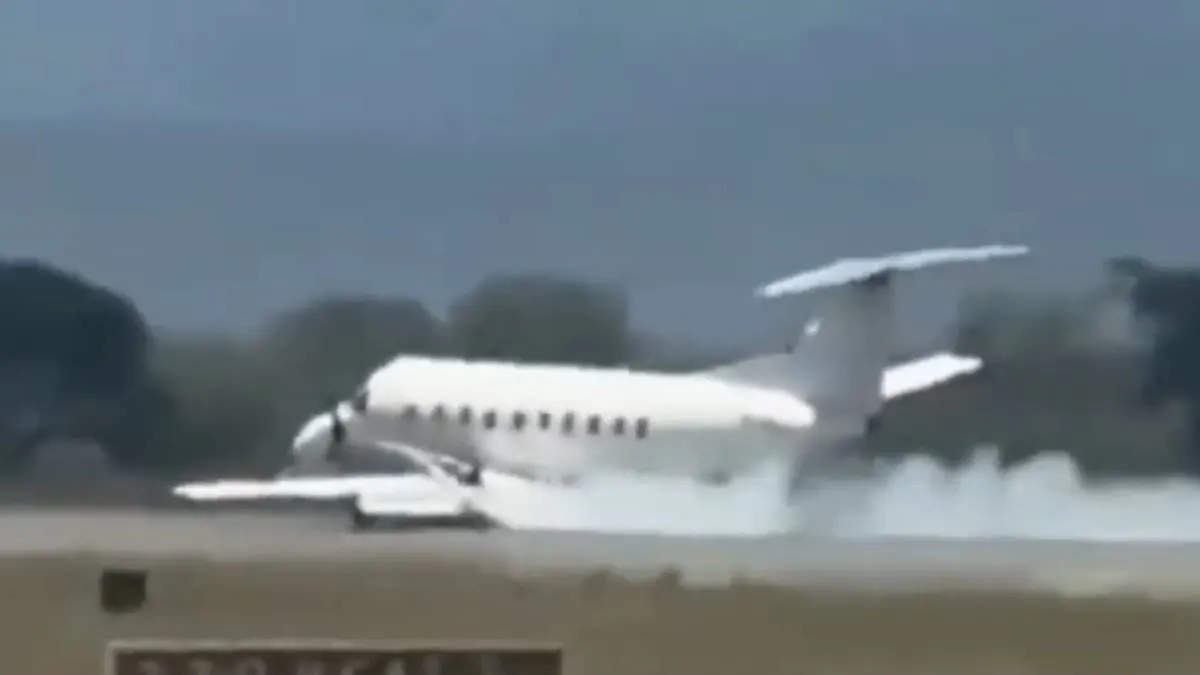
A safari aircraft carrying tourists struck and killed a zebra while taking off from Seronera airstrip in Tanzania’s Serengeti National Park. Damage to its landing gear forced the pilot to divert from the planned flight to Zanzibar and make an emergency landing, highlighting the risks wildlife can pose around airstrips.
The Embraer EMB-120, operated by Sindbard Air, landed at Kilimanjaro International Airport, about 270 miles east of the park, around midday on Sunday. All 26 passengers and four crew members got off safely, with no injuries reported; the airport was shut while emergency crews responded. The Serengeti attracts around 500,000 tourists each year, and Seronera is the park’s busiest airstrip.
- A safari plane struck a zebra during take-off in the Serengeti.
- Landing gear damage forced a diversion to Kilimanjaro airport.
- All 30 people on board disembarked safely, with no injuries reported.
New here? Start with this
The Serengeti National Park in Tanzania is one of Africa's most famous wildlife reserves, attracting around 500,000 tourists annually. Visitors fly to the park on small aircraft that land at airstrips within and near the reserve, with Seronera being the busiest of these landing sites. The park is home to large populations of wildlife including zebras that roam freely across the grasslands.
Small aircraft regularly operate around safari parks, landing at airstrips to transport tourists to viewing areas. These airstrips sit within wildlife habitat where large animals such as zebras may wander onto or cross runways. Wildlife on runways during aircraft operations creates a potential hazard for both aircraft and animals.
Both sides, in good faith
The strongest fair case each way — we don't pick a winner.
The case for
Aviation safety around active infrastructure serving significant populations must be paramount. With 500,000 tourists annually transiting Seronera, each incident underscores real risks that could prove fatal; protecting both human and animal welfare requires practical measures. Wildlife management practices like seasonal habitat adjustments or improved barriers—used globally at busy airfields—needn't compromise the park's ecological mission. Such investments actually support long-term conservation by maintaining the tourism economy that funds wildlife protection.
The case against
The Serengeti's defining purpose is ecological integrity and natural processes. A single incident across hundreds of thousands of operations represents statistically negligible risk insufficient to justify interventions compromising a protected area's core principles. Wildlife inhabitants have inherent rights within their habitat; systematic removal contradicts conservation ethics and may trigger unforeseen ecological consequences. The appropriate response lies in refined operational procedures and pilot training rather than fundamentally altering the natural environment.
Read the full article at the source →
Originally published by Daily Mail as “Safari plane packed with tourists makes emergency landing after hitting a ZEBRA during take-off in Tanzania”.