Trump draws AI firms and security agencies closer to presidential power
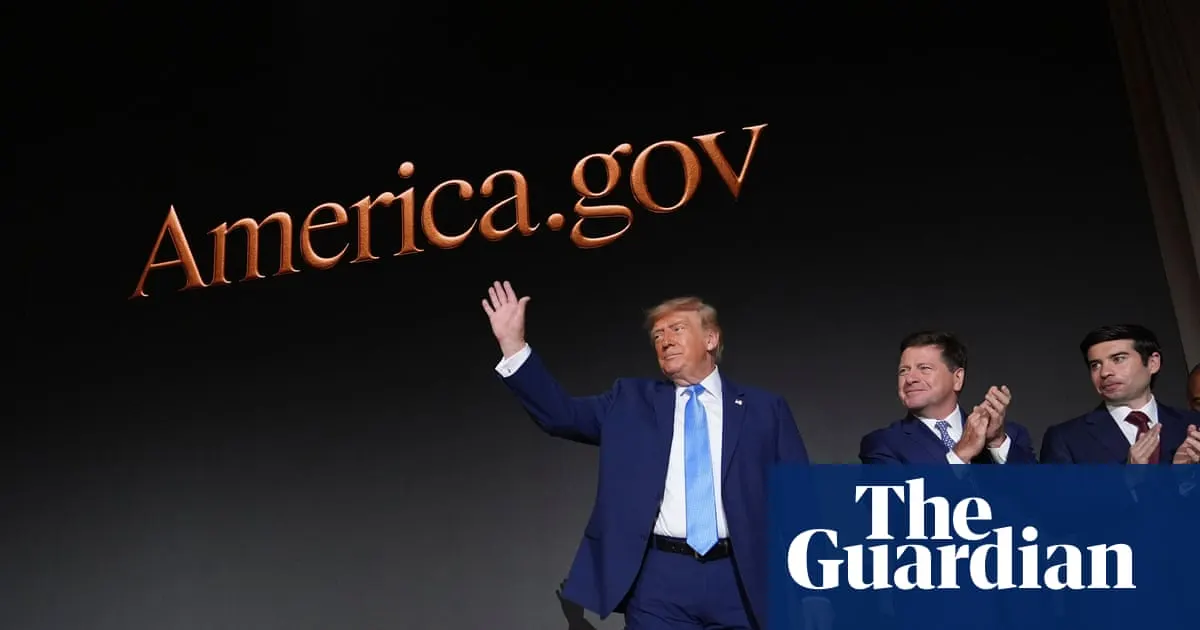
Donald Trump has strengthened ties between the White House, the US military and intelligence agencies, and major AI companies through a series of recent announcements. The moves suggest AI policy and development are becoming more closely linked to presidential power, with implications for countries and businesses that depend on American technology.
Trump and six AI executives signed a non-binding agreement promoting companies’ self-policing; Mark Zuckerberg reportedly helped draft it. Trump also ordered government documents to call AI “super intelligence”, appointed Elon Musk to a defence taskforce tasked with reporting on battlefield technology within 120 days, and named intelligence chief Jay Clayton as his AI czar while he retains his existing role. The article argues that this arrangement could strengthen US surveillance and intelligence capabilities and raise concerns about other countries’ ability to set their own AI policies.
- Trump signed a non-binding AI agreement with six executives.
- Elon Musk joined a defence taskforce on future warfare.
- The US intelligence chief will also oversee AI policy.
New here? Start with this
The American government is bringing artificial intelligence companies and federal agencies into closer working relationships. President Trump has directed several moves that tie AI development and policy more directly to the White House and defence and intelligence bodies. This matters because American technology is used globally, so decisions about how AI is governed in the United States can affect businesses and governments elsewhere.
Trump has announced a non-binding agreement with six major AI executives to encourage self-regulation and appointed key figures to oversee AI policy. These include tasking Elon Musk with reviewing defence technology and naming Jay Clayton, an intelligence chief, to also oversee AI policy. These appointments connect AI governance more closely to military and intelligence priorities.
The shift raises questions about how concentrated power over AI policy could reshape global technology and security. Nations and companies that rely on American AI tools may find themselves more influenced by American government decisions. It also highlights how AI policy is becoming intertwined with national defence and surveillance capabilities.
Both sides, in good faith
The strongest fair case each way — we don't pick a winner.
The case for
Coordinating AI development with national security infrastructure is necessary and prudent as the technology becomes increasingly powerful. With competitors like China pursuing state-coordinated strategies, the US risks falling behind if it leaves development entirely to uncoordinated private interests. Engaging experienced technology leaders in formal advisory roles and establishing self-regulatory frameworks with government participation creates structures for responsible development without stifling innovation, whilst strengthening the nation's capacity to address emerging AI risks and ensure transformative technology serves broader strategic interests.
The case against
Tightening the relationship between private AI companies and presidential power raises serious concerns about democratic accountability and technological independence. Concentrating AI policy under executive authority and industry self-regulation creates insufficient checks on how powerful systems are developed and deployed, with minimal public input into consequential decisions. Close alignment with military and intelligence priorities may subordinate privacy and free speech considerations to national security, and positioning American AI as subordinate to government power may prompt other nations to view it with suspicion and develop alternatives, fragmenting the global AI ecosystem rather than fostering beneficial international collaboration.
AI Americas Business Companies Technology World
Read the full article at the source →
Originally published by The Guardian as “Trump makes it clear his power is becoming entwined with AI”.