Surge protectors can lose protection without showing visible damage
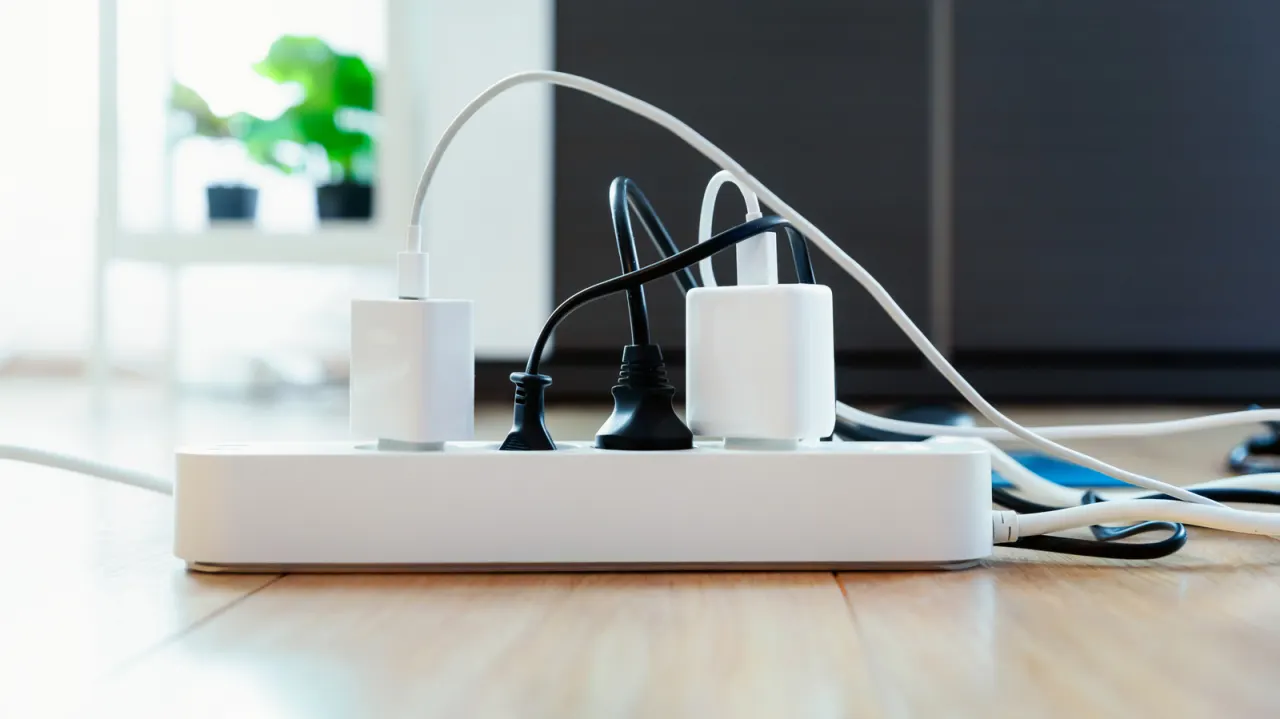
Surge protectors contain components called metal-oxide varistors (MOVs) that degrade over time and with electrical surges, yet often show no visible signs of failure. This is important because a failed surge protector can continue powering devices whilst providing no actual protection, leaving expensive equipment vulnerable.
To determine if a surge protector has failed, look for a "Protected" or "Protection Present" indicator light on the unit and consult the manufacturer's instructions to understand what the light means. Manufacturers typically recommend replacing surge protectors every three to five years, though this varies by design and usage, and immediate replacement is necessary if the device shows obvious damage such as smoking, scorch marks or melting plastic. Users should avoid plugging high-load appliances like space heaters into surge protectors, as this can cause premature degradation, and should note that no standard surge protector can withstand a direct lightning strike.
- Surge protector components degrade invisibly over time, often with no warning signs
- Check protection indicator lights and replace every three to five years
- Look for scorch marks, melting or smoking as signs to replace immediately
New here? Start with this
Surge protectors are devices that sit between electrical outlets and your equipment to shield them from sudden power spikes. They contain special components called metal-oxide varistors that absorb dangerous electrical surges and prevent them from reaching your devices like computers, televisions and other electronics.
The problem is that these components degrade over time through normal use and exposure to electrical surges, yet often show no visible signs of failure. This means a surge protector can appear to be working fine whilst actually offering no protection at all, leaving your expensive devices vulnerable to electrical damage.
Manufacturers recommend replacing surge protectors every three to five years, and some units have indicator lights that show whether protection is still active. If you notice obvious damage such as scorch marks, melting plastic or smoking, replace the device immediately, and avoid plugging high-power appliances like space heaters into surge protectors, as this speeds up their degradation.
Read the full article at the source →
Originally published by Engadget as “Why it’s important to regularly replace your surge protectors”.