Greens face criticism after conference equates Zionism with racism
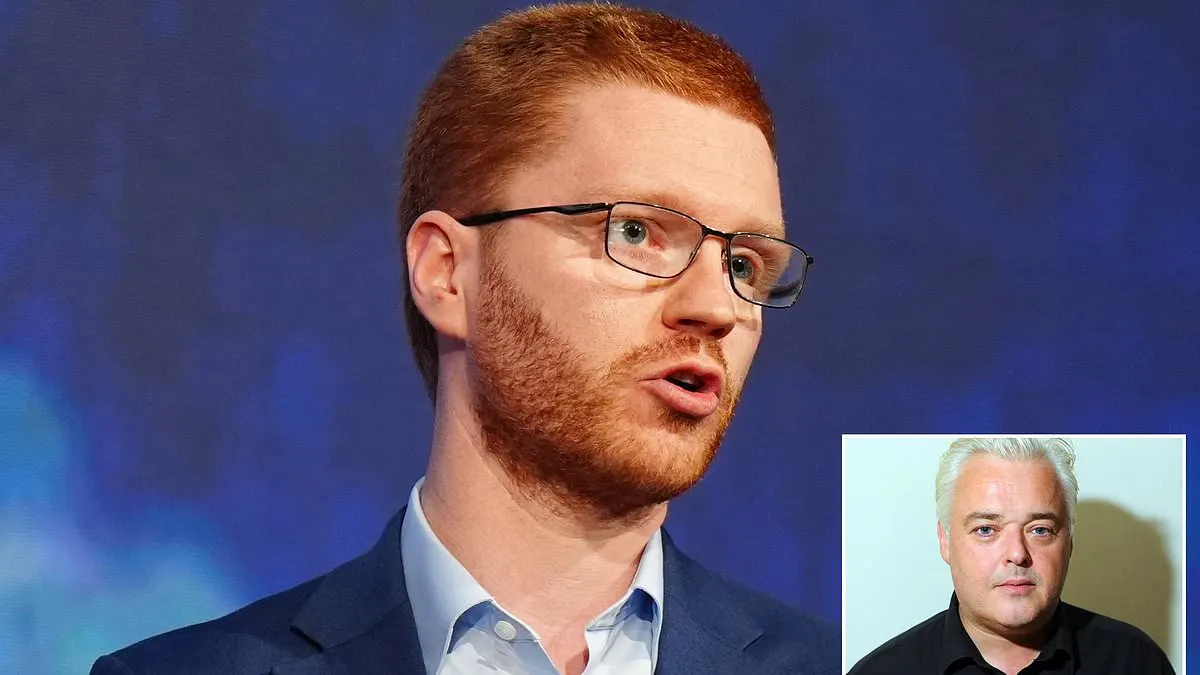
The Green Party of England and Wales passed a motion at its annual conference describing Zionism as racism, drawing condemnation from Jewish organisations who called it an attack on the Jewish community. Party leader Zack Polanski, who has discussed his Jewish heritage, did not vote on or speak against the motion, and subsequently stated he would not accept members being excluded based on religious identity. Jewish groups criticised this response as insufficient given the motion's implications. The Scottish Greens similarly supported the position.
The article argues that anti-Semitism on the political left has increased since Jeremy Corbyn's 2015 election as Labour leader, with Israel criticism increasingly conflated with antisemitic sentiment. It particularly links this to pro-Gaza activism following the October 7, 2023 attacks on Israel and subsequent demonstrations in UK cities, arguing that the Green Party motion creates an unwelcoming environment for Jewish participation in left-wing politics. The article suggests this alienates Jewish voters and members from parties claiming to champion progressive values.
- Green Party passed a motion equating Zionism with racism at its annual conference.
- Jewish organisations condemned the motion as antisemitic and criticised leadership's response.
- Article argues antisemitism has risen significantly on the British political left in recent years.
New here? Start with this
Zionism is a political movement supporting the establishment or maintenance of a Jewish state, primarily Israel. Many Jewish people identify Zionism with Jewish identity and heritage, so statements equating Zionism with racism are interpreted by Jewish communities as attacks on Jewish people themselves.
Debate about Zionism and Israel has become increasingly prominent in British left-wing politics in recent years. Jewish organisations have raised concerns that criticism of Israeli policies sometimes employs language they consider antisemitic, whilst critics argue that opposition to specific political positions should not be conflated with prejudice against Jewish people.
The Green Party motion reflects tensions that have grown within left-wing politics following a wave of pro-Gaza activism and demonstrations across the UK since 2023. These tensions centre on how discussions of Israeli policy are understood in relation to antisemitism and Jewish participation in progressive politics.
Both sides, in good faith
The strongest fair case each way — we don't pick a winner.
The case for
Those defending the motion argue that Zionism, as a political ideology, should be subject to the same critical scrutiny as any other political movement, particularly regarding Israel's policies toward Palestinians. They contend that distinguishing between criticising a political ideology and antisemitism is essential, and that labelling such critiques as bigotry silences legitimate debate about Palestinian rights and self-determination within progressive spaces.
The case against
For many Jewish people, Zionism represents the fundamental right to self-determination and security after historical persecution, making it central to Jewish identity rather than merely a political position. The motion's equation of Zionism with racism, without nuance distinguishing between political ideology and Jewish identity, signals to Jewish members that their concerns are unwelcome in progressive spaces, whilst critics argue this reflects broader antisemitic trends on the left where Jewish voices are uniquely delegitimised for advocating their own national rights.
Read the full article at the source →
Originally published by Daily Mail as “EUAN McCOLM: By equating Zionism with racism, the Greens have crossed the line. It’s time decent people stopped backing them”.