Wireless gaming controls emerged in 1982, with Nintendo’s WaveBird popularising them in 2002
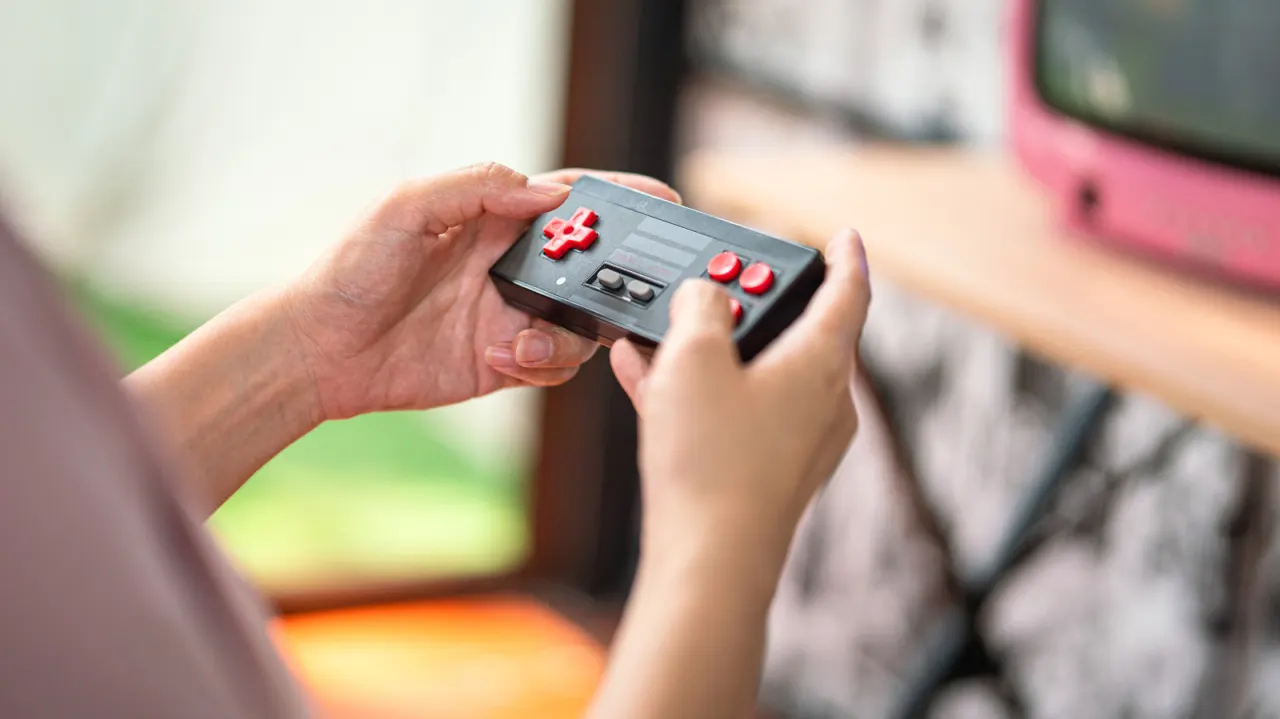
Wireless gaming controllers date back to around 1982, when the Cynex Game Mate 2 offered Atari 2600 players a way to play without a cable. Its early use of radio signals helped distinguish it from later infrared controllers, but bulky construction and heavy battery use limited its appeal.
A major step towards modern wireless play came with Nintendo’s WaveBird for the GameCube in 2002. It used 2.4 GHz radio technology, had a range of at least 20 feet and could run for up to 100 hours on two AA batteries, though it lacked rumble. The article presents the WaveBird as the first mainstream wireless controller to make the trade-offs manageable; Sony’s first wireless peripheral arrived later, in the PS3 era.
- Wireless gaming controllers appeared around 1982.
- The Game Mate 2 used radio signals and reached up to 20 feet.
- Nintendo’s 2002 WaveBird helped make wireless play mainstream.
New here? Start with this
Early wireless controllers let players use radio signals instead of a cable, but early designs could be bulky and drain batteries quickly. Some later controllers used infrared signals, which required a clear line of sight between the controller and console.
Nintendo’s WaveBird was made for the GameCube, a console released in 2001. Its efficient radio connection and long battery life helped make wireless play practical for a wider audience, though it did not provide vibration feedback. Sony also introduced wireless controllers for its consoles, including during the PlayStation 3 era.
Entertainment Gaming Research Science
Read the full article at the source →
Originally published by Engadget as “How long have wireless gaming controllers been around for?”.