Ultra-wealthy parents outsource childcare while ordinary families face rising costs
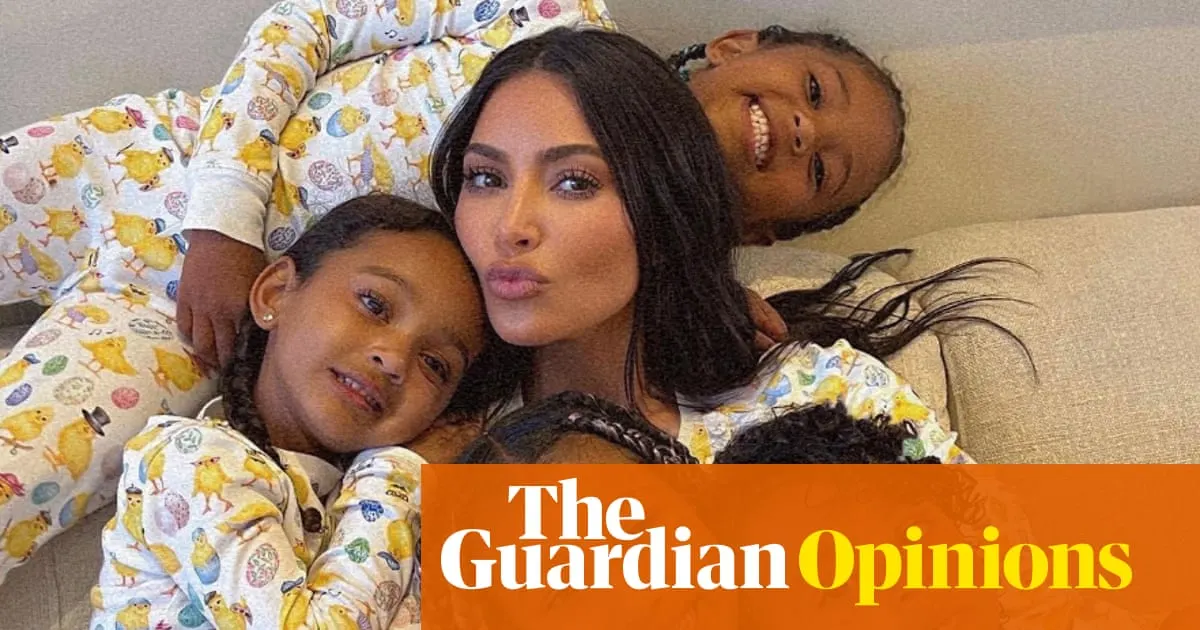
Kim Kardashian's recent revelation that she employs five nannies for her four children has sparked debate about ultra-wealthy parenting practices. The commentary raises broader questions about why billionaires choose to have large families whilst outsourcing much of the childcare, rather than being personally involved in raising their children.
The article highlights extreme examples: Pavel Durov has over 100 biological children via sperm donation, Xu Bo reportedly has 100+ children via surrogates, and Elon Musk has 14 known children. By contrast, for ordinary people, affordability is a major barrier to parenthood, with 36% of adults under 50 who don't plan to have children citing costs as a key factor. The commentary notes that having multiple children has become a status symbol for the ultra-wealthy, reversing the historical association between large families and lower economic status.
- Kim Kardashian employs five nannies to help raise her four children.
- Some billionaires have 100+ children through surrogacy or donation.
- For ordinary people, child costs remain a barrier to parenthood.
New here? Start with this
The discussion concerns how ultra-wealthy individuals manage parenthood by employing teams of professional childcare workers rather than personally overseeing their children's upbringing. Recent examples have brought this practice into public view.
For most people, childcare costs are a significant expense and many cite affordability as the main reason they choose not to have children. By contrast, the ultra-wealthy can easily afford whatever childcare arrangements they prefer.
This situation highlights broader inequalities in what parenthood looks like across different economic groups. It also reflects a reversal in what large families signify: historically they were linked to lower economic status, whereas some of the wealthiest individuals now have many children.
Both sides, in good faith
The strongest fair case each way — we don't pick a winner.
The case for
Reproductive opportunity has become stratified by wealth, with billionaires able to have numerous children through surrogacy and outsourced parenting whilst ordinary people abandon parenthood due to costs, representing a troubling bifurcation in access to fundamental life choices. This inequality is not merely an inevitable market outcome but a systemic problem that concentrates reproductive capacity amongst the ultra-wealthy whilst foreclosing it for ordinary families, raising legitimate questions about fairness and social sustainability that warrant societal concern and response.
The case against
Disparities in what money affords are inherent to any market economy, and childcare outsourcing is routine across all income levels, not uniquely problematic for billionaires; this reflects existing inequality rather than creating new unfairness. The appropriate response is targeted policy addressing childcare affordability and systemic barriers for ordinary families, not critiquing how the wealthy exercise reproductive autonomy, which operates separately from the economic constraints that matter for most people.
Read the full article at the source →
Originally published by The Guardian as “Why do billionaires have so many children if they’re not prepared to parent them? | Arwa Mahdawi”.