Reich and Kendall centre people in music, while Celibidache rejects recordings
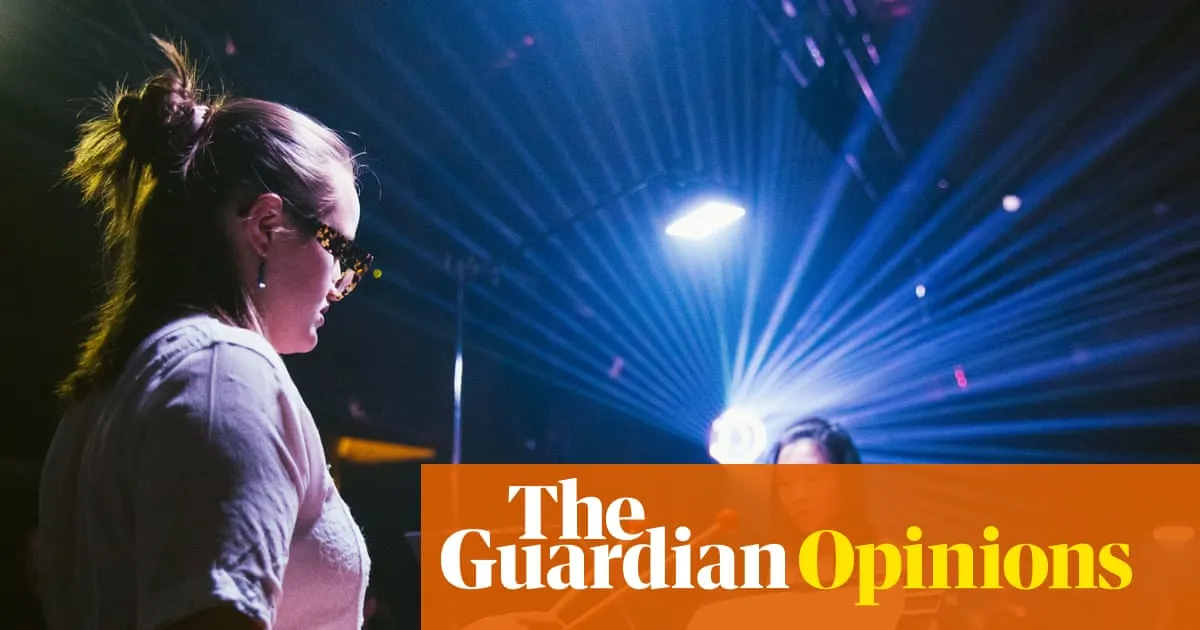
Steve Reich’s early tape pieces and Hannah Kendall’s orchestral works show how music is shaped by the people, histories and politics behind it, challenging the idea that music can ever be “pure”. The article contrasts their human-centred approaches with conductor Sergiu Celibidache’s reported belief that recordings could not capture live music and instead stole its soul.
Reich’s 1960s pieces loop recordings of a preacher and Daniel Hamm, one of six Black men wrongly convicted of murder, whose voice was used to raise money for their legal costs. Kendall reshapes orchestral sounds with altered instruments and everyday objects to explore slavery, capitalism and their legacies; two of her works are due to feature at the Barbican later this month. A new biopic about Celibidache, described as Romania’s most watched film of 2025, has opened in UK cinemas.
- Reich’s early tape works place real voices at the centre.
- Kendall reshapes orchestral sound to confront histories of slavery and capitalism.
- Celibidache’s reported rejection of recordings offers a contrasting view of music.
New here? Start with this
Composer Steve Reich incorporated recorded human voices into his influential 1960s tape pieces, including the voice of a man who was wrongly convicted of murder, bringing real people's lives and political histories directly into his music. Contemporary composer Hannah Kendall similarly grounds her orchestral works in human experience, using altered instruments and everyday objects to explore slavery, capitalism and their lasting impacts.
The story also considers conductor Sergiu Celibidache, a prominent 20th-century figure whose approach represented a different philosophy: he maintained that recordings could never capture the essential quality of live performance and that they fundamentally diminished music's value.
Both sides, in good faith
The strongest fair case each way — we don't pick a winner.
The case for
Music is fundamentally shaped by the people, histories, and political contexts behind it, and this human dimension cannot be separated from the musical experience itself. By centring real voices and stories—such as those of wrongfully imprisoned men or exploited communities—artists honour the dignity of lived experience and create a more authentic artistic truth. Recordings enable this approach to reach wider audiences and create lasting testimony to injustice, making music a vehicle for bearing witness and social accountability rather than retreating into an imagined musical purity.
The case against
The essence of music resides in the irreplaceable immediacy of live performance—the spontaneity, presence and energetic exchange between performer and audience that cannot be captured in any recording. Recordings create fixed, lifeless artefacts that inevitably betray the vital soul of music. Prioritising social narratives and historical context risks subordinating music's purely aesthetic qualities—its formal beauty, harmonic innovation, and intrinsic value as an autonomous art form—to external messaging, ultimately diminishing rather than enriching the listening experience.
Art Culture Entertainment Music
Read the full article at the source →
Originally published by The Guardian as “Only connect: two composers who put humans at the heart of their music, and the conductor who didn’t”.