US justice department seeks to strip citizenship from 40 Americans in six weeks
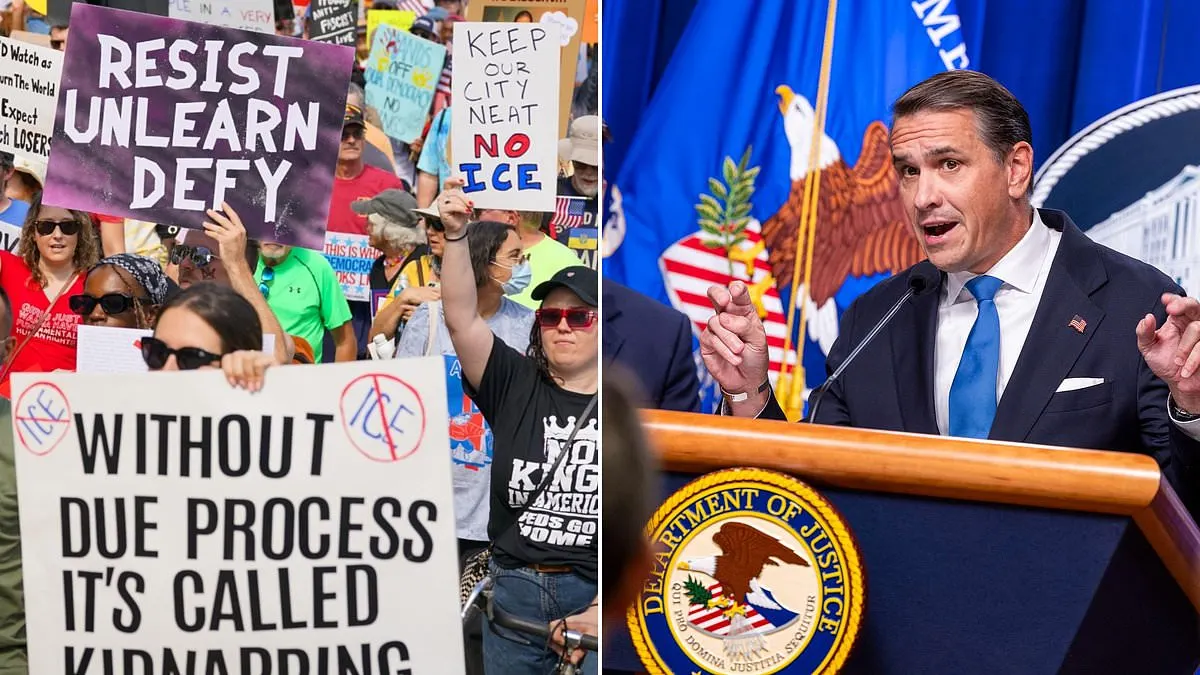
The Trump administration's Justice Department has moved to revoke the citizenship of 40 Americans in a six-week period, marking what officials describe as the largest denaturalisation effort in modern history. The agency is accelerating efforts to file 250 denaturalisation cases by the end of October—more than double the number brought in the preceding eight months. The surge has alarmed immigration lawyers and advocates, who raise concerns about adequate due process, the drain on resources, and the strength of some of the cases being pursued.
The targeted individuals come from 19 federal districts and originate from countries including Mexico, China, Iran, Pakistan, and the Philippines; they face accusations ranging from espionage to sexual offences against minors. Many cases involve allegations that individuals concealed information on government forms that would have made them ineligible for citizenship, though it remains unclear how many such omissions may have been accidental. This effort starkly exceeds historical precedent: between 1990 and 2017, an average of just 11 denaturalisation cases were filed annually, whilst the Biden administration brought only 24 cases during its entire four-year tenure. Some analysts suggest the accelerated pace aims to create a climate of fear within immigrant communities rather than achieve large-scale actual denaturalisations.
- DOJ revokes citizenship for 40 Americans in six weeks, largest modern effort
- Aiming for 250 cases by October, double the previous pace
- Far exceeds historical rates; advocates worry about due process and resources
New here? Start with this
Denaturalisation is the process of stripping citizenship from someone who became a citizen through naturalisation. The Trump administration's Justice Department is pursuing this against 40 Americans in just six weeks, with plans to file 250 cases by October's end. This represents an unprecedented acceleration for the US federal government.
Historically, denaturalisation cases are extremely rare. Between 1990 and 2017, only about 11 cases were filed annually on average, and the previous administration brought just 24 over its entire four-year term. The sudden sharp increase has alarmed immigration lawyers and civil rights advocates, who worry about whether due process protections are being adequately followed and whether all the cases are sufficiently strong.
The targeted individuals come from 19 federal districts across the country and originally hail from nations including Mexico, China, Iran, Pakistan and the Philippines. They face a range of accusations, from espionage to sexual offences against minors. In many cases, the Justice Department alleges they concealed information on citizenship application forms that would have rendered them ineligible, though it is unclear how many of these omissions may have been unintentional.
Both sides, in good faith
The strongest fair case each way — we don't pick a winner.
The case for
Those advocating for the accelerated denaturalisation effort argue that citizenship is a privilege granted on the basis of truthfulness and good faith during the application process. When individuals conceal material facts—whether criminal history, espionage links, or other disqualifying information—they have obtained citizenship through fraud, and the government has both the right and responsibility to revoke it. The serious nature of some allegations, including espionage and sexual offences against children, underscores that this is not a minor administrative matter but involves genuine public safety concerns, and systematic enforcement of citizenship standards protects the integrity of the process.
The case against
Critics contend that the extraordinary acceleration of denaturalisation cases—roughly tripling the historical rate—raises substantial due process concerns and questions about proportionality. They argue that rushed proceedings may not adequately distinguish between deliberate fraud and honest mistakes on complex forms, and that stripping citizenship, the most fundamental legal status, demands careful individual adjudication rather than accelerated processing. The surge also risks creating a chilling effect that discourages immigrants from engaging with government institutions out of fear, and the departure from historical precedent suggests the pace may be driven by political considerations rather than the strength of individual cases warranting reversal of citizenship status.
Football Government Politics Sport World
Read the full article at the source →
Originally published by Daily Mail as “Trump moves to revoke citizenship for record number of Americans with vows to aggressively expand purge”.