Canada halts assisted dying expansion for people with mental illness
Developing story first seen 1 hour ago
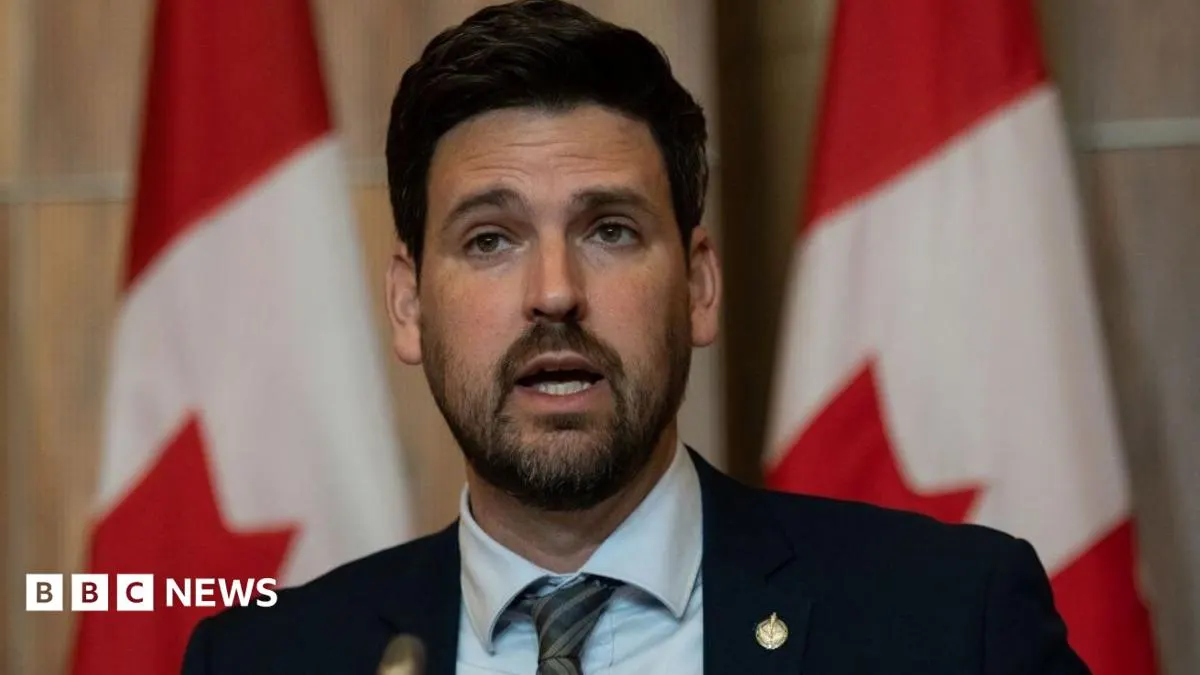
Canada will indefinitely suspend plans to extend medically assisted dying to people whose sole underlying condition is mental illness, abandoning the planned March 2027 expansion. Justice Minister Sean Fraser said there was insufficient consensus on who would be eligible, while acknowledging the issue could ultimately be considered by the Supreme Court.
The government plans to introduce legislation in the coming weeks. It will also let people with a progressing, incurable illness consent to assisted dying in advance of losing the ability to do so, subject to decisions by individual provinces. Assisted dying became legal in Canada in 2016 for people with terminal illnesses and was expanded in 2021 to some people whose deaths were not imminent; advocates for the mental illness expansion say excluding them raises rights concerns, while others question whether eligibility can be safely assessed.
- Canada is shelving the mental illness expansion indefinitely.
- The planned March 2027 start will not go ahead.
- New legislation may allow advance consent for some patients.
New here? Start with this
Canada has a legal procedure called medically assisted dying (MAID) where terminally ill patients can end their lives with medical assistance. For several years, there have been plans to extend this option to people whose only medical condition is severe mental illness, though this remains controversial and has now been halted indefinitely. The debate centres on whether this would be an appropriate healthcare option or a risky expansion that could harm vulnerable people.
Proponents argue that people with treatment-resistant mental illnesses should have the same right to this choice as other patients, and that denying them access violates their healthcare rights. Critics worry about establishing clear eligibility criteria for mental illness and the risks of extending such a serious procedure when mental health conditions can sometimes improve with treatment. This tension reflects a broader debate about patient autonomy, medical ethics and safeguarding vulnerable people.
The Canadian government has repeatedly delayed plans to expand MAID to mental illness cases since they were first proposed in 2023. A parliamentary panel earlier this year recommended against the expansion due to concerns about medical consensus on criteria. The government continues to plan other changes to MAID, such as allowing advance requests from people with progressive incurable illnesses, though individual provinces will have some say in how these work.
Both sides, in good faith
The strongest fair case each way — we don't pick a winner.
The case for
Those supporting expansion emphasise individual autonomy and the principle that people with severe, treatment-resistant mental illness should have the same right to medically assisted dying as those with terminal physical conditions. They argue that denying this option based on the type of illness is discriminatory and inconsistent with healthcare rights, and that competent adults should be trusted to make profound decisions about their own suffering and lives. The expansion, they contend, respects dignity and self-determination for those who have exhausted all treatment options and endure unbearable psychological pain.
The case against
Those supporting the suspension argue that mental illness differs fundamentally from terminal physical conditions in its potential for recovery and remission, even after years of suffering. They emphasise that psychological states fluctuate, that capacity to consent may be impaired during acute episodes, and that vulnerable individuals require protective safeguards rather than expanded access to an irreversible choice. They maintain that insufficient medical consensus on eligibility criteria means proceeding would risk harm, and that society's responsibility is to intensify mental health support and innovation rather than formalise a permanent solution to temporary or treatable suffering.
More coverage
Read the full article at the source →
Originally published by BBC World as “Canada suspends plans to expand assisted dying to people with mental illness”.