Minneapolis ISIS terrorist planned to shoot up Mall of America and slaughter as many non-Muslims as possible, FBI claims
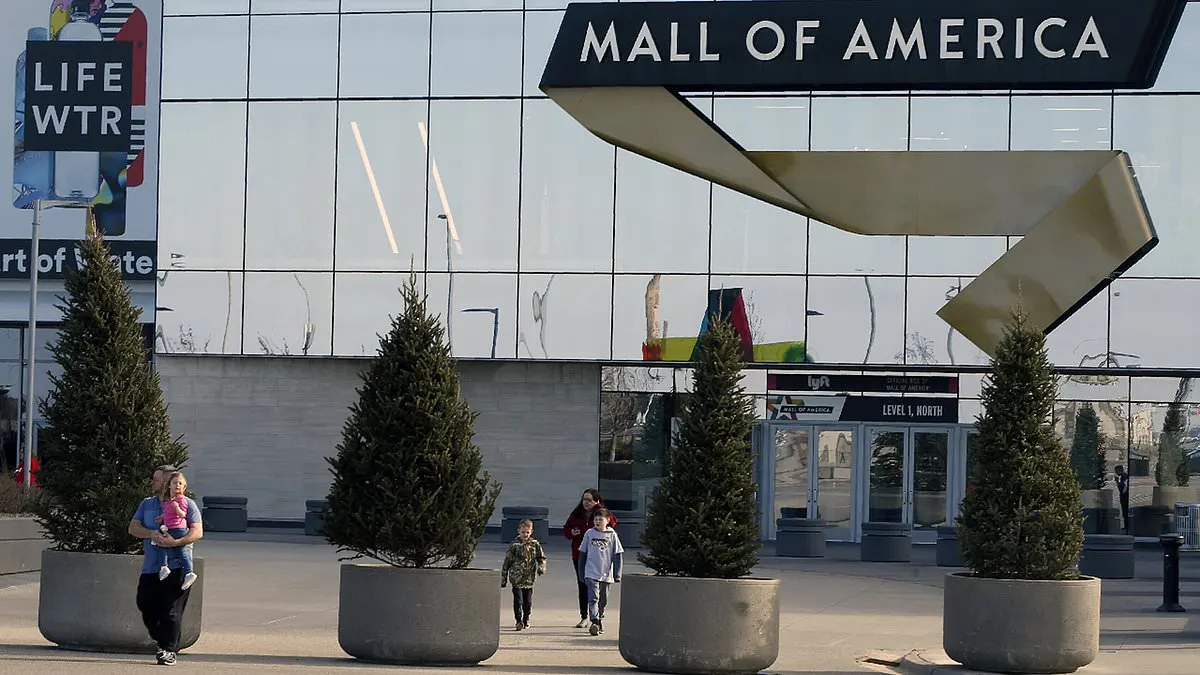
Federal prosecutors say 18-year-old Sheikhdoon Abdullahi Mohamud planned an attack at Minnesota’s Mall of America to kill non-Muslims. He was arrested after buying a rifle and ammunition from an undercover FBI employee, and authorities say the operation disrupted a threat that could have killed dozens.
According to the criminal complaint, Mohamud discussed supporting Islamic State and named 24 October, when a Hmong arts celebration was scheduled, as a possible date for the attack. Prosecutors say he paid $600 for an AK-47, 200 rounds and four 30-round magazines, and had been in contact with an FBI informant since December 2024. He has appeared in federal court; the allegations have not been proven.
- An 18-year-old was arrested over an alleged Mall of America attack plan.
- Prosecutors say he bought an AK-47 and 200 rounds from an undercover FBI employee.
- Authorities say the threat was disrupted before an attack.
New here? Start with this
The Mall of America in Minneapolis is the largest shopping centre in the United States by floor space and attracts millions of visitors annually. Islamic State is a militant group designated a terrorist organisation; it has carried out attacks worldwide and maintains an online presence encouraging supporters to conduct violence in their own countries.
Sheikhdoon Abdullahi Mohamud is an 18-year-old who federal prosecutors allege expressed support for Islamic State and discussed plans to carry out a mass shooting at the mall targeting non-Muslim shoppers. According to the FBI, he identified a date in October coinciding with a Hmong arts celebration as a possible time to carry out such an attack.
US federal law enforcement regularly investigates suspected extremist plots, often using informants and undercover operations to prevent attacks before they occur. Such investigations aim to disrupt threats to public safety, though the methods used remain subject to ongoing debate about appropriate oversight.
Both sides, in good faith
The strongest fair case each way — we don't pick a winner.
The case for
The primary role of law enforcement is preventing mass casualty attacks. When an individual explicitly discusses supporting ISIS, names a specific target location and timing, and actively purchases weapons for an attack, law enforcement has both the authority and obligation to disrupt the threat. The FBI's undercover operation successfully prevented what could have been a tragedy, saving potentially dozens of innocent lives at a major public venue. Such operations are a proven, necessary tool for identifying and neutralising genuine terrorist conspiracies before they result in bloodshed.
The case against
Whilst the allegations are concerning, undercover operations involving informants raise legitimate questions about entrapment and whether law enforcement has encouraged or facilitated criminal conduct that might not have occurred independently. An eighteen-year-old is particularly vulnerable to manipulation by authority figures conducting an extended undercover investigation. Democratic societies depend on robust scepticism of law enforcement narratives and strong civil liberties protections, especially in terrorism cases where security arguments are most persuasive. These safeguards are essential to prevent such operations from creating crimes rather than preventing them.