Civil servants offered huge cash payouts to QUIT work
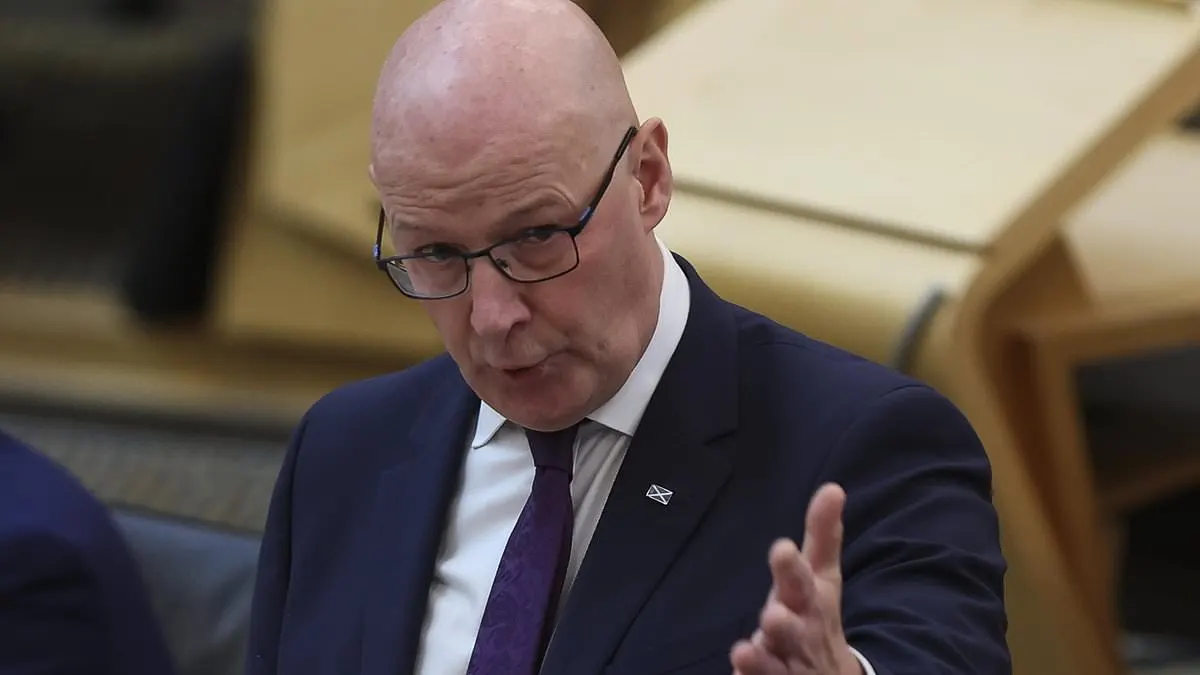
The Scottish Government is offering eligible senior civil servants voluntary exit payments as part of John Swinney’s plan to make the public sector smaller and more focused. The scheme comes alongside stricter office attendance requirements, while an opposition spokesman argues the payments show ministers are not serious about reducing public spending.
Officials earning more than £62,000, including C-band and senior civil service staff, may receive one month’s pay for each year of service, up to 21 months. Scottish public sector employment rose by 6,640 in the year to June 2026, reaching 603,800. From 9 November, staff must work in person at least 40 per cent of the week, rising to 60 per cent for senior civil servants; attendance will be recorded and hybrid-working rights could be withdrawn for those who fall short.
- Senior officials can apply for up to 21 months’ pay to leave.
- Scottish public sector employment reached 603,800 in June 2026.
- Office attendance rules will tighten from 9 November.
New here? Start with this
The Scottish Government has launched a scheme offering senior civil servants the chance to leave their jobs voluntarily in exchange for cash payments. Those earning more than £62,000 could receive up to 21 months' pay, calculated as one month's salary for each year they have worked.
The scheme is part of John Swinney's plan to make the Scottish public sector leaner and more efficient. However, this comes at a time when Scotland's public sector employment has actually been growing, having increased by 6,640 workers in the year to June 2026, which critics say raises questions about the government's commitment to reducing public spending.
The Scottish Government is also tightening rules on where staff work. From November, civil servants must spend at least 40 per cent of their working week in the office, rising to 60 per cent for senior staff, with attendance monitored and the option to work from home at risk for those who do not comply.
Both sides, in good faith
The strongest fair case each way — we don't pick a winner.
The case for
This is a practical, voluntary approach to right-sizing the public sector. Offering dignified exit payments respects civil servants' contributions whilst allowing willing staff to leave, avoiding the human cost and reputational damage of forced redundancies. The one-time costs of severance packages should be weighed against permanent payroll savings; removing senior positions can improve efficiency and service delivery whilst reducing ongoing spending commitments.
The case against
The fundamental problem is that it undermines the government's stated fiscal discipline. If ministers were genuinely serious about cutting public spending, they would achieve workforce reductions without expensive cash handouts; instead, they are spending millions upfront whilst public sector employment has actually grown by over 6,600 in the past year. This suggests either the scheme will not achieve genuine savings or reveals that the government's commitment to restraint is more rhetorical than real.