Developer releases seven early-stage open-source alternatives to Adobe apps
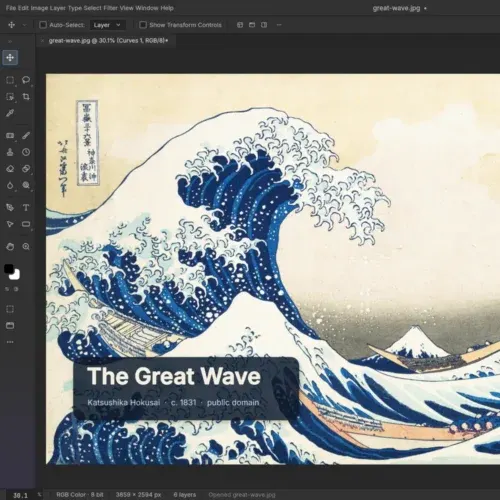
A software developer has launched seven open-source alternatives to Adobe's Creative Cloud applications, including clones of Photoshop, Illustrator, Premiere, Lightroom, After Effects, InDesign and Acrobat Pro, using AI-powered reverse engineering. This challenge to Adobe's market dominance addresses long-standing frustrations with the company's expensive subscriptions and restrictive licencing model.
The applications are currently in early alpha development and have been written in Rust with browser-based WebAssembly versions available. Developer Brandon Thomas initially promised 100% feature parity within a month, later revising that to 99% parity within months rather than years. Released under MIT and Apache licences, the apps will be funded through token-based access to an integrated AI visual model, with backing from a team already working on popular filmmaking software.
- Open-source Adobe alternatives built with AI, in early alpha development.
- Developer promises 99% feature parity within months.
- Free apps funded by token-based access to AI visual model.
New here? Start with this
Adobe Creative Cloud is a collection of professional software widely used in design, photography and video production. Applications like Photoshop, Illustrator and Premiere Pro are the dominant tools in their respective fields, but they require expensive monthly subscriptions and restrict what users can do with the software.
Many professionals have grown frustrated with Adobe's subscription model and licensing restrictions. Open-source software offers an alternative approach, allowing users to freely access, use and modify tools without subscription fees, which explains the appeal of creating alternatives.
The professional creative software market has been dominated by expensive, proprietary products for decades. Any viable open-source alternative would be significant, as it could challenge this dominance and offer users more affordable and flexible options, though building software comparable to established products is an enormous undertaking.
Both sides, in good faith
The strongest fair case each way — we don't pick a winner.
The case for
Open-source alternatives democratise access to professional creative tools, which Adobe's dominance and expensive subscriptions currently restrict to those who can afford premium pricing. This initiative addresses real frustration with proprietary licensing and creates competitive pressure that benefits all users through innovation, choice, and more accessible options.
The case against
Reverse engineering and cloning proprietary software raises serious intellectual property concerns that could invite legal action from Adobe. Beyond that, the timeline claims for achieving feature parity—even revised downward—strain credibility against the engineering complexity of decades-old professional suites, and early alpha software simply cannot serve professionals whose livelihoods depend on stable, mature, thoroughly-tested applications.
Read the full article at the source →
Originally published by Ars Technica as ““Software is over”: Bold AI developer takes aim at Adobe with open source clones”.