Former Instagram adviser became whistleblower after warning Zuckerberg over teen safety
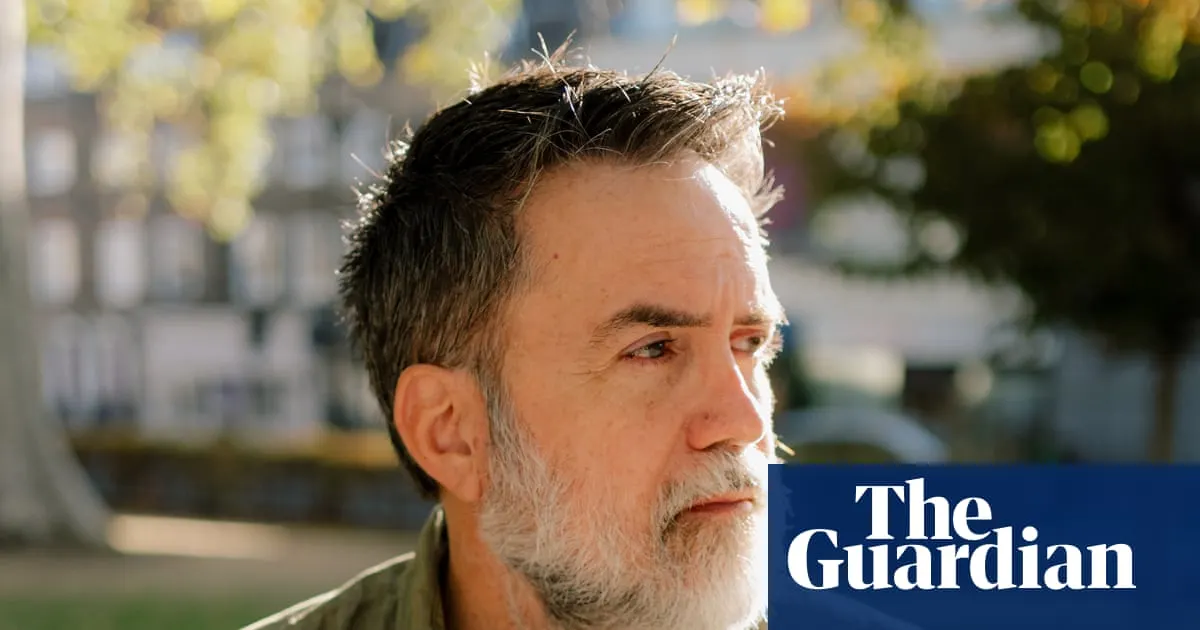
Arturo Béjar, a consultant on Instagram's wellbeing team, sent an urgent email to Mark Zuckerberg on 5 October 2021 presenting alarming data: 24.4% of teenagers had received unwanted advances, 51% of users experienced harm weekly, yet fewer than 0.02% of harmful content was being removed. When Zuckerberg failed to respond, Béjar recognised the company truly did prioritise profit over safety, despite Zuckerberg's public denials that same day. His warning marked the beginning of his transformation into a significant whistleblower against Meta.
By 2023, Béjar was testifying before the US Senate following in Frances Haugen's footsteps. He has since testified under oath at least seven times in various trials and proceedings, most significantly in August in a landmark California case brought by attorneys general from 29 US states. Béjar describes Zuckerberg as emotionally detached and fiercely competitive, someone motivated solely by business metrics rather than moral arguments about user safety or harm prevention.
- Data showed 51% of Instagram users experienced weekly harm, far exceeding Meta's public claims.
- Zuckerberg ignored his warnings; Béjar became a whistleblower who testified multiple times under oath.
- Meta faces major legal action from 29 US states over harms to young users.
New here? Start with this
Arturo Béjar worked as a consultant on the wellbeing team at Instagram, a social media platform owned by Meta. In October 2021, he sent Mark Zuckerberg, Meta's founder and chief executive, an urgent email containing data about serious safety problems affecting teenagers on the platform.
The data Béjar presented showed that nearly a quarter of teenagers had received unwanted advances, and more than half of all users experienced harmful content each week. Yet Meta was removing fewer than one in five thousand pieces of harmful content that appeared on Instagram, suggesting the company was not acting decisively on problems it had identified internally.
Béjar's concerns became significant because Zuckerberg did not respond to his email, leading Béjar to conclude that Meta prioritised business growth over genuine user safety. This realisation prompted him to become a public whistleblower, speaking out about the company's practices and contributing to broader scrutiny of how major social media platforms protect young users.
Both sides, in good faith
The strongest fair case each way — we don't pick a winner.
The case for
Béjar sent Zuckerberg alarming data about widespread harm—24.4% of teenagers receiving unwanted advances, 51% experiencing harm weekly, fewer than 0.02% of harmful content removed—on the same day Zuckerberg publicly denied prioritising profit over safety, revealing a stark gap between the company's public safety commitments and its internal knowledge of demonstrated, systematic harm to young users.
The case against
Meta has invested in safety infrastructure and research; attributing company priorities to an unreturned email, without knowing the full context of the statistics, existing mitigation efforts, or the operational realities of content moderation at scale, oversimplifies how large platforms operate and the genuine trade-offs involved in balancing growth with user protection.
Art Culture Entertainment Film Health Mental Health Technology
Read the full article at the source →
Originally published by The Guardian as “Why Arturo Béjar left Meta – and blew the whistle: ‘I don’t recall Mark ever being empathetic’”.