Samsung eyes $80B quarterly profit as memory buyers pay the price
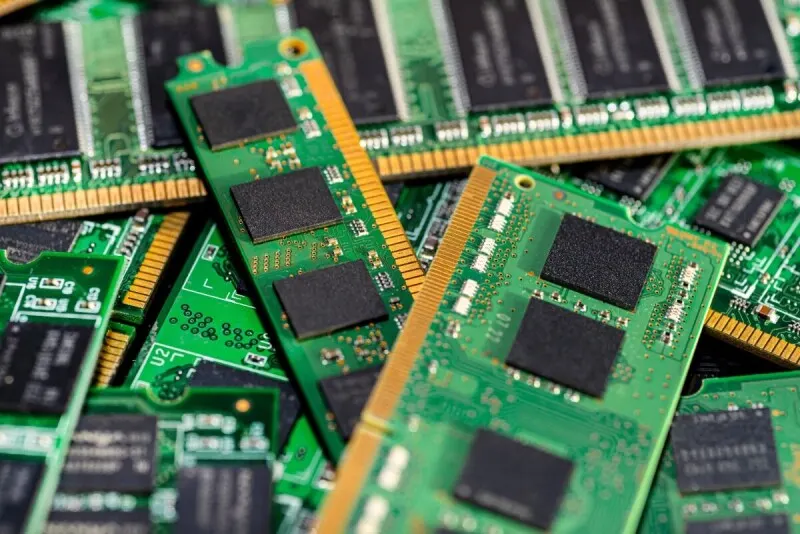
Samsung Electronics is projecting third-quarter revenue to more than double to approximately $145 billion and operating profit to reach nearly $80 billion, driven by surging demand for memory chips from AI infrastructure development. The windfall comes as the memory chip sector benefits significantly from the global AI boom, with high-bandwidth memory and DRAM commanding premium prices from datacentre operators and GPU manufacturers.
The company's expected operating profit of roughly $80 billion represents an 8.8-fold increase from the $9 billion achieved in the same quarter last year. However, manufacturers' pivot towards more profitable AI products is creating supply shortages for consumer electronics, driving up component prices substantially: budget PC sales have fallen 18.7 per cent year-on-year, whilst average PC selling prices are forecast to rise by up to 12 per cent by December. Samsung has warned that the memory supply shortage is likely to deepen through 2027 and potentially persist until 2028, leaving consumers facing sustained higher prices for everyday devices.
- Samsung's Q3 profit set to surge to $80 billion, nearly nine times last year.
- AI chip demand boosts memory manufacturers but squeezes supplies for consumer electronics.
- Budget PC sales falling and prices rising as memory costs climb.
New here? Start with this
Memory chips are components that store and process data in computers and smartphones. Samsung is one of the world's largest makers of these chips, so its financial performance reflects the health of a crucial global technology industry. The company's profits are surging because of exceptional demand from companies building artificial intelligence systems.
Artificial intelligence systems require powerful computers with specialised memory chips capable of handling vast amounts of data very quickly. Companies investing heavily in AI development are willing to pay premium prices for these advanced components. This has made producing AI-focused memory chips extraordinarily profitable for manufacturers like Samsung.
However, the shift towards more profitable AI-focused chips has created shortages of standard memory components used in everyday devices like personal computers and smartphones. As supply tightens, prices for consumer electronics are rising. Samsung has warned that these shortages and price increases are likely to continue for the next two years or more, meaning consumers could face higher costs for basic technology for an extended period.
Both sides, in good faith
The strongest fair case each way — we don't pick a winner.
The case for
Samsung's surge in profitability reflects rational market response to genuine demand for AI infrastructure that drives technological progress and innovation. Markets naturally allocate capital toward highest-value opportunities, incentivising increased production capacity and investment that ultimately benefit the broader economy. Temporary supply constraints in such scenarios are expected, and market mechanisms eventually correct imbalances through competition and new capacity.
The case against
Whilst market responses to demand are economically rational, this situation creates genuine hardship for consumers and developing economies unable to afford technology during the extended shortage. There is a defensible argument that fairness and broader public welfare warrant balancing profit-maximisation with maintaining more equitable access to essential consumer technologies. Markets efficiently direct resources, but such efficiency can conflict with distributional equity when basic goods become unaffordable for significant populations.