One dead and two injured in second Polish school attack in two days as PM blames video games for ‘cult of violence’
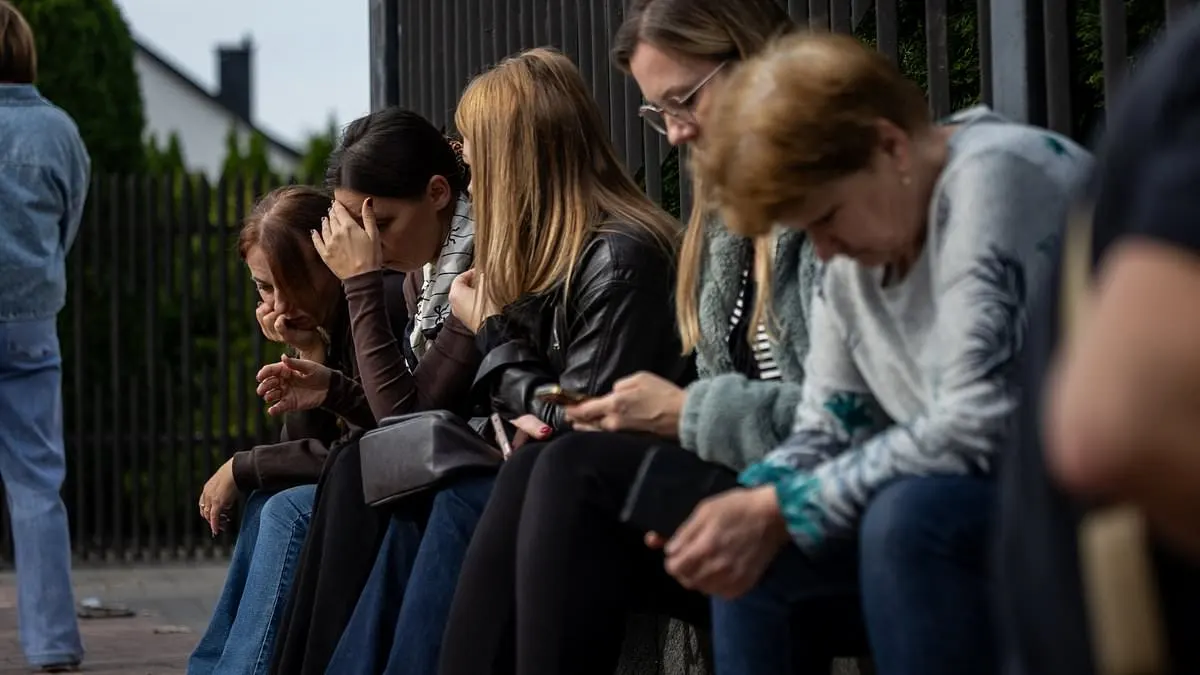
A 15-year-old former pupil stabbed and killed a 37-year-old school caretaker at a Polish primary school on Thursday morning, injuring two others including the head teacher. The attack is the second knife assault at a Polish school in two days, following a Wednesday incident where a 19-year-old wounded ten people, intensifying concerns about a disturbing pattern of youth violence in the country.
The Thursday attack occurred around 8am at a school in Leszczydol-Nowiny, northeast of Warsaw, when the teenager used three knives to attack staff members. The head teacher managed to restrain the attacker after being wounded, and both injured victims are reported to be out of danger. Prime Minister Donald Tusk blamed social media and video games for fostering a "cult of violence" among young people, whilst police confirmed they have arrested multiple teenagers in recent months who were planning attacks. A third incident saw a 17-year-old detained on Wednesday after speaking about plans to carry out violence at a school.
- Polish school knife attack kills caretaker; second incident in two days.
- Prime Minister attributes violence to video games and social media.
- Rising trend of young offenders planning school attacks across region.
New here? Start with this
Poland has experienced a series of knife attacks at schools in recent days. The incidents have involved young people attacking educational establishments with weapons, resulting in injuries to school staff.
Police and political leaders have expressed concern about this pattern of youth violence. Authorities have arrested multiple teenagers in recent months who were suspected of planning similar attacks, indicating this is part of a broader issue.
Officials have pointed to potential influences including social media and video games on young people's behaviour. The situation has become a matter of national concern, prompting discussions about prevention. Schools and families across Poland now face heightened anxieties about safety.
Both sides, in good faith
The strongest fair case each way — we don't pick a winner.
The case for
Video games and social media are deliberately designed to maximise engagement through extreme content, creating algorithms that amplify violent material. Repeated exposure desensitises young people to violence and erodes empathy, particularly among those isolated or psychologically vulnerable. The concentration of content consumption among teenagers means these platforms shape worldviews and behaviour patterns far more than previous generations experienced. When young people spend hours daily in algorithmic feeds filled with violence, the cumulative normalisation of harm becomes a serious public health concern.
The case against
Violent entertainment has existed for decades across all wealthy nations where similar games are played, yet Poland's school attacks represent an unusual pattern suggesting other causes: mental health crises, weapon access, bullying, or social fragmentation. Millions of young people globally experience identical gaming and social media exposure without committing violence, indicating consumption isn't the decisive factor. Attributing complex violence to media provides politically convenient answers that bypass harder work—addressing youth mental health services, identifying at-risk individuals, examining social isolation and trauma. Real solutions require understanding actual root causes rather than blaming entertainment.