BBC pays white workers less than ethnic minority colleagues in almost every pay band
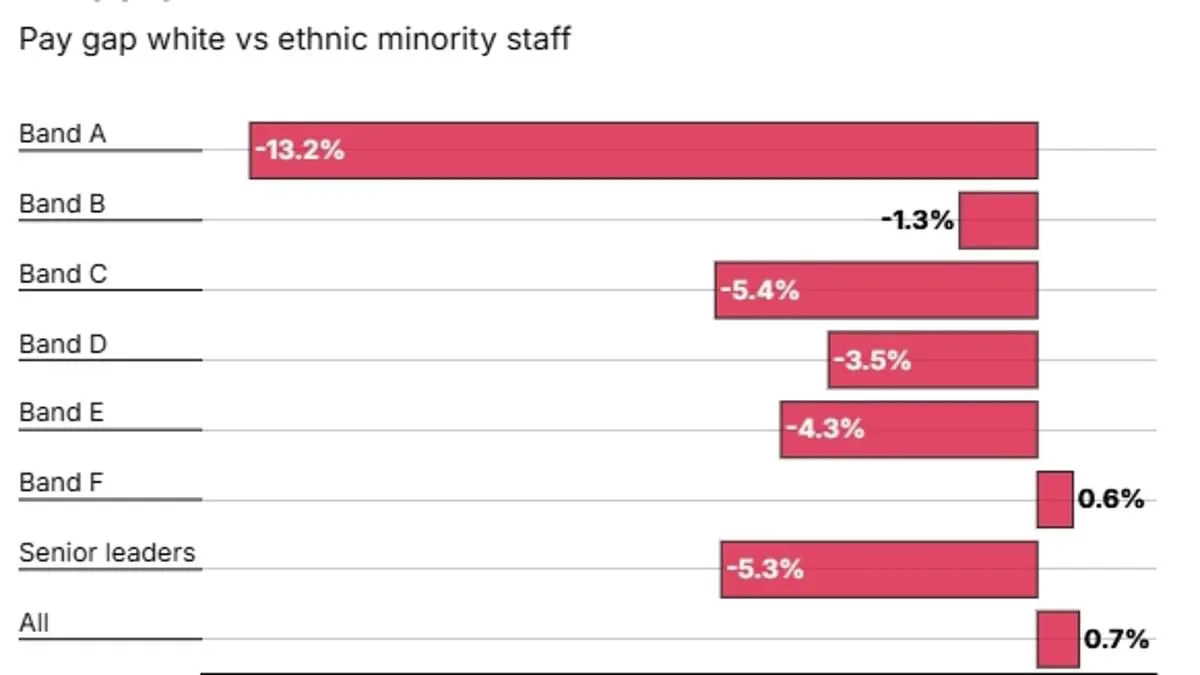
The BBC's latest pay gap report reveals a complex picture of pay inequality at the corporation. While ethnic minority employees are paid more than white colleagues in most individual pay bands, white workers earn 0.7 per cent more when all staff are considered together. The gap has narrowed from 2 per cent the previous year, but the findings highlight broader disparities affecting multiple groups at the broadcaster.
In the BBC's lowest pay band, ethnic minorities earned a median 13.2 per cent more than white staff, and senior leaders from ethnic minority backgrounds earned 5.3 per cent more than white counterparts. However, Black employees earn 8.5 per cent less than white colleagues overall, whilst Asian staff earn 2.7 per cent more. The report shows larger pay gaps for other groups: LGBTQ+ workers face the largest disparity at 8.7 per cent less, women are paid 7.6 per cent less than men, and disabled employees have a 3.8 per cent gap. The BBC attributes some of these variations to differing distributions across pay bands and the range of roles within each band, and notes it has a diversity strategy aiming for specific representation targets that are not tied to salary levels.
- White BBC staff earn less in most pay bands, but earn more overall
- LGBTQ+ workers face the largest pay gap at 8.7 per cent
- Women paid 7.6 per cent less; disabled staff 3.8 per cent less
New here? Start with this
The BBC is the UK's state-funded public broadcaster, employing tens of thousands of people across television, radio, online services and more. Like many large employers, the BBC publishes annual reports on pay disparities between different groups of workers, measuring whether staff from different backgrounds, genders or other circumstances receive similar pay for similar work.
Pay gap reporting is now a key measure of workplace equality across the UK. The BBC's figures are particularly significant because the organisation is publicly funded and serves the entire country, making its employment practices a matter of public interest. These reports can reveal whether certain groups systematically earn more or less than colleagues, which might indicate structural issues in how an organisation pays, hires or promotes its staff.
Both sides, in good faith
The strongest fair case each way — we don't pick a winner.
The case for
These figures reveal concerning disparities affecting vulnerable groups: women earn 7.6 per cent less, LGBTQ+ workers face an 8.7 per cent gap, and Black employees earn 8.5 per cent less overall. That certain ethnic minority groups earn more in individual pay bands does not negate systemic inequalities; such aggregate gaps may reflect how different groups are distributed across roles and seniority levels. The BBC should treat these findings as evidence that its diversity strategy must progress further to ensure genuine pay equality alongside representation, and should transparently investigate root causes of these persistent disparities.
The case against
The data presents a more complex picture than a straightforward discrimination narrative suggests. Ethnic minorities actually earn more than white colleagues in most individual pay bands, and senior ethnic minority leaders earn 5.3 per cent more; if systemic bias existed, one would expect the opposite. Pay variation across groups reflects legitimate factors such as role distribution, experience, and seniority rather than discrimination. The BBC has already narrowed overall gaps and explicitly notes its diversity strategy is separate from salary decisions, indicating that pay differences are appropriately driven by performance and role requirements rather than demographic considerations.