Catherine Chidgey’s novel recasts a woman’s starvation as spectacle
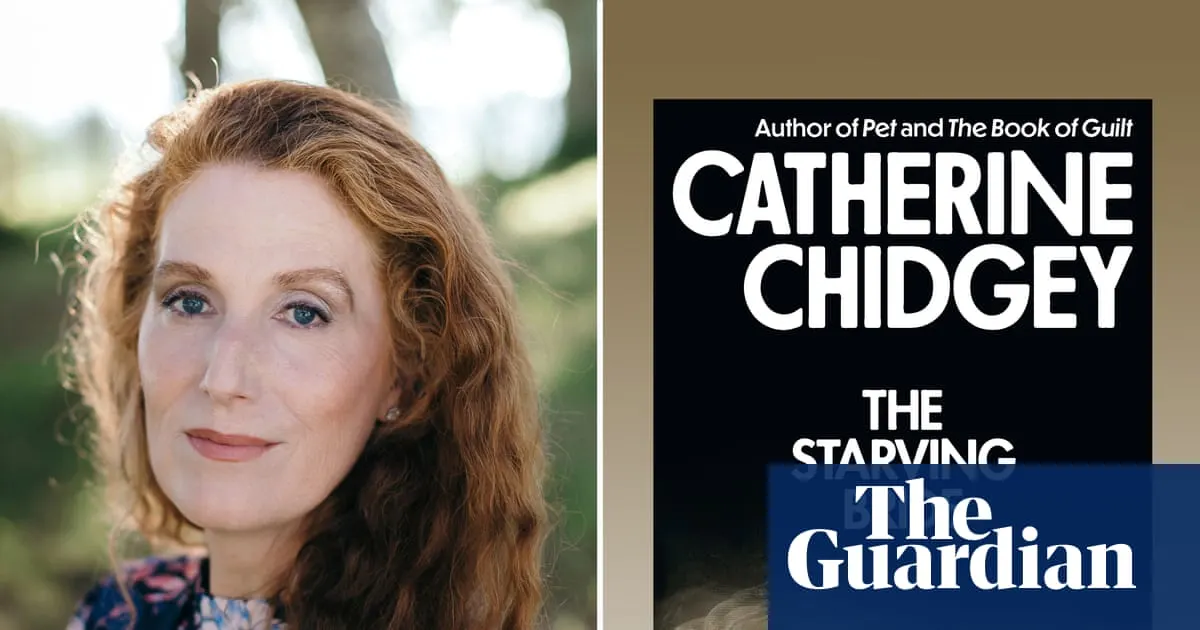
Catherine Chidgey's ninth novel, "The Starving Bride," draws inspiration from a 1930s newspaper story about a woman who attempted to fast for forty days in a lion's den as a circus attraction in Blackpool. In the novel, a character named Hazel participates in a similar spectacle, starving herself in a glass coffin alongside a lion whilst crowds watch, ostensibly to fund her dream wedding but truly to escape her troubled past and reinvent herself. The book explores darker themes including climate inaction, exploitative economics, beauty standards and coercive control through this metaphorical narrative.
Whilst the novel is gorgeously written, the reviewer argues it feels surprisingly tame compared to the contemporary reality of body-image culture, GLP-1 drugs and "looksmaxxing". This is Chidgey's ninth novel, and the reviewer criticises it for being less strange and unsettling than her previous works such as The Axeman's Carnival and Pet. Ultimately, the novel reads as quaint and myopic in its approach to gender, lacking the strangeness and sensuality of comparable works by authors such as Margaret Atwood, Marian Engel and Angela Carter.
- Chidgey's novel about a starving woman feels tame against real body-image crises today.
- Set in a nostalgic near-future, the story explores exploitation and self-erasure themes.
- The ninth novel lacks the strangeness of her previous, more acclaimed works.
New here? Start with this
Catherine Chidgey is an established novelist who has published nine works of fiction. Her latest novel, "The Starving Bride," is inspired by a real event from the 1930s when a woman attempted to fast for forty days in a lion's den as a circus attraction in Blackpool.
In the novel, a character named Hazel stages a similar public starvation spectacle, living in a glass coffin alongside a lion while crowds observe. She officially presents the event as a fundraiser for her wedding, but the narrative suggests her true motivation is to escape her troubled past and reinvent herself.
Through this central story, the book explores themes including climate inaction, economic exploitation, beauty standards and coercive control. The spectacle of a woman starving herself under public gaze provides the framework for examining these interconnected issues.
Both sides, in good faith
The strongest fair case each way — we don't pick a winner.
The case for
Defenders of the novel might argue that the circus-starvation metaphor, rooted in 1930s history, offers a powerful and timeless lens through which to examine contemporary themes of exploitative economics, beauty standards and bodily autonomy. The literary restraint could be understood as intentional craft rather than timidity, allowing readers to contemplate these serious themes with appropriate gravity, and Chidgey's exploration of Hazel's agency and reinvention through this spectacle might successfully unsettle readers about the nature of choice under constraint.
The case against
The reviewer's position is that the novel, despite thematic ambitions, feels insufficiently strange for the contemporary moment—when actual body manipulation through GLP-1 drugs and looksmaxxing culture constitute far more disturbing spectacles. The work lacks the narrative daring and sensual intensity of Chidgey's earlier novels and comparable canonical authors such as Atwood, Engel and Carter, resulting in a treatment of gender and embodiment that reads as quaint rather than genuinely challenging or revelatory.
Culture Health Medicine Offbeat Weird & Viral
Read the full article at the source →
Originally published by The Guardian as “The Starving Bride by Catherine Chidgey review – a girl wastes away in a gothic near-future”.