Ukrainian electronic warfare redirects Russian missiles into Dnipro River
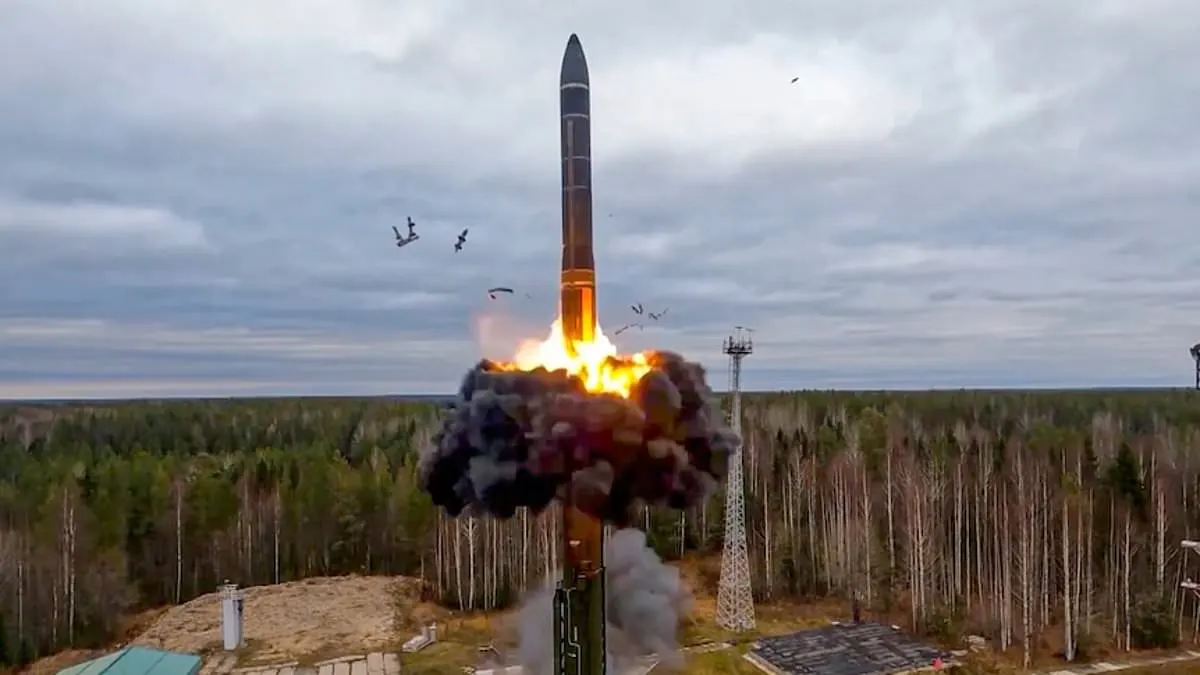
Ukraine's elite Night Watch unit has been using electronic warfare to intercept Russian hypersonic missiles, with recent examples including two ballistic missiles diverted into the Dnipro River using radio signals. This electronic warfare capability represents a critical new battleground in the Russia-Ukraine conflict, with both nations developing sophisticated jamming technology that Western militaries are racing to match.
The Lima system operates across a 120-mile range, projecting false navigation signals that cause missiles and drones to veer off course, with reported effectiveness rates of 70 to 95 per cent against radio-controlled drones in certain sectors. However, it remains difficult to verify whether downings result from electronic interference or technical failure, and accidentally diverted targets can sometimes hit civilian areas.
- Ukraine's Night Watch unit uses electronic jamming to intercept Russian missiles
- The Lima system has 70-95% effectiveness against radio-controlled drones within 120 miles
- Electronic warfare is becoming central to battlefield tactics globally
New here? Start with this
Russia has been attacking Ukrainian targets with missiles throughout the ongoing conflict. Ukraine has developed a system that uses radio signals to disrupt these attacks by interfering with how missiles navigate towards their targets. This represents a new form of military technology becoming important in the war between the two nations.
The system works by sending false signals that confuse a missile's navigation system and cause it to change course or miss its intended target. Ukraine's technology covers a wide area and has shown high effectiveness rates in tests, though experts say it remains difficult to confirm whether missiles failed due to the false signals or other technical problems. Missiles that are redirected can still cause damage in unexpected locations, including civilian areas.
This technology matters because it offers a way to protect against missile attacks without relying on traditional air defence systems, and has become an important part of how both Russia and Ukraine conduct their conflict. Military experts worldwide are watching these developments closely, as this type of technology is playing an increasingly significant role in modern warfare.
Both sides, in good faith
The strongest fair case each way — we don't pick a winner.
The case for
Ukraine's deployment of electronic warfare represents a legitimate and necessary defensive response to Russian missile attacks. These systems protect civilians by preventing strikes on cities and infrastructure, and Ukraine's technological ingenuity in developing such capabilities demonstrates its ability to impose meaningful costs on Russian military operations. When faced with overwhelming conventional force, defensive innovation becomes an essential tool for survival and resistance.
The case against
Whilst electronic warfare offers defensive benefits, the acknowledged difficulty in verifying whether missiles are genuinely neutralised versus accidentally redirected, combined with the stated risk that diverted weapons can strike civilian areas, raises serious concerns about this approach. Creating unpredictable outcomes where incoming threats are deflected rather than destroyed may inadvertently increase overall danger to civilians compared to other defensive methods, and effectiveness rates of 70–95 per cent suggest substantial uncertainty about where and when deflected missiles ultimately land.
Read the full article at the source →
Originally published by Daily Mail as “Elite Ukrainian ‘Night Watch’ unit ‘intercepts Russian hypersonic missiles using radio signals and diverts them into river’”.