Gartner predicts more than half of quantum startups will close by 2030
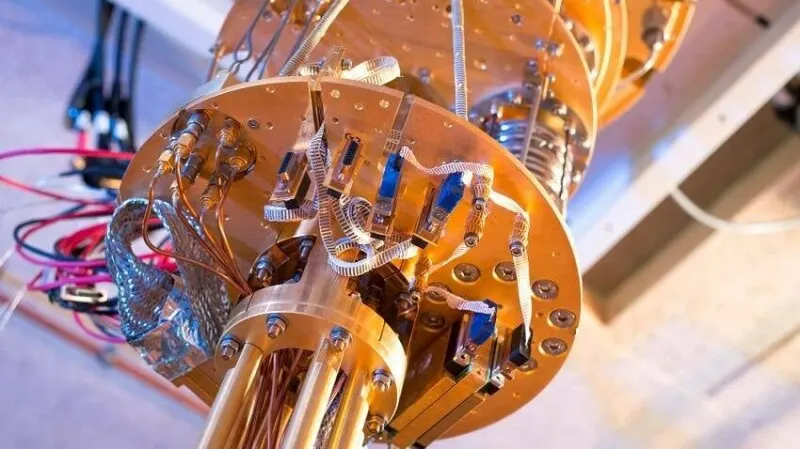
Gartner predicts that more than half of quantum computing startups will close by 2030, as 200 to 300 companies compete for a market that is not yet producing enough revenue to sustain them. The forecast highlights the gap between investor expectations and the time needed to build reliable, useful quantum computers, even as businesses start exploring possible advantages.
Gartner expects worldwide quantum computing revenue to reach $1.1 billion in 2027, up from $869.9 million forecast for this year. Public-sector spending is projected to lead initially, reaching $245 million in 2027, while banking, finance and insurance are forecast to become the largest customer sector in 2028, spending $289 million. Progress in qubit counts, algorithms, gate speeds and reliability is continuing, but fault-tolerant computing remains a key hurdle.
- Gartner expects over half of quantum startups to fold by 2030.
- The 2027 market forecast is $1.1 billion.
- Finance is forecast to become the biggest customer sector in 2028.
New here? Start with this
Quantum computers are machines that work fundamentally differently from regular computers and could potentially solve certain problems far more quickly. The technology is still experimental, but many believe it could transform fields like medicine, materials science and finance, which has attracted hundreds of startups and billions in investment funding. Most of these companies are racing to develop working quantum computers before their rivals do.
The problem is that quantum computers remain extremely difficult to build and are not yet reliable or powerful enough to solve real-world problems better than conventional computers. Gartner's research suggests that the market cannot currently support all the startups trying to build them, and most will likely run out of money and close before they produce commercially useful machines. The firms that survive will probably be those with the strongest funding, partnerships or technological breakthroughs.
This matters because quantum computing could deliver enormous benefits if the technology matures, but the timeline remains uncertain. For now, government agencies and large financial firms are the main customers willing to invest, though banks and insurers are expected to become bigger spenders as applications develop. The prediction reflects the gap between the investment flowing into quantum startups and how long it actually takes to develop the technology.
Both sides, in good faith
The strongest fair case each way — we don't pick a winner.
The case for
The prediction reflects realistic market economics: with 200 to 300 companies competing for less than $1 billion in annual revenue, most startups cannot achieve sustainable profitability whilst bearing substantial R&D costs. Technical barriers—particularly fault-tolerant computing—remain genuinely difficult, suggesting commercialisation timelines may extend well beyond investor expectations and venture capital patience. Historical precedent shows that overcrowded technology markets do consolidate when revenue growth fails to match company formation rates.
The case against
Quantum computing remains at an early stage where diverse approaches—different qubit types, software platforms, application-specific solutions—can coexist and serve distinct market segments, unlike mature industries. Exponential improvements in quantum capabilities could accelerate commercial breakthroughs unexpectedly, creating new revenue streams faster than current projections assume. Dismissing half these companies as failures ignores that many may be acquired, repositioned into profitable niches, or succeed through approaches Gartner's current modelling has not anticipated.
Art Business Celebrity Companies Culture Entertainment
Read the full article at the source →
Originally published by The Register as “Too many quantum startups, too little money to keep them alive”.