American Airlines to Deploy Starlink Wi-Fi Across Entire Mainline Fleet Starting 2027
Developed over time first seen 54 minutes ago
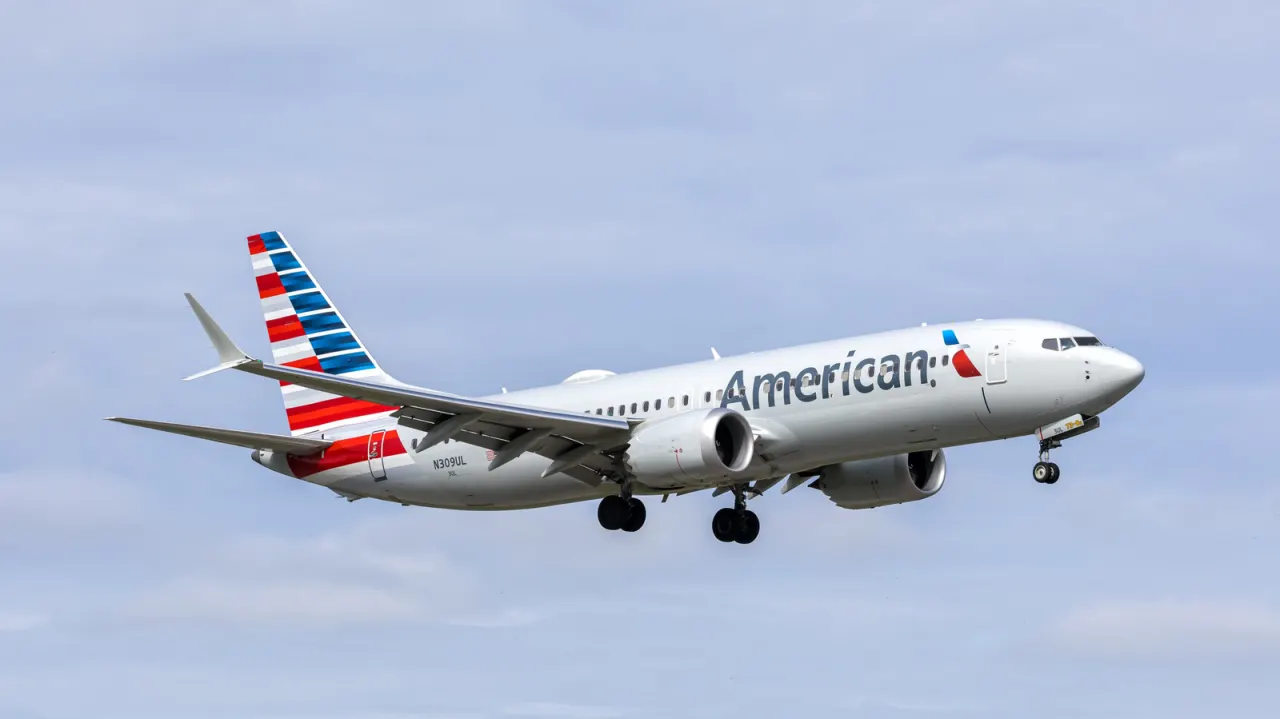
American Airlines has committed to equipping its complete mainline fleet of over 1,030 aircraft with Starlink satellite internet connectivity beginning in 2027, more than doubling its initial deployment target. This expansion represents a significant upgrade in capacity and signals the airline's strategic shift toward satellite-based connectivity solutions for its passenger operations.
The deployment will deliver enhanced in-flight internet speeds and reliability to the airline's 165 million annual passengers, representing a substantial quality improvement over existing connectivity options. The rollout spans both narrowbody and widebody aircraft across the mainline operation, establishing comprehensive satellite coverage across American Airlines' domestic and international routes.
- American Airlines to equip 1,030+ mainline aircraft with Starlink Wi-Fi from 2027, doubling initial commitment
- Rollout delivers faster satellite internet to 165 million annual passengers across domestic and international flights
- Shift to satellite connectivity aims to improve in-flight internet reliability and speeds fleet-wide
New here? Start with this
American Airlines is one of the world's largest airlines, carrying hundreds of millions of passengers each year. Starlink is a satellite-based internet service operated by SpaceX that uses orbiting satellites to provide connectivity globally. In-flight Wi-Fi has become a standard expectation for air travellers, though existing systems have often been slow and unreliable.
Current in-flight internet systems rely on ground-based infrastructure, which limits their effectiveness particularly on flights over oceans or remote regions where coverage is sparse. Airlines have increasingly sought better solutions as passengers expect consistent, fast internet access during their journeys. Satellite systems like Starlink offer the potential to overcome these geographical limitations by providing continuous coverage worldwide.
Satellite-based internet is still relatively new to commercial aviation compared to traditional ground-based systems, so widespread deployment at the scale of a major airline represents a significant test of the technology's readiness.
Both sides, in good faith
The strongest fair case each way — we don't pick a winner.
The case for
This deployment represents a meaningful improvement to passenger experience, delivering faster and more reliable in-flight connectivity to 165 million annual passengers annually. Enhanced connectivity has become an expected service for modern air travel, and comprehensive satellite coverage across the entire fleet provides American Airlines with a competitive advantage whilst enabling business travellers and passengers to remain productively connected during flights, supporting the airline's modernisation ambitions.
The case against
Whilst improved connectivity has genuine value, committing to full fleet deployment raises legitimate concerns about vendor lock-in with a single provider whose track record shows service inconsistencies and outages. The expansion of satellite constellations raises environmental questions affecting astronomy and space sustainability, and there are valid concerns about privacy implications of satellite-based connectivity and whether this substantial capital investment represents optimal allocation compared to other passenger experience improvements such as seating, catering, or ground service quality.
Coverage
- Engadget — American Airlines is bringing Starlink Wi-Fi to its entire mainline fleet in 2027
- Engadget — American Airlines to fit Starlink Wi-Fi across mainline fleet from 2027