Fort Hood shooter’s execution by firing squad will be livestreamed, Pentagon says
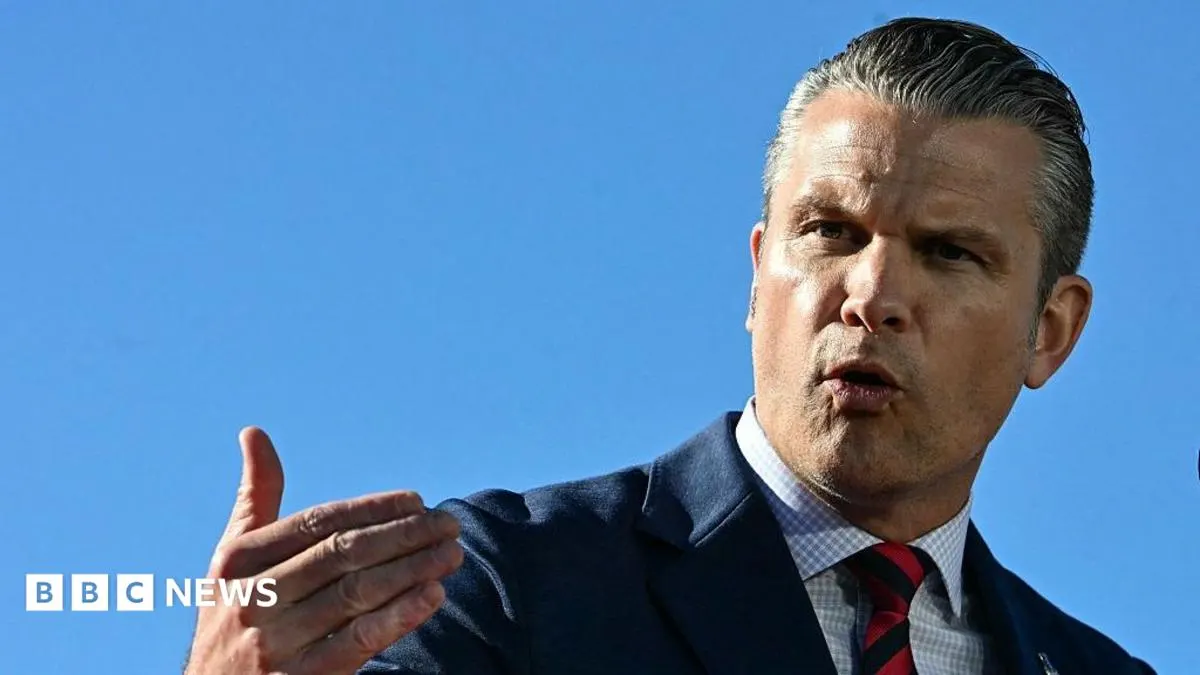
US Defence Secretary Pete Hegseth says the execution of Nidal Hasan, who killed 13 soldiers at Fort Hood in 2009, will be livestreamed. If carried out, it would be the first public execution in the US in almost a century and the first military firing squad execution since the Second World War.
The execution is scheduled for 3 December at Fort Hood, Texas, after President Donald Trump approved the recommendation, according to the Pentagon. Hasan admitted carrying out the attack, but legal appeals remain possible and could delay or prevent the execution. Lawyers and legal scholars have questioned the plan’s legality and criticised livestreaming an execution.
- Hegseth says Hasan’s execution will be livestreamed.
- The execution is scheduled for 3 December at Fort Hood.
- Appeals could delay or prevent it.
New here? Start with this
Nidal Hasan was a US Army psychiatrist who opened fire at Fort Hood military base in Texas in 2009, killing 13 people, mostly soldiers. The attack was among the deadliest shootings on a US military installation. Hasan was arrested at the scene and admitted to carrying out the shooting.
Hasan was sentenced to death for the attack. An execution in this case would mark the first public execution in the United States for nearly a century and the first military firing squad execution since the Second World War.
The execution remains subject to legal appeals, which could delay or prevent it from taking place. Lawyers and legal scholars have raised questions about various aspects of capital punishment and military justice, reflecting broader debate in America about how executions should be conducted.
Both sides, in good faith
The strongest fair case each way — we don't pick a winner.
The case for
Advocates for the livestream argue that state executions demand full public transparency and accountability. When the government exercises its ultimate power—taking a citizen's life—the public must be able to witness it directly to ensure the process is legal, humane, and properly carried out. This transparency prevents hidden abuses and serves the victims' families and broader public interest in justice. Democratic governance fundamentally depends on citizens' ability to scrutinise state actions, and secrecy about executions undermines that principle.
The case against
Opponents contend that public executions violate modern standards of human dignity and risk reducing a judicial proceeding to spectacle. Even for serious crimes, the state should conduct executions with restraint rather than broadcast them for public viewing. Livestreaming creates risks of sensationalism, trauma to victims' families and viewers, and potential violations of constitutional protections that have evolved to prohibit such public displays. Justice requires solemnity and dignity, not entertainment value in state proceedings.