The telltale signs that the person who is doing your nails might have been TRAFFICKED into Ireland… and why Gardai are calling on you to do THIS simple thing to stop those who profit from the depravity
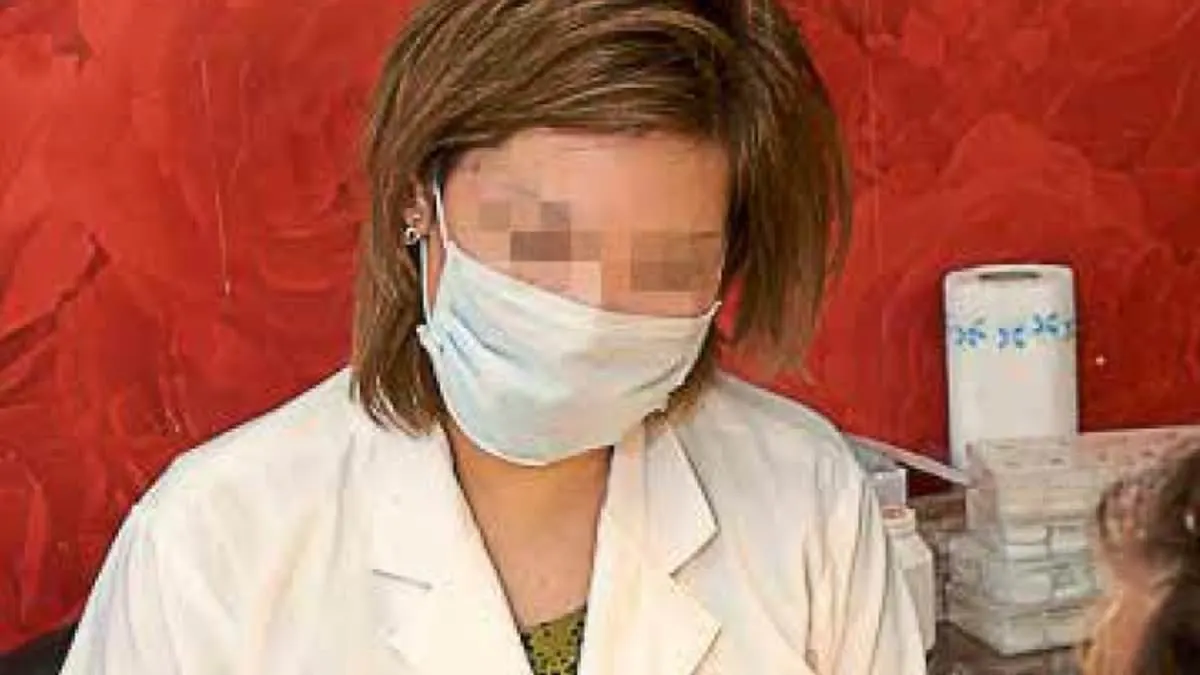
Irish police have launched an appeal to nail salon customers to help identify potential human trafficking victims working in their vicinity. Detective Chief Superintendent Thelma Watters of the Garda National Protective Services Bureau has urged the public to notice warning signs, particularly in nail bars, where trafficking has become an increasing concern. The issue matters because human trafficking is described as depraved, and ordinary customers can play a crucial role in identifying victims.
Gardaí have identified several red flags: workers wearing masks to prevent conversation with customers, an unusual increase in male workers in what has traditionally been a female-dominated industry, and individuals without legitimate reasons to be in the jurisdiction. The WRC (Workplace Relations Commission) has also flagged nail bars as businesses of concern. Chief Superintendent Watters emphasised that the public should pay closer attention to who is working in nail salons, shops, and restaurants, and that Irish people are "very shrewd at spotting something that's not quite right." The Garda is also monitoring potential organ trafficking on the black market internationally, though not yet confirmed as an issue in Ireland.
- Gardaí urge nail salon customers to spot trafficking victims
- Warning signs include masks preventing conversation and unusual male workers
- Public awareness is crucial in identifying and reporting trafficking
New here? Start with this
Human trafficking involves the illegal exploitation and forced labour of vulnerable people. Irish police have become concerned that nail salons may employ trafficking victims, with workers subjected to poor conditions and little freedom.
Irish police (Gardaí) have launched an appeal asking the public to notice warning signs in nail salons and similar businesses. Police have identified red flags including workers wearing masks to prevent conversation, an unusual increase in male workers in traditionally female-dominated salons, and individuals without apparent legitimate reasons to be in Ireland.
The issue matters because human trafficking is a serious crime affecting thousands globally. By helping police identify potential victims, members of the public can assist in protecting vulnerable people and disrupting criminal networks that profit from exploitation.
Both sides, in good faith
The strongest fair case each way — we don't pick a winner.
The case for
Human trafficking in nail salons is a documented problem, and victims are often unable to self-report due to coercion, isolation, or fear. Public awareness campaigns that teach customers to recognise warning signs leverage community vigilance to identify vulnerable people whom authorities might otherwise miss. By empowering ordinary citizens to spot genuine red flags—communication restrictions, workers lacking legitimate employment rights, or unexplained staffing patterns—police can supplement their limited investigative resources. This approach respects victims' dignity and recognises that frontline identification can protect the most vulnerable.
The case against
Whilst trafficking is undoubtedly serious, asking the public to monitor workers risks unintended discrimination against innocent staff. Workers may be reported simply for appearing foreign, speaking limited English, or engaging in legitimate cultural practices, diverting police resources toward false leads. This approach also subjects workers to invasive public scrutiny that could worsen their conditions rather than improve them. More effective solutions would involve stricter regulatory oversight, proper visa enforcement, and direct support to vulnerable workers themselves, rather than positioning customers as amateur investigators whose observations may be clouded by stereotypes.