Meta’s growth continues despite criticism of Zuckerberg and safety lawsuits
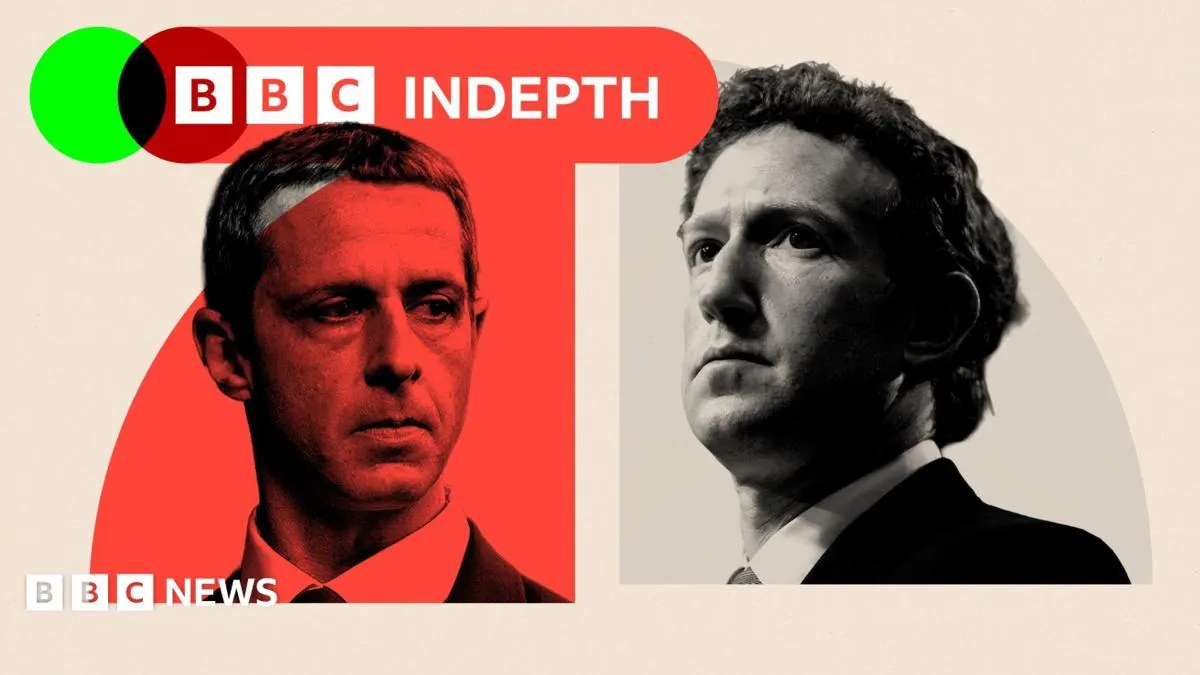
Mark Zuckerberg faces sustained criticism over allegations that Meta’s platforms harm young users, alongside an unfavourable public image and a new film portraying him as a villain. Yet Meta’s business continues to grow: use of its apps is rising and users are adopting its AI assistant, raising doubts about whether controversy will dent the company’s reach.
Meta has faced lawsuits over child safety and product design, including a California jury award of $6m and a New Mexico verdict resulting in a $942m fine; it is appealing both decisions. The company also reportedly agreed to pay $9m to settle a school district case and reached an $18bn settlement with 48 US states, Washington DC and three territories, while denying wrongdoing.
- Meta faces growing legal and reputational pressure over youth safety.
- App use is rising despite negative headlines.
- New AI products are attracting users.
New here? Start with this
Meta is the technology company that owns Facebook, Instagram and WhatsApp, founded by Mark Zuckerberg, who remains its chief executive. It has faced growing criticism that its platforms cause harm to young users through addictive design and negative effects on mental health.
Meta has been sued multiple times over child safety concerns, with courts in California and New Mexico imposing substantial financial penalties that Meta is challenging. The company has also settled cases with a school district for $9m and with 48 US states for $18bn, though it denies wrongdoing.
Despite legal challenges and criticism, Meta's business continues to expand, with rising user numbers and growing adoption of its artificial intelligence assistant. This contrast between public concern about the company's effects and its continued commercial success raises questions about whether such criticism will slow its growth.
Both sides, in good faith
The strongest fair case each way — we don't pick a winner.
The case for
The continued growth in Meta's user base and engagement despite these challenges suggests that the market is functioning appropriately. Users have alternatives available and continue to choose Meta's platforms because they find genuine value in them. The lawsuits and settlements represent the normal legal process, whilst the company's appeals and denials of wrongdoing are standard corporate practice. If the criticisms were truly reflective of users' concerns, we would expect to see market exit, yet growth continues, indicating that public discourse may overstate the actual impact on user behaviour.
The case against
Meta's continued business growth despite substantial legal challenges and settlement costs demonstrates a fundamental failure of accountability mechanisms. When a company faces lawsuits alleging harm to children, settlements totalling billions, and critical scrutiny, yet continues to expand profitably, it suggests that consequences are inadequate to change behaviour. The company's appeals and denials undermine serious allegations, and its growth indicates that reputational and legal risks pose no genuine threat to the business model. Without stronger regulatory intervention, Meta has little incentive to prioritise child safety over engagement-driven profits, as commercial rewards far outweigh penalties.
Read the full article at the source →
Originally published by BBC World as “Mark Zuckerberg has an image problem – so why is Meta’s business booming?”.