Australia delays end to direct credit card payments for tax bills
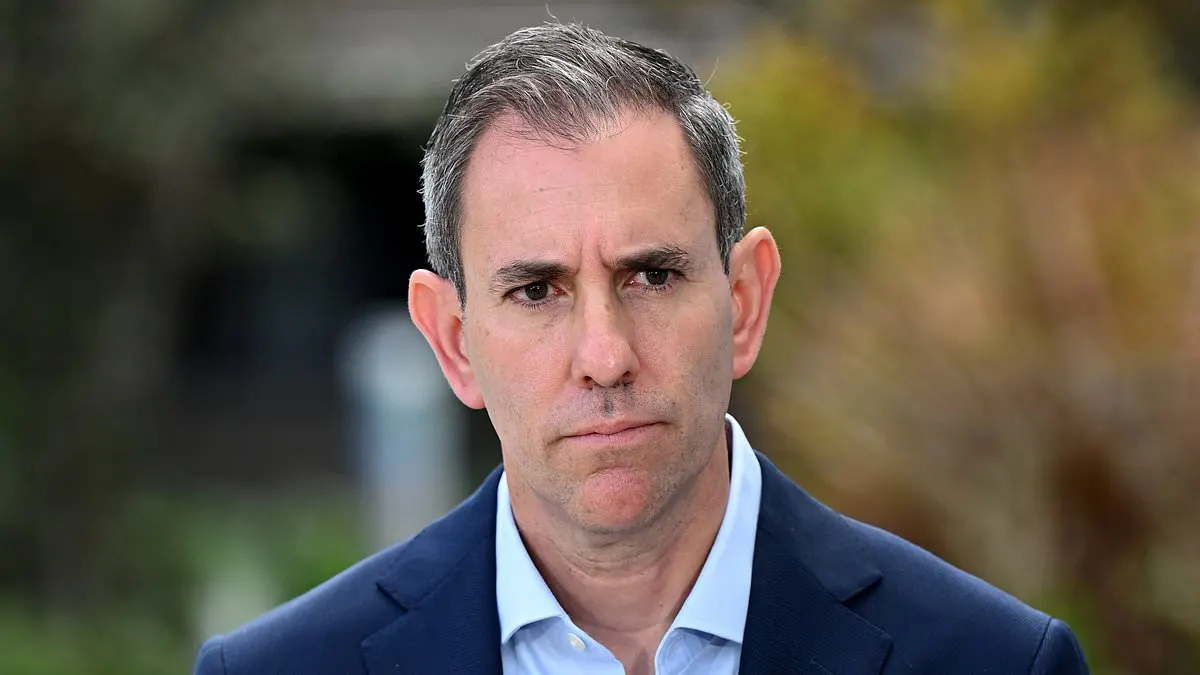
Australia’s government has delayed the ATO’s planned end to credit card payments for tax bills after small businesses objected to the short notice. Treasurer Jim Chalmers said extra funding would give the tax office more time to consult businesses and card companies.
The ban, announced after the Reserve Bank’s surcharge rules changed, is now due to take effect on 30 June 2027. The ATO says card merchant fees could cost it almost A$200 million a year; the funding cost will be set out in December’s mid-year budget update. After the deadline, the ATO will still accept debit cards, bank transfers and credit card payments through third parties. The ATO says five per cent of small businesses used credit cards to pay tax in 2024-25.
- ATO credit card payment ban delayed until June 2027.
- Small business concerns prompted extra government funding.
- Merchant fees could cost the ATO almost A$200 million a year.
New here? Start with this
Australia's tax office has been planning to stop accepting direct credit card payments for tax bills. The decision stems from merchant fees—the charges the tax office pays when accepting credit card payments—which amount to nearly A$200 million annually.
Five per cent of small businesses paid their tax using credit cards in 2024-25. The proposed change prompted objections from small business groups concerned about the short notice and lack of consultation before implementation.
The government has given the tax office additional time and funding to consult with businesses and payment providers, delaying the deadline to 30 June 2027. Other payment methods will remain available after that date, including debit cards, bank transfers and credit card payments through third-party providers.
Both sides, in good faith
The strongest fair case each way — we don't pick a winner.
The case for
The government was right to extend the deadline, as small businesses require reasonable notice to restructure their payment systems and accounting processes. Five per cent of small businesses relied on this method in 2024-25, and forcing rapid change without adequate consultation risks disrupting cash flow management and imposing unexpected costs on struggling enterprises. The delay allows proper stakeholder engagement with both businesses and card companies, ensuring a transition that does not unfairly penalise a portion of the business community.
The case against
The ATO should proceed with ending direct credit card payments to address the taxpayer cost of nearly A$200 million annually in merchant fees. This represents public money being spent to maintain a convenience for businesses that could easily use alternative payment methods—debit cards, bank transfers, or third-party processors—already available to them. Extending the deadline further only increases these costs and delays the inevitable transition, when fiscal responsibility demands the government cease subsidising card company fees that ultimately burden all taxpayers.
Read the full article at the source →
Originally published by Daily Mail as “Jim Chalmers announces credit card payment ban will be delayed as Albanese government is forced to step in after ATO sparked outrage”.