ICE Agent at NYC Shooting Has History of Alleged Violence and Illegal Arrests
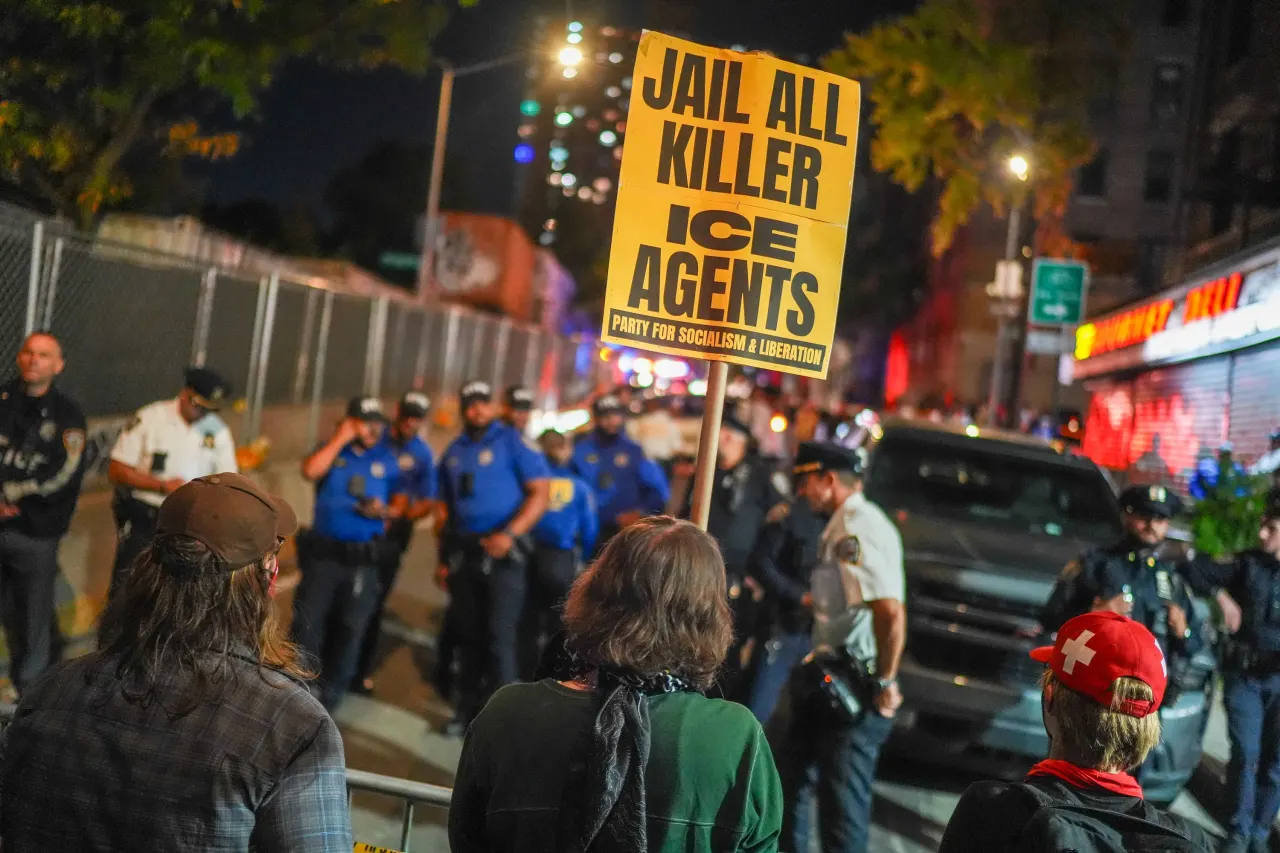
An ICE supervisor identified as Brenden Cuni was the only federal agent seen brandishing a rifle at a Thursday shooting in Manhattan, where agents shot Oscar Belgal while a five-year-old child was in his car. The incident has drawn scrutiny because court records and public material link Cuni to disputed arrests, including cases in which judges found arrests unlawful or questioned his sworn accounts.
Belgal was hospitalised with a reported neck wound, while the child appeared unharmed; witnesses said as many as seven shots were fired. The Department of Homeland Security said agents were trying to arrest an undocumented Dominican national with a prior grand-larceny conviction. Lawsuits allege Cuni used a Taser on people during arrests, including a Bronx man who said he was shocked about six times while handcuffed; other court cases involved a warrant a judge called fraudulent and video evidence that contradicted Cuni’s account.
- Cuni was identified as the armed agent at a Manhattan shooting.
- Belgal was shot; a child in the car appeared unharmed.
- Courts have questioned arrests and accounts involving Cuni.
New here? Start with this
A federal Immigration and Customs Enforcement supervisor shot a man during an arrest attempt in Manhattan on Thursday, with witnesses reporting as many as seven shots fired. The man was hospitalised with a neck wound, whilst a five-year-old child was in his vehicle at the time; the child appeared unharmed.
Agents were attempting to arrest an undocumented Dominican national with a prior grand-larceny conviction, according to the Department of Homeland Security. The ICE supervisor involved, Brenden Cuni, was the only federal agent seen brandishing a rifle during the incident.
Cuni has attracted scrutiny because of his previous arrest work, according to court records and lawsuits. Cases have involved disputed arrests, with allegations of excessive force through multiple Taser incidents, a warrant a judge deemed fraudulent, and video evidence that contradicted his sworn testimony.
Both sides, in good faith
The strongest fair case each way — we don't pick a winner.
The case for
An officer with a documented pattern of disputed arrests, credibility questions from judges, and allegations of excessive force should not be conducting high-risk enforcement operations. The agent's history suggests potential judgment problems that are directly relevant to decisions about proportionality in use of force, particularly when a child was present in the vehicle. Such a record warrants scrutiny of whether this shooting was justified and raises questions about oversight and accountability.
The case against
Law enforcement must be able to conduct arrests of wanted individuals with criminal records, and disputed conduct in separate cases does not establish wrongdoing in this particular incident. Without evidence that the shooting itself was unlawful or disproportionate, evaluating an officer's fitness based on contested allegations from unrelated matters sets a problematic precedent that could impair legitimate police operations. The circumstances precipitating the shooting must be examined on their own merits.