Oil prices fall as Trump pauses Iran attacks, China restarts fuel exports – business live
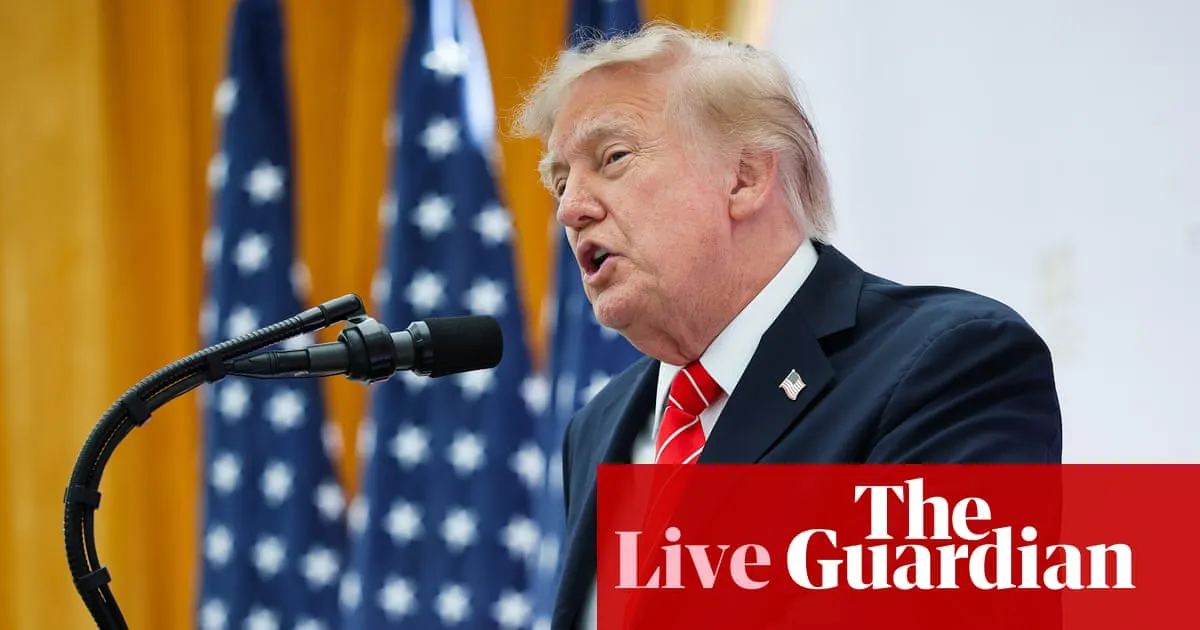
Oil prices fell by around 1% to $103 per barrel following US president Donald Trump's pledge not to attack Iran ahead of the 3 November midterm elections. The decision reflects declining public support for military action in the Middle East, which is beginning to affect Republican election prospects. Only a third of Americans approve of strikes on Iran, whilst Trump's approval rating amongst Republicans fell from 82% to 73% in just one week.
Prices also eased as China resumed fuel exports following its Golden Week holiday, with the additional supply expected to ease tight global availability of diesel, petrol and jet fuel. Democrats are currently polling approximately nine points ahead of Republicans on generic congressional ballot measures, representing the widest margin of the current election cycle. The combination of reduced geopolitical tension and increased fuel supply has contributed to steadier commodity markets.
- Trump pledges not to attack Iran before midterms amid dwindling public support for war.
- Oil prices fall to $103 per barrel; China resumes fuel exports.
- Democrats widen polling lead as Republican support for Trump weakens.
New here? Start with this
Oil prices influence the cost of petrol, heating fuel and airline tickets, making them important to consumers and businesses worldwide. The US and Iran have a long history of tension, and when military conflict seems possible, global oil markets are affected because Iran is a major oil producer.
Developments in US foreign policy towards Iran therefore matter for energy markets, as the risk of conflict tends to push oil prices higher. Meanwhile, China is both the world's largest buyer of oil and a major exporter of refined fuel products like diesel and petrol, so decisions about Chinese fuel exports directly affect global supply and prices.
Both sides, in good faith
The strongest fair case each way — we don't pick a winner.
The case for
This demonstrates principled leadership that respects democratic values. With two-thirds of Americans opposing military strikes, Trump has listened to constituents' deep concerns rooted in experience with costly Middle East interventions. Markets reflect approval of this restraint, and diplomacy offers a more sustainable path to addressing Iran concerns than military action, which carries substantial human and financial costs.
The case against
National security cannot be delegated to opinion polls. Iran's ongoing nuclear programme and regional ambitions constitute genuine, persistent threats requiring unwavering policy. Pausing military options due to election timing projects weakness to adversaries, undermines American deterrence, and wrongly subordinates strategic judgment to political cycles. Security decisions demand insulation from short-term electoral pressures.
Americas Art Asia Business Celebrity Culture Economy Elections Entertainment Government Markets Middle East Politics World