‘It gave me a superpower – question everything’: as punk turns 50, bands from China to Greenland explain how it fires up their lives
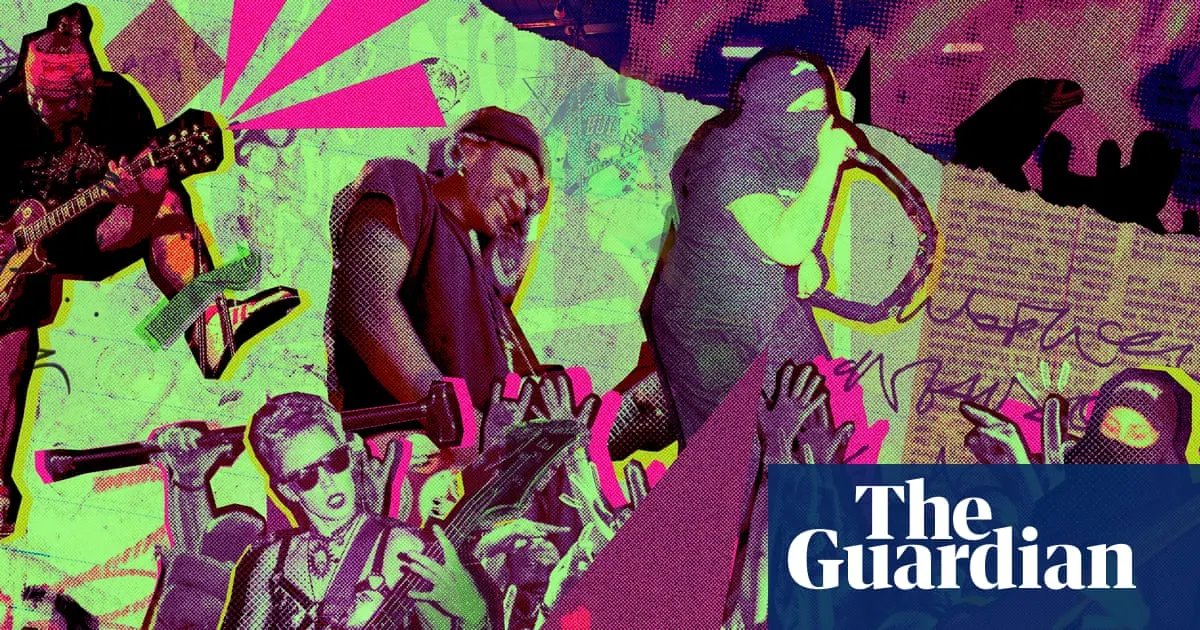
As punk rock marks its 50th anniversary, musicians across the globe continue to harness the genre as a vital form of resistance and self-expression. From a Ukrainian surgeon-turned-musician who played guitars on the frontline during the invasion, to a Moroccan woman who performed anonymously to escape religious persecution, to South African youth fighting systemic inequality, punk remains a powerful outlet for the disaffected and marginalised. The genre's raw energy and uncompromising ethos provide these musicians with both a creative voice and a community of solidarity.
Key examples include Andriy Zholob of Beton, who performed during military service and now uses punk to unite war veterans through live performances. Nao from the band Taqbir fled Morocco due to safety concerns over her punk aesthetic and gender identity, finding freedom through the scene in Spain whilst harbouring dreams of performing in her home country. In Johannesburg, Abdula Skink and Twenty One Children draw on punk's anti-establishment message to address local social issues, with band members documenting experiences of police harassment and working to improve their communities through music.
- Punk remains a vital form of resistance for musicians worldwide, marking its 50th anniversary
- Ukrainian surgeon, Moroccan woman, and South African youth use the genre to overcome oppression
- The genre provides community and solidarity for marginalised people across continents
New here? Start with this
Punk rock emerged in the mid-1970s as a musical genre marked by simple instrumentation and anti-establishment messages. For five decades, it has functioned as a channel for people to express dissent and challenge conventions through music.
Musicians around the world continue to use punk in this way, addressing issues ranging from war to religious persecution to inequality in their respective communities. The genre's direct, unpolished approach allows performers to speak plainly about their concerns and connect with audiences who share similar grievances.
As punk marks 50 years since its emergence, it remains a tool for those seeking to express political and social discontent. The genre's persistence across diverse regions and communities demonstrates its continued relevance to musicians and listeners looking for outlets beyond mainstream culture.