Everton owner The Friedkin Group exploring sale of club after two years
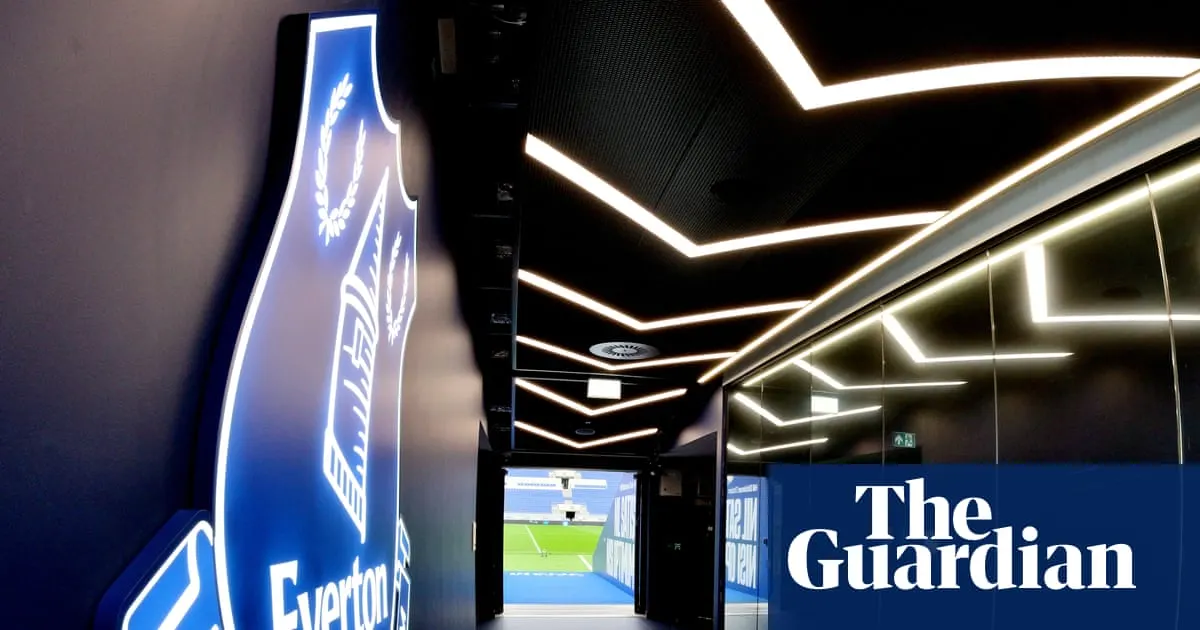
Everton's owner, The Friedkin Group, is exploring a potential sale of a controlling interest in the club less than two years after acquiring it in December 2024. The group stated that having now stabilised the club's finances and overseen completion of a long-promised new stadium, it considers the timing right to examine investment options including a possible sale.
The Friedkin Group took over from Farhad Moshiri following a period of financial instability that had undermined the club's prospects both on and off the pitch. The new owners prioritised providing stability and completing the stadium project, which supporters had long awaited. In their statement, they indicated they would only consider offers from parties they believe will be suitable stewards for the club's future.
- Everton owner Friedkin Group exploring sale after two years of ownership.
- Club stabilised financially and moved to new stadium under their watch.
- Only considering buyers deemed right stewards for future.
New here? Start with this
Everton Football Club is one of England's most historically significant football teams, based in Liverpool. The club's ownership is crucial to its future because the owner controls its finances, investment strategy and major decisions affecting the club's prospects.
The club had endured years of financial difficulty under its previous owner, Farhad Moshiri, which weakened its competitive standing and delayed long-promised infrastructure projects. In December 2024, the club was acquired by The Friedkin Group, a Texas-based investment firm with sports ownership experience, with a mandate to restore financial stability and complete the new stadium.
The Friedkin Group prioritised stabilising the club's finances and finally delivering the new stadium that supporters had long awaited. These were viewed as essential foundational steps to place the club on a sustainable footing and realise its future potential.
Both sides, in good faith
The strongest fair case each way — we don't pick a winner.
The case for
The Friedkin Group has achieved the critical stabilisation that the club desperately needed, completing the stadium project that supporters had awaited for years. Having restored financial security and institutional order after the Moshiri era, they argue the timing is opportune to identify ownership capable of driving sustained sporting success. This pragmatic approach prioritises the club's long-term interests over maintaining control, reflecting responsible stewardship that was the core promise.
The case against
Two years is insufficient time to establish genuine long-term stability or demonstrate sporting success at a major club. Whilst the Friedkin Group has addressed immediate infrastructure and financial concerns, critics would argue that true stewardship requires consistent investment and leadership over many years to rebuild competitive credibility. Supporters may view this rapid exploration of sale as a retreat from genuine commitment, and question whether any incoming owner could provide the continuity and patient investment that sustained recovery actually demands.