World news and discussion on TalkFuse.
Meta blocks TikTok adverts in seven countries after link ban
Developed over time first seen 2 months ago
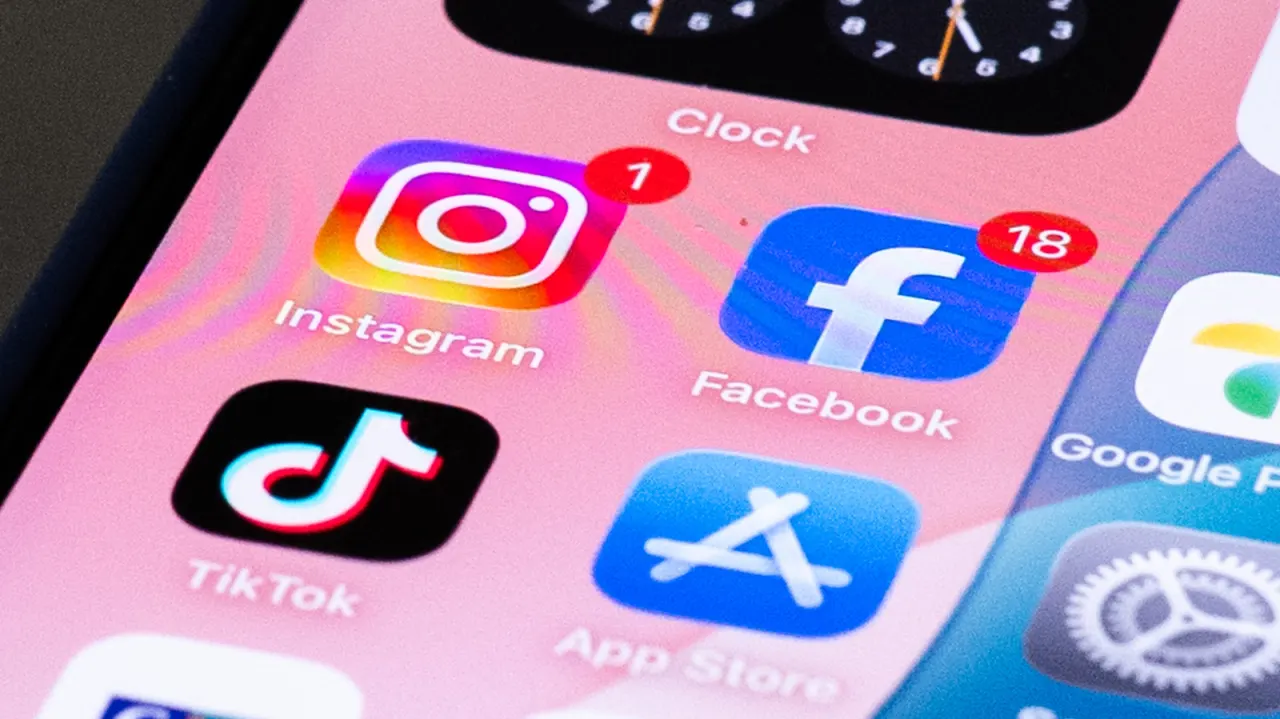
Meta has banned advertising for TikTok and its parent company, ByteDance, in seven countries. The move follows TikTok’s decision to block links to Instagram and Facebook profiles, and comes as Meta presses rivals to strengthen child safety measures.
The ban applies in the US, Canada, Egypt, Indonesia, Japan, Thailand and Vietnam, including third-party campaigns promoting TikTok. Meta says refusing advertising to a competitor is normal business practice. The dispute also comes amid an $18 billion settlement that required Meta to add child safety features to Facebook and Instagram, and European regulators’ warning that TikTok could face a fine of up to 6% of its annual revenue over protections for minors.
- Sources
- 2
- Outlets
- 2
- Left · Centre · Right
- 0 · 0 · 0
In short
- Meta has barred TikTok ads in seven countries.
- The ban also covers third-party TikTok campaigns.
- The move follows a dispute over links and child safety.
How this story developed
- 2 months ago Meta has barred TikTok and ByteDance from advertising across seven countries, escalating tensions after TikTok blocked links to Instagram and Facebook profiles.
- 2 months ago Meta has banned advertisements from TikTok and its parent company ByteDance across multiple countries in a retaliatory move following TikTok's earlier ban of Instagram and Facebook profile links.
- 2 months ago Meta has banned advertising for TikTok and its parent company, ByteDance, in seven countries. The move follows TikTok’s decision to block links to Instagram and Facebook profiles, and comes as Meta presses rivals to strengthen child safety measures.
Full account
Meta has suspended all promotional activities from TikTok and its parent company ByteDance across seven countries, the social media giant announced on Thursday. The restriction encompasses the United States, Canada, Egypt, Indonesia, Japan, Thailand and Vietnam. The suspension extends beyond ByteDance's own marketing to encompass third-party advertisers that direct users towards TikTok or other ByteDance-controlled services within those markets.
The company characterised the action as standard commercial practice, with a Meta representative asserting that declining advertising services to a competitor represents customary industrial conduct. Meta attributed TikTok's primary objective as seeking to draw users away from rival platforms, justifying the ban on those grounds. This escalation follows recent steps by TikTok to restrict users' ability to navigate towards external social networks, including Meta's services, via links embedded in user profiles.
The advertising ban must be contextualised within Meta's substantial $18 billion settlement with American states secured in August, which mandates enhanced protections for teenage users of its platforms. Critically, Meta's settlement includes contingent provisions requiring additional payments should competing platforms including TikTok and YouTube implement equivalent safeguards. Subsequent to this accord, Meta has waged an intensive campaign—including paid newspaper advertisements—urging competitors to embrace matching child protection measures. The company has publicly faulted TikTok for declining participation in government forums addressing excessive screen time and youth welfare.
European authorities have independently raised concerns regarding TikTok's youth protection mechanisms, signalling potential fines that could total up to six percent of the platform's yearly revenue. TikTok, currently controlled by a consortium comprising American and Emirati investors, has issued minimal public commentary regarding Meta's initiatives. Observers have identified a notable disparity in the competitive landscape: whilst TikTok operates unimpeded throughout America, Meta remains unable to conduct operations within China's market.
Where outlets differ
From the full account, which is AI-written from the sources:
Source 1 emphasises European regulatory scrutiny and TikTok's rejection of invitations to government meetings on child safety; Source 2 prioritises the asymmetrical market access dynamic between the firms
Source 2 provides specific detail about TikTok's September alterations to link functionality; Source 1 addresses the situation more generally
The sources diverge regarding emphasis on incentive structures: Source 1 stresses Meta's direct advertising and public criticism campaign, whilst Source 2 foregrounds the settlement's conditional payment mechanism that pressures competitors
Steelman: both sides, in good faith
The strongest fair case each way — we don't pick a winner.
The case for
Meta argues that platforms have legitimate rights to control their advertising spaces, particularly when competitors actively block their links to redirect users. This represents normal competitive practice—companies regularly decline to promote rivals. Additionally, Meta faces genuine regulatory pressure on child safety, and if it believes TikTok provides inferior protections for minors, declining to amplify its reach reflects justified business logic combined with protective principle.
The case against
Meta's position raises concerns about dominance and escalation. Whilst companies control their advertising, Meta's dominance in digital promotion means blocking all competitor ads isn't ordinary practice—it's leveraging asymmetric power. Meta's emphasis on child safety only emerged after TikTok blocked it, suggesting the primary motivation is competitive advantage rather than genuine concern for minors.
Explained simply
Meta owns Facebook and Instagram, two of the world's largest social media platforms. TikTok is a fast-growing rival app that attracts a huge audience, particularly younger users.
The two companies compete fiercely for user attention and advertising money, and tensions between them have increased recently. TikTok has blocked links that previously sent users to Facebook and Instagram. This rivalry highlights the intense competition in social media, where keeping users within one platform rather than directing them elsewhere is crucial to success.
Child safety has become a key issue in this dispute. Both platforms face regulatory pressure from governments to strengthen protections for young users, and the companies have accused each other of not doing enough. Meta has publicly criticised TikTok's approach to child safety, framing their competition not just as a business battle but as a disagreement over how to protect children online.
Coverage · 2 sources
Americas Trending Weird & Viral World
Read the full article at the source →
Originally published by Engadget as “Meta bans TikTok ads from its platforms in tit-for-tat row”.