Martin Freeman to voice Gromit’s thoughts in autobiography audiobook
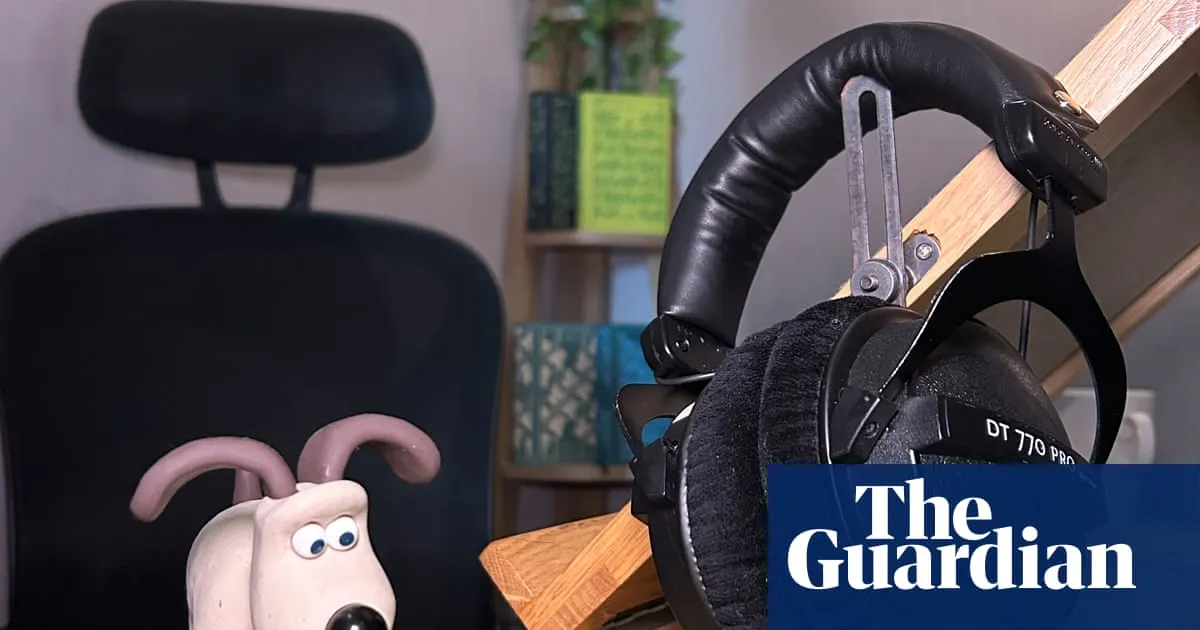
After 37 years as a silent character, Gromit will speak in the audiobook of his autobiography, voiced by Martin Freeman. The choice gives readers a new way to hear the dog’s thoughts while preserving the character’s familiar wit and personality.
Animator Nick Park said Freeman will read Gromit’s inner thoughts rather than perform a distinct Gromit voice. *Grand: The Autobiography of Gromit, as told to Nick Park* is due on 22 October; an immersive Wallace & Gromit experience opens at London’s Lightroom on 14 October.
- Martin Freeman will voice Gromit for the first time.
- The audiobook presents Gromit’s thoughts and witticisms.
- His autobiography is due on 22 October.
New here? Start with this
Gromit is a silent dog character from the Wallace & Gromit animation series, created by animator Nick Park. For the past 37 years, the character has communicated solely through gestures and expressions, becoming one of British television's most beloved silent characters.
A new audiobook will present Gromit's autobiography and, for the first time, feature the character's voice. Actor Martin Freeman will read Gromit's inner thoughts rather than voice the character in a traditional sense, creating an opportunity to explore what the dog thinks whilst maintaining his wordless nature in the original films and television programmes.
The audiobook, titled Grand: The Autobiography of Gromit as told to Nick Park, releases on 22 October. The release coincides with an immersive Wallace & Gromit experience opening at London's Lightroom on 14 October.
Both sides, in good faith
The strongest fair case each way — we don't pick a winner.
The case for
Adding voice to Gromit's inner thoughts represents thoughtful character expansion that deepens audience engagement with a beloved character. Since the narration exists only in the audiobook format and doesn't change Gromit's silence in films or television, this creative evolution complements rather than replaces what audiences cherish. Martin Freeman's approach of narrating thoughts rather than imposing a distinct voice respects the character's origins while offering fans an intimate new perspective on his personality and wit.
The case against
Gromit's greatest strength lies in his eloquent silence, which has allowed audiences to project their own interpretations onto his expressions and actions for nearly four decades. Introducing his voice—even as inner thoughts—fundamentally breaks with the character's defining characteristic and risks transforming a figure whose power comes from restraint into something more conventional. The character works precisely because of its constraints; adding narration, however sensitively done, undermines the distinctive appeal that has sustained Gromit's popularity across generations.
Read the full article at the source →
Originally published by The Guardian as “Gromit finally gets a voice … and it’s Martin Freeman”.