Drought declared in Yorkshire after record-breaking dry weather over spring and summer
Developing story first seen 2 hours ago
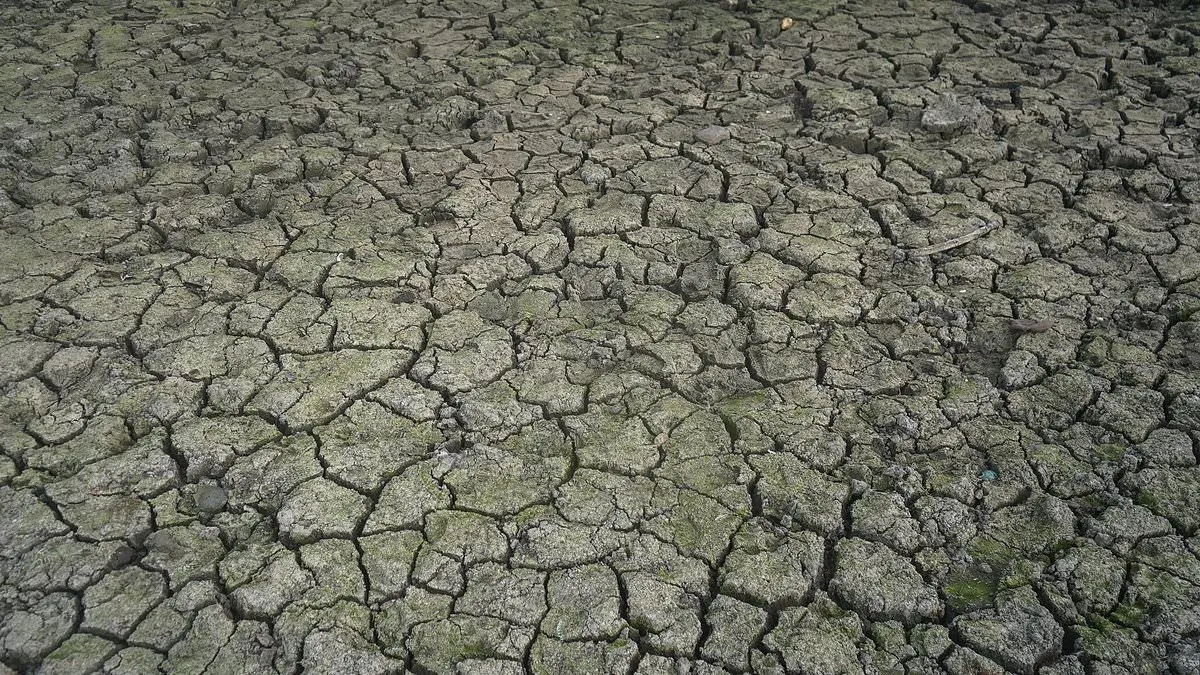
The Environment Agency has upgraded Yorkshire from prolonged dry weather status to drought, citing record-breaking dryness across spring and summer. The declaration shows that recent rain has not eased the strain on water supplies, as rivers and groundwater remain very low in parts of the region.
Yorkshire had its fifth driest April-to-September period on record, and September was unusually dry. Drought status also covers central, southern and eastern England and all of Wales, while the North West and North East remain under prolonged dry weather status. Officials say recovery will take months; research suggests England would need 120 per cent of average rainfall over seven months for all areas to leave drought status.
- Yorkshire has been upgraded to drought status.
- It had its fifth driest April-to-September period on record.
- Officials say recent rain is not enough for a quick recovery.
New here? Start with this
The Environment Agency has officially declared that Yorkshire is experiencing drought following exceptionally dry weather over spring and summer. A drought declaration means water supplies are critically low and restrictions may be needed to manage the shortage. This is a serious escalation from the "prolonged dry weather" status the region had been under since late July.
Yorkshire experienced its fifth driest April to September period on record, with river levels and groundwater supplies falling to dangerous lows in some areas. The country's driest July in nearly 200 years of recorded weather has compounded the problem, with insufficient rainfall continuing into autumn. This combination of factors is rare and severe enough to warrant official drought status.
Droughts affect the water available for homes, farms and industry, and can harm plant and animal life. The Environment Agency has warned that recovery will take months even if significant rain falls soon, because the ground and water systems need time to refill. Drought declarations across multiple regions of Britain show how serious and widespread this dry period has become.
Full account
The Environment Agency has formally declared drought conditions in Yorkshire in response to exceptionally arid weather persisting through spring and summer. The region was elevated from 'prolonged dry weather' classification to full drought status on Friday, following insufficient rainfall entering the autumn season.
Official records indicate Yorkshire has experienced its fifth-driest April-to-September period in measured history. Insufficient precipitation throughout the warm months has produced significantly diminished river flows and groundwater reserves across considerable areas. Reservoir levels currently sit marginally above 40 per cent capacity—substantially below seasonal norms and notably inferior to corresponding measurements from twelve months earlier, when water use restrictions had been mandated. The eastern portion of Yorkshire proved particularly vulnerable, with some monitoring locations recording September precipitation at less than one-fifth of expected volumes.
Despite the formal drought classification, Yorkshire Water has signalled that water use restrictions for customers are not presently contemplated. Utility officials attributed this position to seasonal factors, emphasising that typical winter characteristics—reduced consumption and elevated rainfall—render immediate intervention unnecessary. The drought designation nevertheless provides regulatory mechanisms permitting tighter management of available supplies should conditions further deteriorate.
Yorkshire becomes the latest jurisdiction added to an expanding list of drought-affected regions, joining southern, central and eastern England alongside Wales. Three substantial drought episodes have materialised over the past five years, indicating an escalating pattern. Recovery will demand prolonged effort; water industry specialists have indicated that restoring supplies to normal operating levels would necessitate precipitation substantially exceeding typical patterns for an extended period.
Where outlets differ
Source 2 explicitly emphasises that no water restrictions are presently planned despite drought declaration, whilst Source 1 references existing hosepipe bans without clarifying their continuation or imminent removal
Source 1 prioritises climate change context and future weather projections, whereas Source 2 concentrates on current management decisions and precise water availability statistics
Source 2 provides specific capacity percentages and identifies East Yorkshire's particular severity with exact rainfall deficit figures, whilst Source 1 provides broader national drought context
Source 1 includes comparative examples such as the 62-day dry period in Surrey, whilst Source 2 maintains regional Yorkshire focus