TUC says bank tax relief has cost UK £6bn
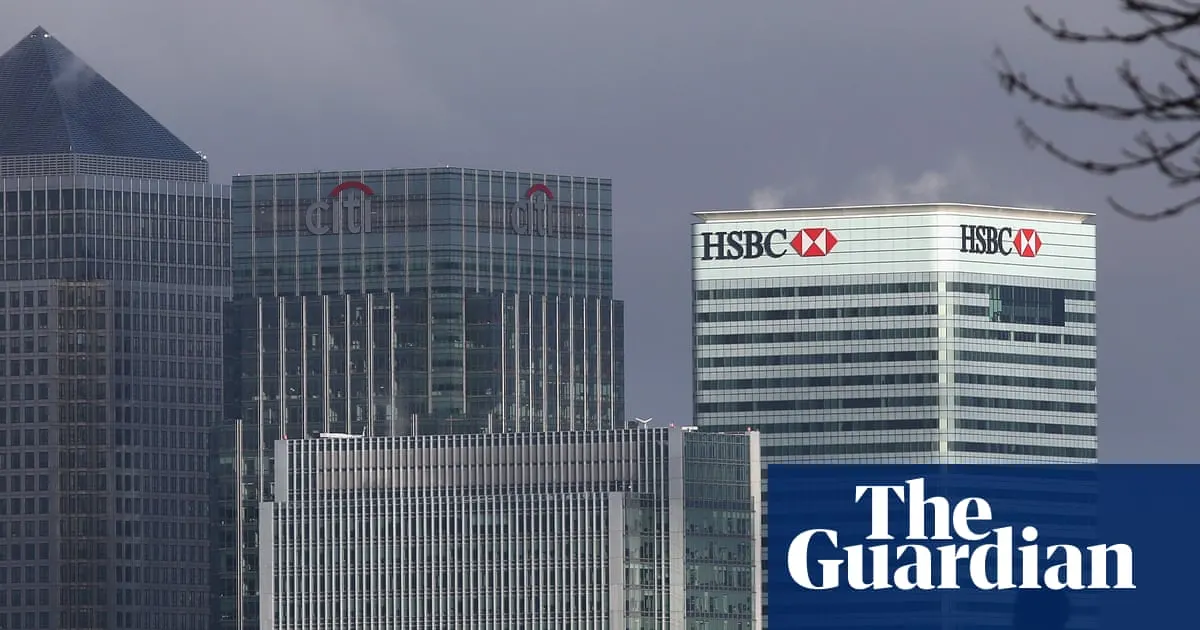
The TUC says tax cuts for major banks have cost the UK public purse £6bn, and is urging Chancellor John Healey to raise the bank surcharge in the 28 October budget. The dispute centres on whether banks should contribute more amid record profits and household cost pressures, while banking leaders warn higher taxes could damage investment and jobs.
Rishi Sunak’s government cut the surcharge on banks’ profits from 8% to 3% in 2023, alongside a rise in corporation tax from 19% to 25%. The TUC estimates the surcharge cut reduced revenue by £2.3bn in 2023-24, £1.7bn in 2024-25 and £2bn in 2025-26; it says a 16% surcharge could raise £24bn over four years, while 35% could bring in £60bn. The UK’s four largest lenders have made £200bn in pre-tax profits over five years.
- The TUC says bank tax cuts cost the public purse £6bn.
- It wants the bank surcharge raised in the October budget.
- Banks warn higher levies could put investment and jobs at risk.
New here? Start with this
The bank surcharge is a tax on the profits of the UK's largest banks. In 2023, the government reduced this tax from 8% to 3% whilst raising corporation tax from 19% to 25%. The TUC, which represents workers and trade unions, argues this cut has been costly to public finances.
The TUC claims the surcharge reduction has cost the government £6bn across three years and wants the tax raised again in the October budget. The union calculates that a 16% rate could generate £24bn over four years. Bank leaders oppose higher taxes, warning they could discourage investment in the UK and reduce employment.
This reflects competing concerns about public finances and the competitiveness of the banking sector. The dispute centres on how much tax banks should contribute whilst facing pressure on household budgets and public spending elsewhere in the economy.
Both sides, in good faith
The strongest fair case each way — we don't pick a winner.
The case for
The TUC's position centres on fairness and opportunity cost. Banks achieved £200bn in pre-tax profits over five years, yet received a tax cut in 2023 that cost the public purse an estimated £6bn whilst households struggled with costs. If the previous 8% surcharge was economically sustainable and globally competitive, returning to or exceeding it would represent modest redistribution from an exceptionally profitable sector towards strained public services.
The case against
Banking leaders argue that financial services remain genuinely global and competitive, with taxation levels influencing investment and employment decisions. Whilst profits are substantial, they reflect real economic value creation, and targeted sectoral tax increases risk distorting capital flows and encouraging relocation to lower-tax jurisdictions. The existing arrangement—higher corporation tax alongside a moderate banking surcharge—already increases the sector's overall contribution whilst maintaining the international competitiveness essential to preserving the financial centre's role in employment and tax revenue.
Business Elections Government Politics Software Technology UK World
Read the full article at the source →
Originally published by The Guardian as “Tory tax break for banks has cost UK public purse £6bn, says TUC”.