Ethiopia says Eritrean forces entered Tigray, vows to respond
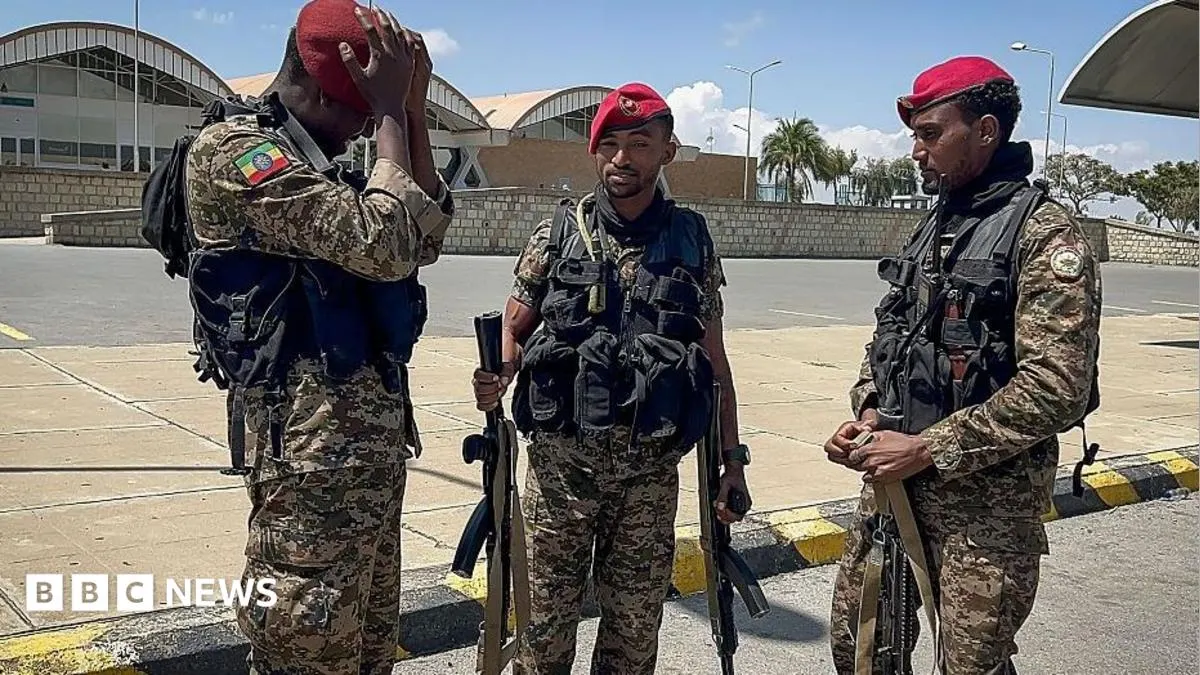
Ethiopia has accused Eritrea of launching an "all-out invasion" of its northern Tigray region and conducted military drone strikes in response, whilst Eritrea denies the allegations and accuses Ethiopia of aggression. This escalation could expand the conflict beyond recent fighting between Ethiopia's government and the Tigray People's Liberation Front (TPLF), potentially triggering a wider regional war.
Ethiopian Foreign Minister Gedion Timothewos claimed Eritrean forces advanced up to 60 kilometres into Tigray, prompting Ethiopian drone strikes on Eritrean troops and ammunition in the town of Adigrat on Wednesday and Thursday. The escalation follows the re-eruption of fighting between the government and TPLF two weeks ago, which violated a 2022 ceasefire that had ended a two-year civil war, and comes as relations between Ethiopia and Eritrea have deteriorated over Ethiopia's ambitions to control Eritrean Red Sea ports, leading to the severing of diplomatic ties last week.
- Ethiopia accuses Eritrea of invading Tigray; vows military response
- Eritrean troops advanced 60km into region; Ethiopia conducted drone strikes
- Latest escalation threatens to widen conflict beyond ongoing civil strife
New here? Start with this
Tigray is a region in northern Ethiopia that experienced armed conflict. From 2020 to 2022, it was the site of a civil war between Ethiopia's federal government and the Tigray People's Liberation Front (TPLF), a local armed group. A ceasefire reached in late 2022 ended that conflict, but fighting has recently resumed.
Eritrea is an independent nation that borders Ethiopia to the north and east. The two countries have had tensions for many years, and relations have worsened in recent times over disputes involving ports and maritime access. Eritrea's role in Ethiopian affairs has long been contested.
The potential involvement of Eritrea in the current Tigray conflict would mark a major shift, as it could transform what has been mainly an internal Ethiopian conflict into a wider regional confrontation. This could have significant consequences for stability and international interests across the Horn of Africa region.
Both sides, in good faith
The strongest fair case each way — we don't pick a winner.
The case for
Ethiopia faces a legitimate security threat to its territorial integrity and stability. Eritrea has historical grievances with Ethiopia and strategic incentives to exploit the country's vulnerability during renewed internal conflict with the TPLF. An external military intervention during civil war represents a serious escalation that endangers regional peace and Ethiopian civilians, justifying defensive military action to protect sovereignty.
The case against
Eritrea denies the invasion allegations and points to Ethiopia's recent aggressive posture as the genuine provocation, particularly its territorial ambitions toward Eritrean Red Sea ports, which represent vital economic interests. Ethiopia may be manufacturing or exaggerating the crisis to consolidate domestic power and distract from its renewed civil conflict. Without independent verification, the invasion claims deserve scrutiny, and Eritrea's security concerns about Ethiopian expansionism are defensible.
Read the full article at the source →
Originally published by BBC World as “Ethiopia warns Eritrea it will defend itself after troops cross border”.