EU and China agree preliminary plan to cut hybrid car imports by half
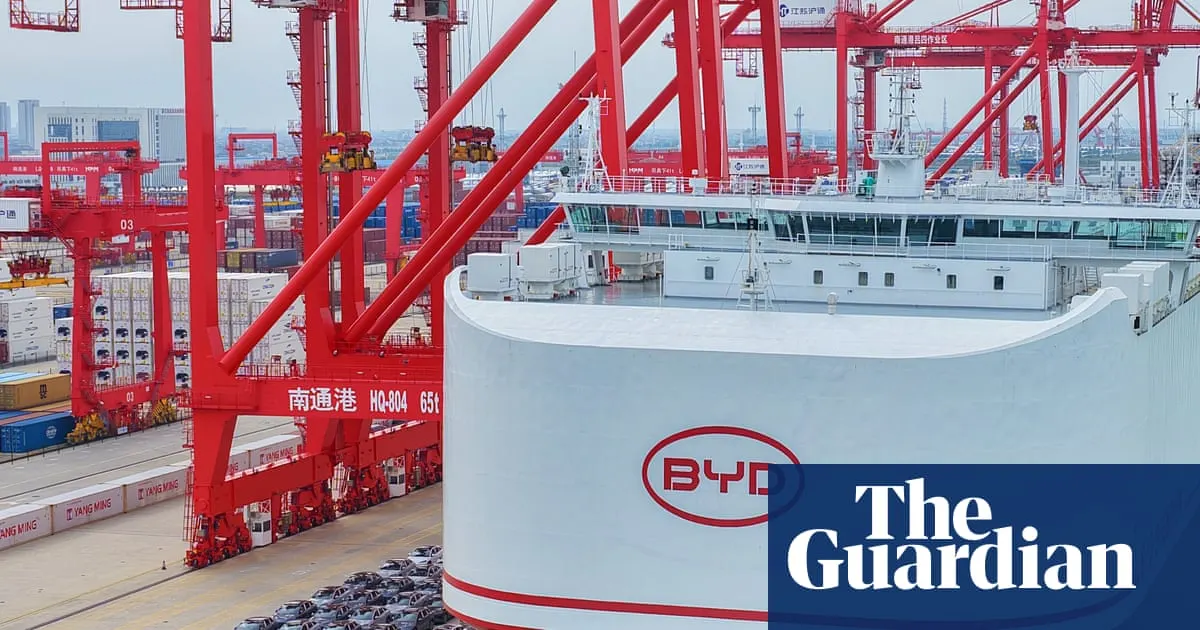
The EU and China have reached a preliminary agreement intended to cut Chinese hybrid car exports to the bloc by more than half over four years. The deal matters because rising imports have intensified concerns about pressure on European carmakers and jobs, while offering a negotiated route to ease trade tensions.
The agreement is part of a 16-point package, and China indicated that minimum prices for hybrid cars could be one way to curb sales. The sides will also continue talks on cars, rare earth export restrictions and EU food and drink access to China. EU trade commissioner Maroš Šefčovič called the agreement a first step, with Brussels citing a €1.18bn daily trade deficit and potential reductions of several million vehicles.
- China and the EU agreed to curb hybrid car exports.
- Shipments could fall by more than half over four years.
- The deal is an initial step in broader trade talks.
New here? Start with this
Chinese hybrid cars have been arriving in Europe in growing volumes in recent years, creating concerns that European carmakers and their workers could face pressure from cheaper competition. The European Union has also grown increasingly troubled by its trade relationship with China more broadly, with tensions building over various issues.
The EU and China have now reached a preliminary agreement intended to reduce Chinese hybrid car imports significantly. Under the tentative deal, Chinese hybrid car exports to Europe would be cut by more than half within four years, with methods such as minimum vehicle prices used to restrict sales.
This agreement is presented as a first step towards easing tensions between the two sides. They intend to continue talks on other disputes, including European food and drink access to China and China's restrictions on exporting rare earths—materials essential to manufacturing modern technologies.
Both sides, in good faith
The strongest fair case each way — we don't pick a winner.
The case for
This agreement protects European workers and industries from being overwhelmed by cheaper Chinese competition. European carmakers invest heavily in research and development, employ hundreds of thousands, and pay good wages—a managed transition allows these companies and their workforces to adapt without catastrophic disruption. Uncontrolled imports would destroy jobs across manufacturing and related sectors; negotiated reduction preserves employment whilst European firms develop competitive hybrid and electric technologies.
The case against
Trade restrictions ultimately harm consumers by raising prices and limiting choice of more affordable vehicles. European carmakers must compete through innovation rather than import barriers; protecting less competitive producers delays necessary adaptation to new technologies and markets. A rules-based global trading system benefits everyone through specialisation and efficiency; reciprocal protectionism invites retaliation and damages the cooperation needed on climate change and other shared global challenges.
Art Asia Business Culture Economy Europe World
Read the full article at the source →
Originally published by The Guardian as “China agrees to ‘halve’ hybrid car exports to EU in landmark deal”.