Glasgow gangland enforcer Paul Ferris dies aged 62 after short illness
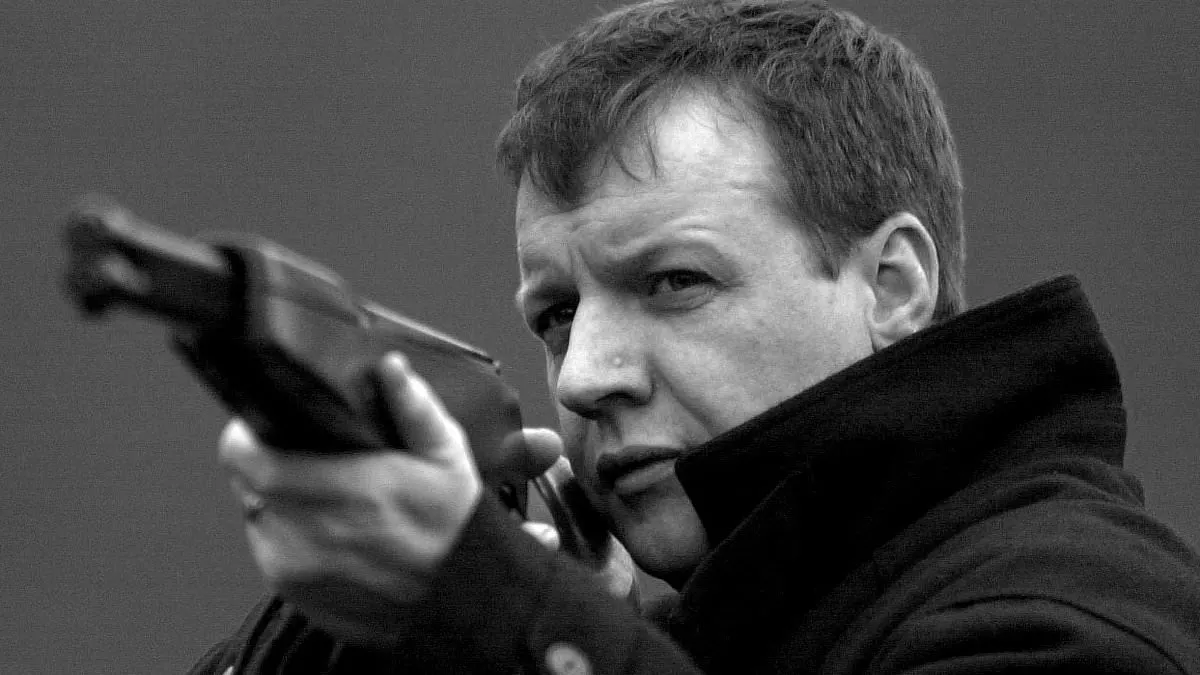
Paul Ferris, a notorious Glasgow gangland enforcer who later presented himself as a reformed man and became a best-selling author, has died aged 62. His death has renewed debate over how to remember him: some see a story of rehabilitation, while people harmed by his crimes may regard him chiefly as a brutal enforcer.
Ferris died after a short illness at Glasgow’s Queen Elizabeth University Hospital on Tuesday night. He served time for gun-running and was cleared of the 1991 murder of Arthur Thompson Jr after a lengthy, costly trial; his 2001 memoir later inspired the film *The Wee Man*. The article says he was in talks about a film sequel as he faced a £700,000 tax debt, and notes that he acknowledged editing his account of his past.
- Glasgow enforcer Paul Ferris has died aged 62.
- His criminal past and later reinvention remain contested.
- His memoir inspired a film; he faced a £700,000 tax debt.
New here? Start with this
Paul Ferris was a prominent figure in Glasgow's criminal underworld, known for violent enforcement activities and serious crimes. He served prison sentences for gun-running and was tried for a high-profile 1991 murder, though he was later acquitted.
In his later years, Ferris reinvented himself as an author and published a bestselling memoir that was made into a film. This apparent transformation prompted discussion about whether he represented a genuine case of rehabilitation from his criminal past.
His death has renewed debate about how to view people with both violent criminal histories and subsequent claims of reform. Some point to his later work as evidence of change, whilst others harmed by his crimes may regard him primarily through the harm he caused.
Both sides, in good faith
The strongest fair case each way — we don't pick a winner.
The case for
Ferris's life demonstrated that people can change fundamentally. He emerged from a violent criminal world, spent years in prison, and then devoted himself to authorship and public engagement with his past. His bestselling memoir and the films it inspired suggest genuine cultural contribution, and his willingness to discuss his background publicly indicates a form of accountability and transformation that extends well beyond his criminal past.
The case against
Whilst Ferris authored books, his decades as a brutal gangland enforcer caused genuine harm to real people. His admission to editing his accounts raises questions about whether his reformation was sincere or commercially motivated. Those affected by his violence may reasonably resist celebrating his legacy as redemptive—rehabilitation does not erase the suffering he inflicted, and remembering him primarily as a violent criminal honours the impact on his actual victims rather than the narrative he subsequently crafted.
Read the full article at the source →
Originally published by Daily Mail as “Life and crimes of the Wee Man. He recast himself as a reformed hard man… but Paul Ferris could never escape his blood-soaked gangland past”.