Scottish Green MSP Q Manivannan granted three-year visa extension
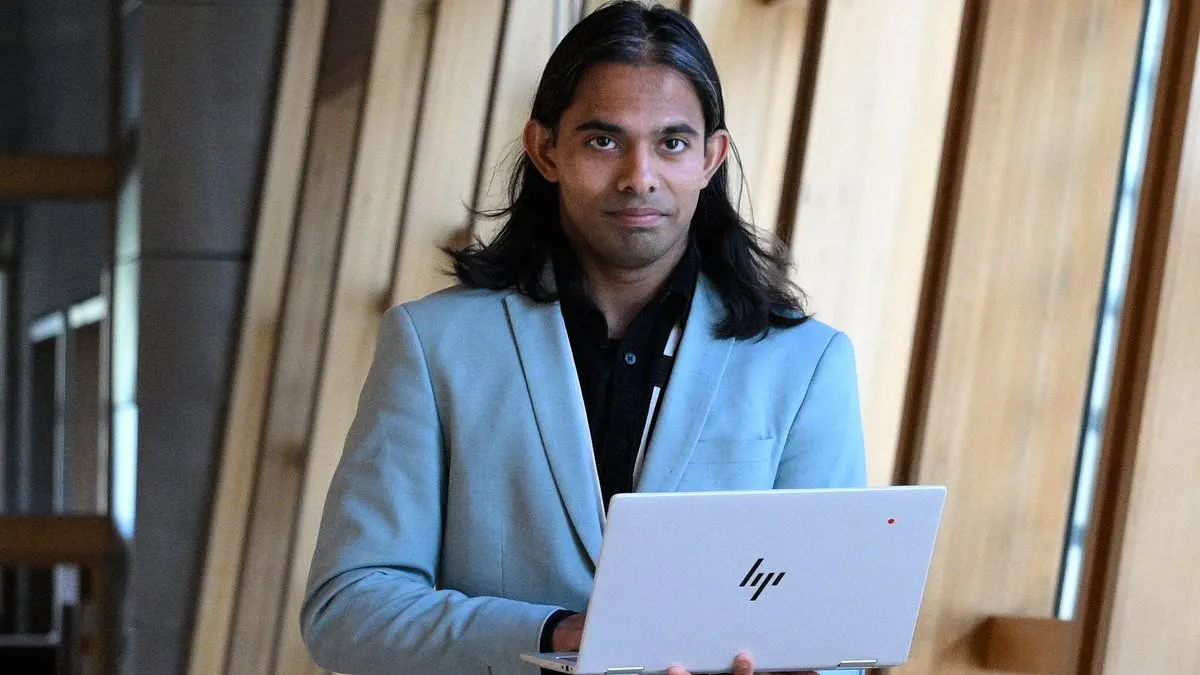
Q Manivannan, the controversial Indian transgender activist who became a Scottish Green MSP in May without standing for election, has been granted a new visa by the Home Office. His three-year graduate visa upgrade is being seen as a temporary reprieve in an ongoing controversy over whether foreign nationals without permanent residency should be allowed to serve as legislators. However, the extension still leaves him unable to guarantee he will complete the full five-year parliamentary term, continuing to fuel debate about electoral law.
The 30-year-old, now earning £77,711 as an MSP, had been serving on a temporary student visa following his move to Scotland in 2021 to study for a PhD in international relations. He was placed third on the Scottish Greens' list of top-up candidates under proportional representation rules, despite being rejected by voters in an Edinburgh council ward election last year. Opposition figures including Scottish Conservative Stephen Kerr have criticised the arrangement as an "electoral con", arguing that the three-year visa still fails to resolve the fundamental problem that voters have no certainty of his remaining in office for the duration of Parliament.
- Green MSP granted three-year visa but can't guarantee he'll serve full parliamentary term.
- Controversy continues over whether foreign nationals without permanent residency should be legislators.
- Placed on party list despite being rejected by voters in local election.
New here? Start with this
Q Manivannan is a 30-year-old Indian transgender activist who became a Scottish Green Member of the Scottish Parliament in May 2026. He entered parliament through his party's list of additional candidates under proportional representation rules, meaning he was elected without standing in a direct constituency election.
Mr Manivannan moved to Scotland in 2021 to pursue a PhD and has lived in the country on temporary student visas rather than with permanent residency. His visa status became controversial because it raised questions about whether someone without guaranteed long-term presence in the UK should be serving as an elected legislator.
The situation has sparked debate about electoral rules and parliamentary stability. Critics argue that voters cannot be certain a legislator will remain in office for the full five-year parliamentary term if his right to stay depends on visa renewals, and have questioned whether current electoral law adequately addresses this issue.
Both sides, in good faith
The strongest fair case each way — we don't pick a winner.
The case for
Supporters argue that Manivannan's selection through proportional representation followed legitimate party procedures, and that electoral law lawfully permits non-citizens to serve as MSPs. The three-year visa extension provides substantial security for most of the parliamentary term, and further extensions or permanent residency may follow. They contend his qualifications and commitment to Scotland matter more than visa status, which is administrative rather than a democratic principle.
The case against
Critics argue voters deserve certainty their elected representatives will serve the full five-year term, which a temporary visa cannot guarantee. He was rejected by voters in a direct election, then placed on the party list regardless, and even the extended visa leaves two years of uncertainty. They maintain electoral law should require representatives to have permanent availability for their mandates.
Read the full article at the source →
Originally published by Daily Mail as “Controversial Green MSP Q Manivannan gets to stay… for now”.