Mystery over Texas Democrat James Talarico’s nearly two-week campaign hiatus as his opponents demand ‘proof of life’ and he cancels events
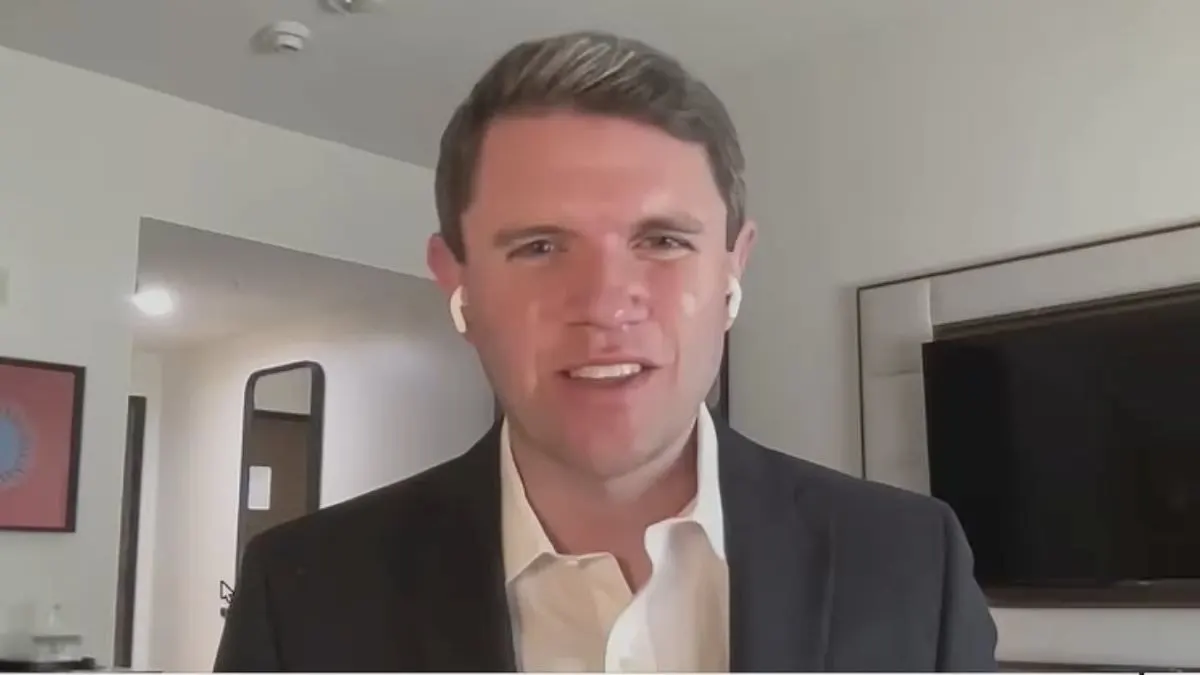
Texas Senate candidate James Talarico has been away from in-person campaigning for nearly two weeks, prompting questions from supporters and attacks from his Republican opponent, Ken Paxton. Talarico’s campaign says he had the flu, but the cancellations come during a closely watched race in which he could help Democrats win statewide in Texas for the first time in nearly 30 years.
The campaign says Talarico’s last in-person event was on 29 September; the next day, he joined a Hispanic voters’ event by video and said he had been diagnosed with flu. Events cancelled included an October 5 gathering with Black voters in Austin, which reportedly left the organising group $25,000 out of pocket. Paxton and national Republicans have demanded evidence that Talarico is well, while his campaign has said he would return that weekend without specifying when or where.
- James Talarico has missed nearly two weeks of in-person campaigning.
- His campaign says he was diagnosed with flu in September.
- Cancellations included an Austin event that cost organisers $25,000.
New here? Start with this
James Talarico is a Democratic candidate running for the Texas Senate. For nearly two weeks, he has been absent from in-person campaign events, instead joining some events remotely or cancelling them entirely. His last appearance at a campaign event in person was on 29 September.
Talarico's race is significant because Texas has not elected a Democrat to statewide office in nearly 30 years, making this contest closely watched by both parties. A Democratic victory would represent a major breakthrough for the party in a large conservative state. As a result, his extended absence from active campaigning during a crucial phase of the race has drawn scrutiny.
Talarico's campaign attributes his absence to a flu diagnosis. However, his Republican opponent Ken Paxton and other national Republicans have questioned the explanation and demanded evidence of his wellbeing. The cancellations have also had practical consequences: one cancelled event in Austin reportedly left the organising group £25,000 out of pocket.
Both sides, in good faith
The strongest fair case each way — we don't pick a winner.
The case for
Influenza is a serious illness that legitimately requires substantial recovery time, and a candidate prioritising health during a contagious illness is responsible rather than negligent. The campaign did communicate his condition through a video appearance; beyond that, demanding medical proof or "proof of life" intrudes inappropriately into personal health privacy and represents political theatre rather than legitimate accountability. Recovery timelines vary considerably among individuals, and pushing a candidate back into public events before readiness would be unwise.
The case against
During a pivotal moment in a competitive statewide race where Democrats have a genuine opportunity for breakthrough success, a two-week absence with vague communication about return timing falls short of the transparency voters deserve. The cancellation that left organisers $25,000 out of pocket suggests inadequate planning or communication with campaign partners. Reasonable questions about a candidate's availability and campaign management during a crucial election phase are not equivalent to invasive medical demands—they reflect legitimate concerns about professional competence at a moment when every day matters strategically.
Americas Elections Government Paranormal Politics Weird & Viral World