Northern Ireland Secretary Sir Chris Bryant to ban Drumcree parade after weeks-long stand-off
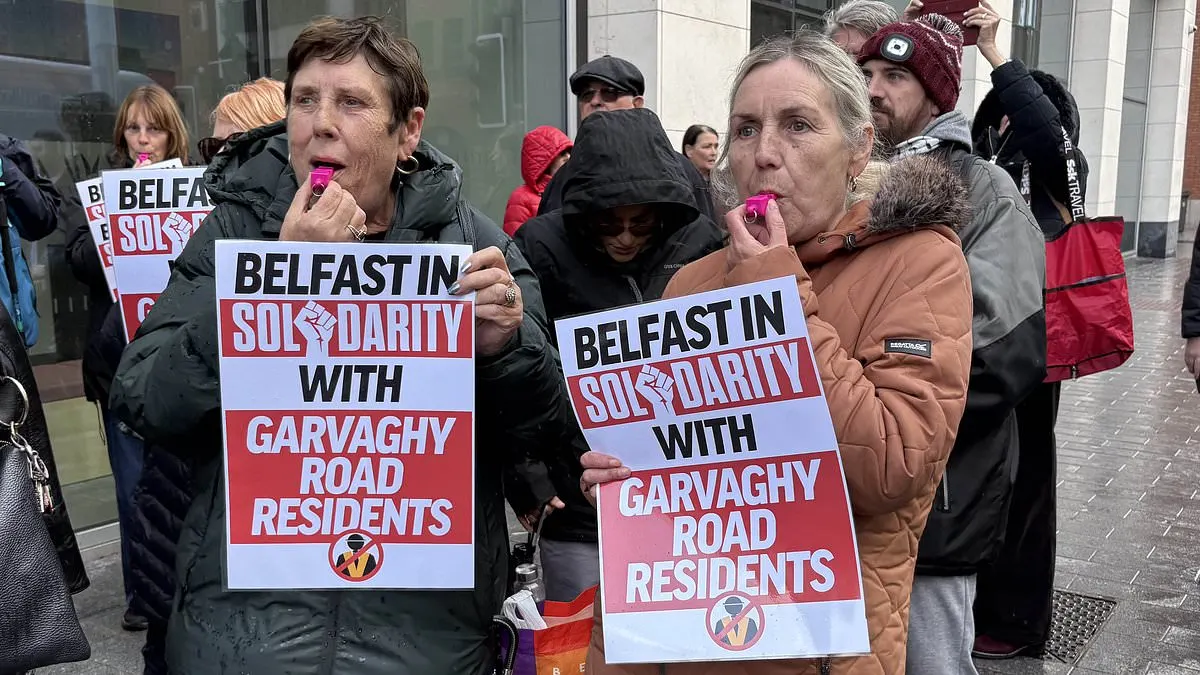
Northern Ireland Secretary Sir Chris Bryant has banned the contentious Drumcree parade following two weeks of deadlock between the Orange Order and residents of the Garvaghy Road in Portadown. Negotiations to reach an agreement failed, prompting the chief constable of the PSNI to ask Bryant to review the Parades Commission's earlier decision allowing the march. Bryant concluded it was not in the public interest to proceed, citing the difficult situation on the ground.
The parade route through the predominantly Catholic Garvaghy Road has been barred to the Orange Order since 1998. A fortnight ago, the Parades Commission overturned this, ruling the march could proceed with restrictions, but approximately 1,000 protesters blocked it on 27 September. First Minister Michelle O'Neill is being investigated by police over alleged breaches of the decision, while DUP leader Gavin Robinson has criticised the ban as undermining the framework for parades and the rule of law.
- Secretary bans parade after two-week standoff over march route
- Route barred since 1998; protesters blocked parade on September 27
- DUP criticises decision as undermining rule of law
New here? Start with this
The Drumcree parade is an annual Orange Order march through Portadown in County Armagh. The Orange Order is a fraternal organisation rooted in Protestant and unionist communities that organises various cultural events and commemorations. The dispute arises because the traditional route passes through the Garvaghy Road, a predominantly Catholic residential area where local residents have opposed the march for many years.
The Drumcree dispute is one of Northern Ireland's longest-running and most emotive community conflicts. Since 1998, the parade route has been restricted following a decision aimed at preventing violence and managing tension between communities. For many unionists, the right to parade and march is a matter of cultural identity and tradition, whilst for residents of the Garvaghy Road, the march represents an unwanted assertion of dominance in their own neighbourhood.
Such parade disputes raise fundamental questions about managing competing rights in a divided society. The Parades Commission, an independent regulatory body, has the responsibility of determining which marches can proceed and under what conditions. These decisions require balancing cultural freedoms with community safety and respect, making parade regulation one of Northern Ireland's most persistent governance challenges.
Both sides, in good faith
The strongest fair case each way — we don't pick a winner.
The case for
Public safety must be the paramount consideration when thousands of citizens signal their intent to obstruct a march, and the Northern Ireland Secretary is right to prioritise preventing likely disorder and potential violence. The residents of Garvaghy Road have established their home in this community and deserve to feel secure there; banning a parade through their neighbourhood that has been rerouted for 28 years with minimal disruption respects their rights and dignity. Additionally, allowing the march to proceed after illegal blockading would signal that obstruction and confrontation can overturn legal permissions, creating a perverse incentive structure that undermines public order.
The case against
The ban represents a concerning erosion of the rule of law when a legal decision made through proper process is overturned based on protest and blockading. The Parades Commission, the established authority for such decisions, ruled the march could proceed with restrictions; yielding to illegal obstruction rather than enforcing against it suggests the framework cannot be trusted, which is more corrosive to long-term peace and institutional legitimacy than any single disputed parade. The Orange Order's right to march—however controversial—is a fundamental democratic freedom, and the appropriate response to illegal blockading should be enforcement action against those obstructing, not removal of the marchers' legal right.