Ebola case crossed three countries before diagnosis in Nairobi hospital
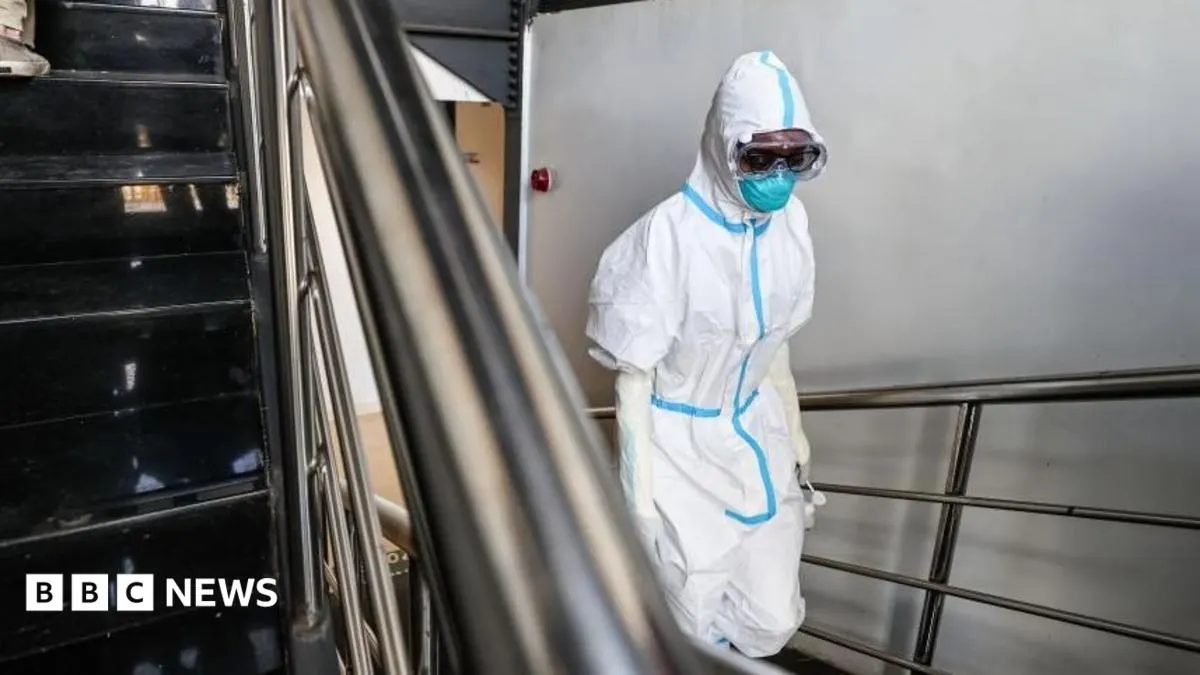
A Kenyan businessman travelled across the Democratic Republic of Congo and then into Uganda and Kenya while infected with Ebola, but the disease was not identified until he was seriously ill in a Nairobi hospital. He died on 5 October, and the route he took has raised questions about how the infection escaped detection at medical facilities and airport health screenings.
Africa CDC reconstructed his movements over nearly six weeks. He developed symptoms around 15 September, received treatment in Bondo and spent more than 10 days seeking care in Kisangani before travelling to Beni and the border town of Kasindi; he crossed into Uganda on 1 October. His infection source is unknown, and the article says more than 4,000 people have died in DR Congo’s outbreak this year. Nearly 70 potential contacts have been quarantined in Nairobi.
- Kenya’s first confirmed Ebola case was detected only after the patient reached Nairobi.
- The businessman travelled through DR Congo and Uganda while unwell.
- Nearly 70 potential contacts are under quarantine in Nairobi.
New here? Start with this
Ebola is a rare but severe and often fatal disease that spreads through direct contact with blood or body fluids of infected people or animals. The Democratic Republic of Congo has been experiencing a major outbreak this year, with more than 4,000 deaths recorded.
A Kenyan businessman contracted Ebola but was not diagnosed until he arrived at a hospital in Nairobi. He had travelled across the Democratic Republic of Congo, Uganda and Kenya whilst infectious, visiting multiple health facilities along the way without the infection being identified.
The case has raised concerns about disease detection capabilities at medical facilities and border checkpoints across the region. International health authorities have been working to trace nearly 70 people who had potential contact, highlighting the risks posed when contagious diseases cross borders undetected.
Both sides, in good faith
The strongest fair case each way — we don't pick a winner.
The case for
The failure to detect Ebola across three countries indicates serious gaps in health screening procedures and border security protocols that must be addressed urgently. These countries require strengthening of diagnostic capacity, staff training, and cross-border coordination to ensure similar gaps don't permit future outbreaks to spread unchecked. This case demonstrates the critical importance of investing in robust health infrastructure and responsive protocols.
The case against
Whilst the case highlights concerning gaps, it occurred within an active outbreak that has killed over 4,000 in DRC, where healthcare workers face overwhelming demand with severely limited resources. The man's journey across borders and facilities occurred within these extreme circumstances, and attributing the gap primarily to systemic failure risks overlooking the context of resource scarcity. International response should prioritise providing direct support and resources, recognising that genuine improvement requires partnership and collaborative investment rather than criticism.
Read the full article at the source →
Originally published by BBC World as “Questions remain over Ebola patient who travelled across three nations undetected”.