Flydubai attacker began a ‘drift towards extremism and terrorism’ in Australia, UAE says
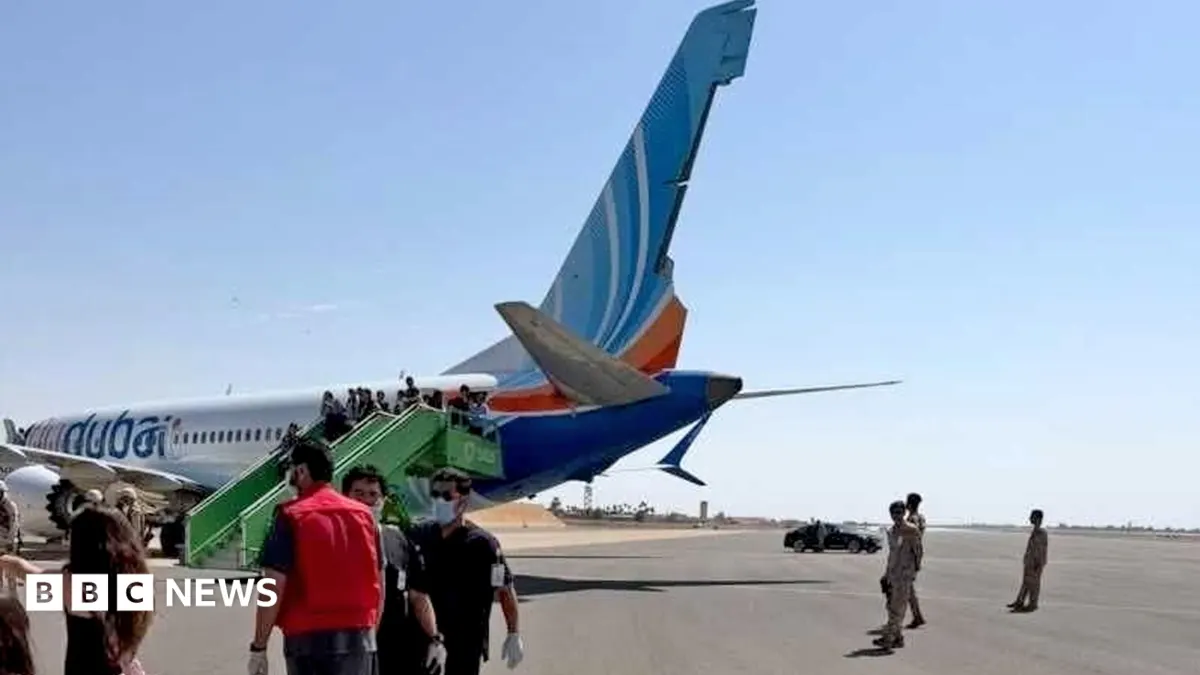
An Omani co-pilot allegedly attempted to hijack a Flydubai flight from Dubai to Tel Aviv on 30 September, stabbing the Indian captain with an emergency crash axe before being overpowered by crew and passengers. The incident raises urgent questions about aviation security, particularly how the co-pilot was hired by Flydubai despite being previously flagged for extremist concerns and barred from flying by his former employer, Oman Air.
According to UAE investigators, 29-year-old Hamam al-Hammami began showing signs of radicalisation in 2017 whilst studying engineering at Melbourne's RMIT University, where he was exposed to extremist ideology and online content glorifying terrorism. He allegedly intended to crash the aircraft into Tel Aviv airport as a "suicide attack" inspired by al-Qaeda and the 11 September attacks. Flydubai hired him after standard security checks that did not examine his background for potential radicalisation, and he flew the plane with over 170 passengers and crew aboard when the incident occurred.
- Co-pilot stabbed captain with crash axe on 30 September flight to Tel Aviv
- Crew and passengers overpowered him; plane diverted safely to Saudi Arabia with 170 aboard
- Radicalisation reportedly began during studies in Australia, but Flydubai missed security warning signs
New here? Start with this
On 30 September, a Flydubai aircraft travelling from Dubai to Tel Aviv experienced a security incident involving its co-pilot. The flight was carrying more than 170 passengers and crew at the time and landed safely.
The co-pilot was Hamam al-Hammami, a 29-year-old Omani national. He had previously worked for Oman Air, his country's national airline, which had barred him from flying due to concerns about his views and behaviour.
According to investigators in the UAE, al-Hammami began showing signs of radicalisation around 2017 whilst studying engineering at RMIT University in Melbourne, Australia. He was exposed to extremist ideology and online content promoting terrorism during this period. The incident has raised questions about airline hiring practices, as Flydubai hired him without conducting a thorough background check, despite warnings from his previous employer.
Both sides, in good faith
The strongest fair case each way — we don't pick a winner.
The case for
This incident exposes a critical failure in aviation security. Flydubai hired an individual previously flagged for extremist concerns and barred by another airline, allowing him access to the flight deck with over 170 passengers aboard. Enhanced information-sharing between airlines and authorities, more rigorous background vetting, and systematic improvements are essential to prevent radicalized individuals from reaching sensitive aviation positions.
The case against
Whilst better information-sharing between airlines is important, we should resist expanding security measures beyond what is proportionate. More invasive screening, psychological vetting, or ideological assessments risk unintended consequences and potential discrimination. Radicalization is complex and difficult to prevent perfectly, even with enhanced procedures. We should balance modest security improvements with addressing root causes and maintain fair systems without creating unnecessary surveillance or burden on aviation workers.