In 1983, The Police “beat the crap out of each other” on the way to an album that sold 40,000,000
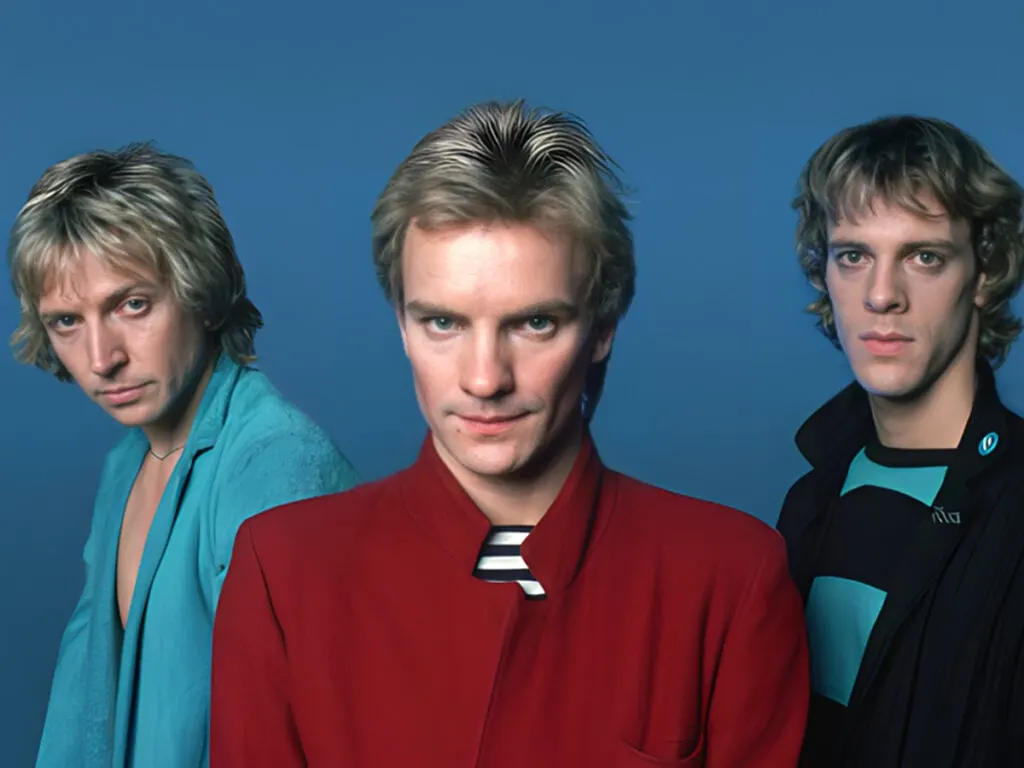
The Police recorded their 1983 album "Synchronicity" under severe internal conflict that threatened to destroy the band. Band members Sting, Andy Summers, and Stewart Copeland clashed violently, struggled with substance abuse, and described the recording sessions as "very dark." Despite these destructive circumstances, they produced one of the most commercially successful albums in music history, selling 40 million copies. However, the very success that proved their talent intact became so overwhelming that it ultimately led to their breakup.
The band later recalled "we beat the crap out of each other" during recording, and Copeland noted that substance abuse made everyone "turn into a fool." Sting admitted in 2007 that achieving his long-desired success did not bring happiness, describing his time in The Police as fundamentally unhappy. Synchronicity became a transatlantic number one, won Grammy awards, and remains one of the best-selling guitar albums ever made. The album's paradox is that it stands as a testament to their musical excellence despite being created under toxic conditions that tore the band apart.
- The Police experienced extreme conflict and substance abuse while recording Synchronicity in 1983.
- The album sold 40 million copies and became a best-selling guitar record.
- The success ultimately led to the band's breakup.
New here? Start with this
The Police were a British-American rock band consisting of Sting, Andy Summers, and Stewart Copeland who achieved massive international success in the early 1980s. Their 1983 album Synchronicity became one of the best-selling albums of all time, ultimately shifting 40 million copies worldwide and topping charts globally.
What sets Synchronicity apart is the deeply troubled circumstances under which it was created. The three band members clashed severely during recording sessions, with Copeland later describing how substance abuse problems caused tensions to spiral, whilst Sting admitted years later that the band's working environment was fundamentally unhappy. Despite these destructive conditions, they produced an album of such quality that it won Grammy awards and became one of the best-selling guitar albums ever made.
The album's success created a paradox that would define The Police's legacy. Despite achieving unprecedented commercial success and critical acclaim, the overwhelming nature of that success ultimately contributed to the band's breakup. Sting later reflected that his long-desired success did not bring happiness, highlighting the contradiction at the heart of Synchronicity's story.
Both sides, in good faith
The strongest fair case each way — we don't pick a winner.
The case for
The artistic excellence and cultural impact of Synchronicity demonstrates that human creativity can transcend personal suffering and conflict. The album's enduring legacy, critical acclaim, and commercial success represent a genuine achievement of lasting cultural value that testifies to the power of artistic dedication. The fact that three talented musicians managed to produce something so significant despite their personal turmoil suggests that the creative act itself, and the lasting work it produced, held genuine meaning.
The case against
The band members themselves testified that the process made them deeply unhappy, and the album's extraordinary commercial success did not prevent the group's dissolution or resolve their suffering. Rather than celebrating artistic output created under toxic conditions, we should question creative cultures that demand personal suffering, substance abuse, and conflict as the price of achievement. The cautionary lesson is that sustainable, healthy artistic environments should be the standard we value and pursue, not the romanticisation of destructive working conditions that ultimately harm the very artists we wish to celebrate.