5 Sci-Fi Books That Are Better Than Their Movie Adaptations
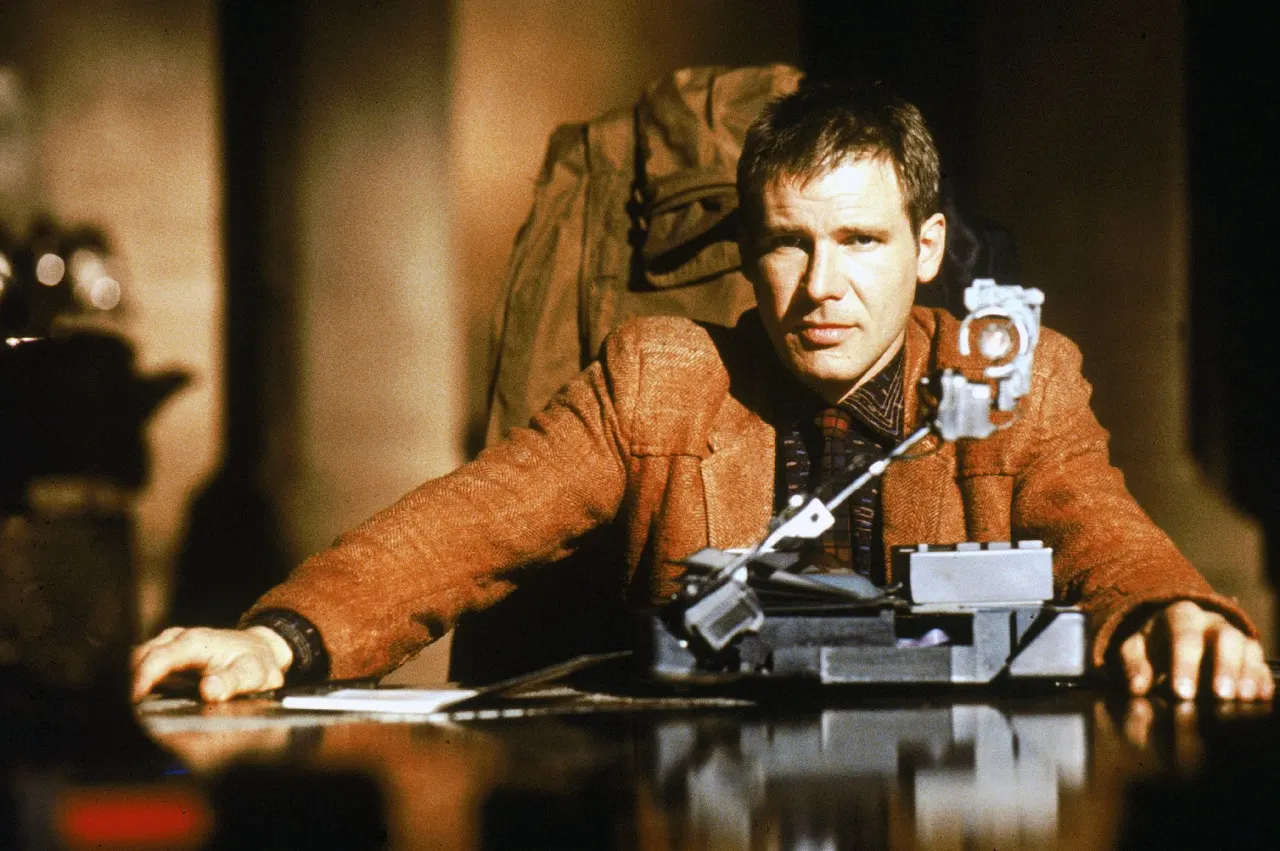
Science fiction novels often surpass their film adaptations by retaining philosophical complexity and intricate world-building.
– Philip K. Dick's "Do Androids Dream of Electric Sheep?" explores themes of shared empathy and humanity through elements like Mercerism (a religion centred on collective suffering) and mood organs, whereas Blade Runner focuses primarily on the protagonist's relationship with replicants – Jeff VanderMeer's "Annihilation" sustains haunting cosmic horror through unknowable mystery and surreal events, including the Crawler (a sentient fungal entity), whilst the film's Shimmer concept provides visual clarity that reduces the novel's psychological dread – Isaac Asimov's "I, Robot" collection provides deeper conceptual material than the 2004 film adaptation, which relies on surface-level elements
- Sci-fi books explore philosophical depth that cinema must streamline
- Novels retain complex world-building and thematic richness
- Adaptations often prioritise visual spectacle over intellectual substance
New here? Start with this
Science fiction novels have frequently been adapted into films, and a common discussion examines whether the original books are better than their screen versions. This reflects a broader question about how stories work differently across mediums. Understanding this debate requires recognising that books and films have distinct strengths and limitations.
When novels become films, complex narratives and philosophical ideas must fit within cinema's constraints: a limited runtime, the need to show rather than tell, and the practical difficulties in depicting abstract concepts visually. Science fiction novels often develop rich intellectual themes and intricate fictional worlds across many pages, creating layers of meaning that a film might struggle to fully capture. A filmmaker must make challenging choices about what to keep, what to cut, and how to represent complex ideas on screen.
This matters because it reveals what each medium can and cannot do effectively. A novel can sustain ambiguity, introduce ideas gradually, and rely on readers' imagination to fill in details, whilst films must communicate their story clearly through image and dialogue within a fixed duration. What works powerfully as prose might lose its impact on screen, and a visually brilliant adaptation might simplify the intellectual richness of the source material.
Both sides, in good faith
The strongest fair case each way — we don't pick a winner.
The case for
Books retain philosophical and psychological complexity that film necessarily cannot fully convey within its medium constraints. Literary narratives can explore interior thought, sustain ambiguity and cosmic horror, and develop intricate conceptual frameworks through prose in ways that cinema's visual clarity paradoxically flattens. When novels weave multiple layers of meaning about consciousness, empathy, and existential mystery, compressing these elements into two hours of film inevitably diminishes their impact and the reader's capacity for sustained psychological engagement.
The case against
Film adaptations represent a translation to a different artistic medium rather than a failed replication of source material. Cinema possesses its own sophisticated tools—cinematography, performance, directorial vision, and musical score—that can capture and sometimes enhance the emotional and thematic core of a story. Whilst films may simplify conceptual frameworks, they achieve compensatory depth through visual metaphor and emotional immediacy that prose cannot match. A film's success should be judged on its own artistic merit rather than by fidelity to the book; both versions coexist to enrich audiences in different ways.