London man who altered images of women and children with AI was repeatedly bailed despite pleas
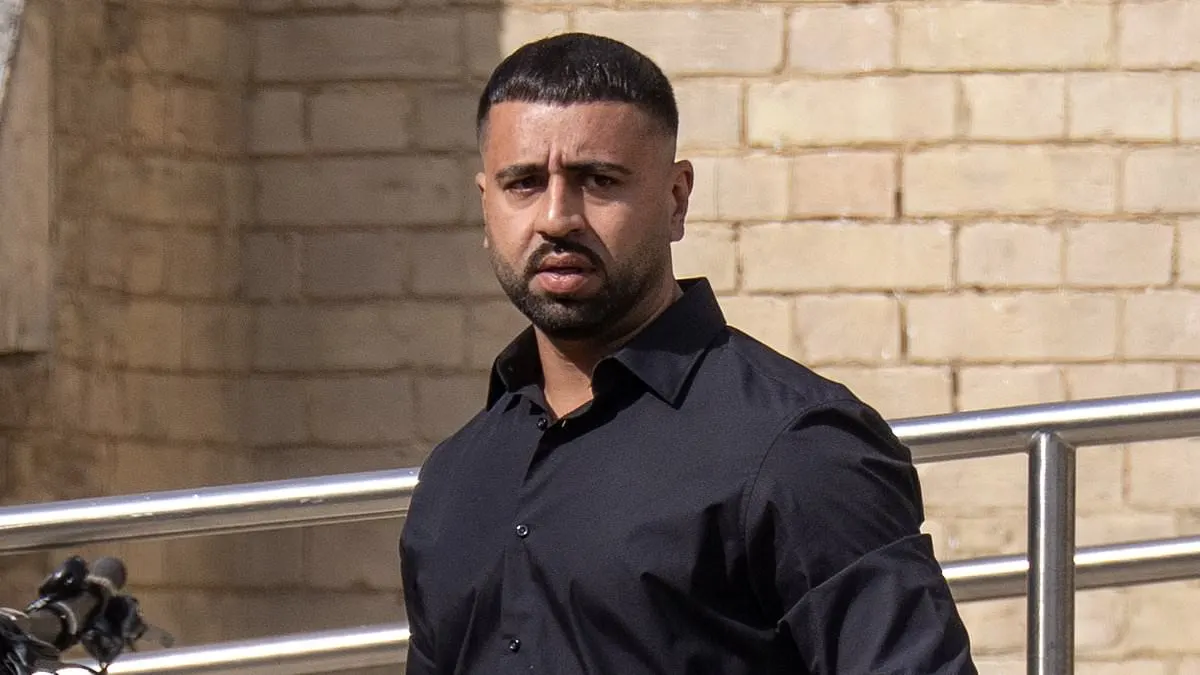
Zafer Dogan, a 32-year-old man, was jailed for two years and four months after taking more than 5,000 images of women and girls without consent, many from his Enfield flat overlooking a children's playground. He then used AI technology to alter images of 33 adult women and two children aged seven and 13 to create sexualised content. Despite repeated pleas from victims' families, prosecutors and police, judges allowed him bail multiple times rather than remanding him in custody.
Court transcripts reveal that judges said the legal threshold for remand required proof that Dogan might abscond, commit further offences or interfere with witnesses, which they determined had not been established. However, prosecutors had assessed Dogan as posing a 'high risk', and one child victim lived so close to his bail address that they had to change schools and be rehoused. Judge Barbara Mensah acknowledged having 'every sympathy' with the victims but stated she could not overrule previous judges' decisions based solely on victims' distress and fear.
- Paedophile bailed multiple times despite victims' pleas for custody.
- Judges cited legal bars to remand despite assessed high risk.
- One child victim had to change schools due to proximity.
New here? Start with this
Artificial intelligence can be used to digitally manipulate photographs in ways that look realistic. A 32-year-old London man used this technology to create sexualised fake images of 33 adult women and two girls aged seven and 13, after taking thousands of photographs of them without their consent, often from his flat overlooking a children's playground.
The man was eventually jailed for two years and four months, but judges repeatedly granted him bail before trial, despite pleas from victims' families and prosecutors. Under British law, judges can only hold someone in custody before trial if they are satisfied they would likely abscond, commit further crimes or interfere with witnesses, conditions judges determined had not been met. As a result, one victim had to move house and change her child's school because she lived near his bail address.
The case highlights tensions between protecting crime victims and the legal rules that govern bail decisions. It also raises questions about how courts should handle cases involving non-consensual intimate images created with artificial intelligence, which has become an increasingly common problem.
Both sides, in good faith
The strongest fair case each way — we don't pick a winner.
The case for
Advocates for stricter bail standards argue that when prosecutors assess someone as high-risk, victims face documented danger such as forced school changes and relocation, and multiple professional bodies request remand, judges should prioritise victim safety over narrow procedural thresholds. The current legal framework appears to leave women and children unacceptably vulnerable when facing demonstrably dangerous offenders.
The case against
Those defending the judges' adherence to established law argue that remand standards protect against arbitrary detention. Without proven flight risk, concrete evidence of further crimes, or witness tampering, judges cannot detain someone based solely on risk assessment or victims' fear, however understandable. The rule of law requires consistent application of criteria rather than subjective judgment, even when outcomes prove tragic.
Read the full article at the source →
Originally published by Daily Mail as “Revealed: How judges ignored victims’ pleas by allowing paedophile who snapped women and girls and used AI to ‘nudify’ them back to flats where he’d committed his offences against them”.